2026 Best Anti Glare Glass Features You Should Know?
In today's digital age, glare from screens can be a significant distraction. The importance of Anti-Glare Glass has grown immensely. This glass minimizes reflections, allowing for clearer visibility. It is essential in various settings, from offices to homes.
Many people experience eye strain from prolonged screen use. Anti-Glare Glass can help reduce this fatigue. By choosing the right features, users can enhance their experience. Notably, coatings and textures significantly influence glare reduction.
As we explore the best features of Anti-Glare Glass in 2026, it's crucial to acknowledge different needs. What works for one individual may not suit another. Understanding these nuances can help find the perfect match for your requirements. With the right information, you can make an informed decision about your Anti-Glare Glass needs.
Key Features of Anti-Glare Glass for Different Uses
Anti-glare glass is engineered to reduce reflections and enhance visibility. This type of glass is especially useful in various settings, such as offices, homes, and vehicles. According to a report by the American Glass Association, anti-glare coatings can reduce glare by up to 95%, improving visual comfort. This is crucial for people who spend long hours in front of screens or in brightly lit environments.
There are several key features to consider when selecting anti-glare glass. First, the coating type varies. Some glasses have a matte finish, while others use specialized films. The clarity of the glass also affects how well it minimizes glare. High-quality anti-glare glass maintains clarity while limiting reflections. It’s important to assess the specific needs, whether for home entertainment or workspace setups.
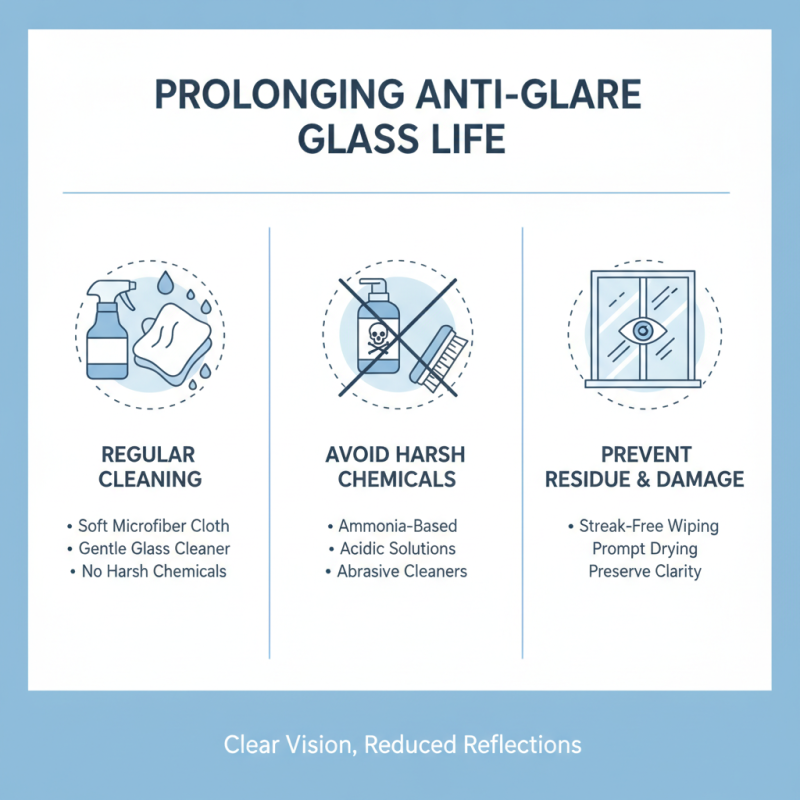
Tips: Ensure the glass fits your intended use. For example, in high-traffic areas, consider the durability of the coating. Regular cleaning methods should also be compatible with the anti-glare surface. Remember, not all products perform equally; research and testing can help ensure you select the right option for your needs. It’s valuable to reflect on your specific environment and the impact it has on your glass choice.
2026 Best Anti Glare Glass Features You Should Know?
| Feature |
Description |
Best Uses |
| Anti-Reflective Coating |
Reduces reflections from ambient light for clearer visibility. |
Monitors, glasses, and devices. |
| Scratch Resistance |
Protects the glass surface from scratches and abrasions. |
Mobile devices, eyewear. |
| UV Protection |
Blocks harmful ultraviolet rays from reaching the eyes. |
Sunglasses and protective eyewear. |
| Anti-Fogging |
Prevents fogging in humid or sudden temperature changes. |
Safety goggles, sports eyewear. |
| Blue Light Filtering |
Reduces blue light exposure, decreasing eye strain. |
Computer glasses, gaming screens. |
| Lightweight Design |
Offers comfort for extended wear without compromising durability. |
Eyewear, protective gear. |
Understanding the Technology Behind Anti-Glare Glass
Anti-glare glass technology plays a crucial role in enhancing visual comfort. It reduces the intensity of reflected light. The primary method used in anti-glare glass is a specialized coating. This coating diffuses light, preventing harsh reflections that can cause eye strain.
Understanding the intricacies of this technology reveals its importance in daily life. For instance, it can significantly improve outdoor visibility. Many people struggle with glare from sunlight on screens. Anti-glare glass helps alleviate this issue. Yet, it is not flawless. Some users report a slight loss in image clarity, particularly in darker settings. This trade-off requires consideration.
Another aspect involves the materials used for manufacturing. Different coatings offer varied levels of performance. Finding the balance between glare reduction and optical clarity is essential. Users should test options before committing to a choice. Research shows that informed decisions lead to better outcomes. Thus, exploring anti-glare glass remains a valuable endeavor for anyone seeking comfort and clarity in their visual experiences.
2026 Best Anti Glare Glass Features You Should Know
This chart illustrates key features of anti-glare glass, highlighting their contribution to user experience through metrics like light reflection reduction, visual comfort improvement, durability level, scratch resistance, and UV protection.
Benefits of Using Anti-Glare Glass in Everyday Life
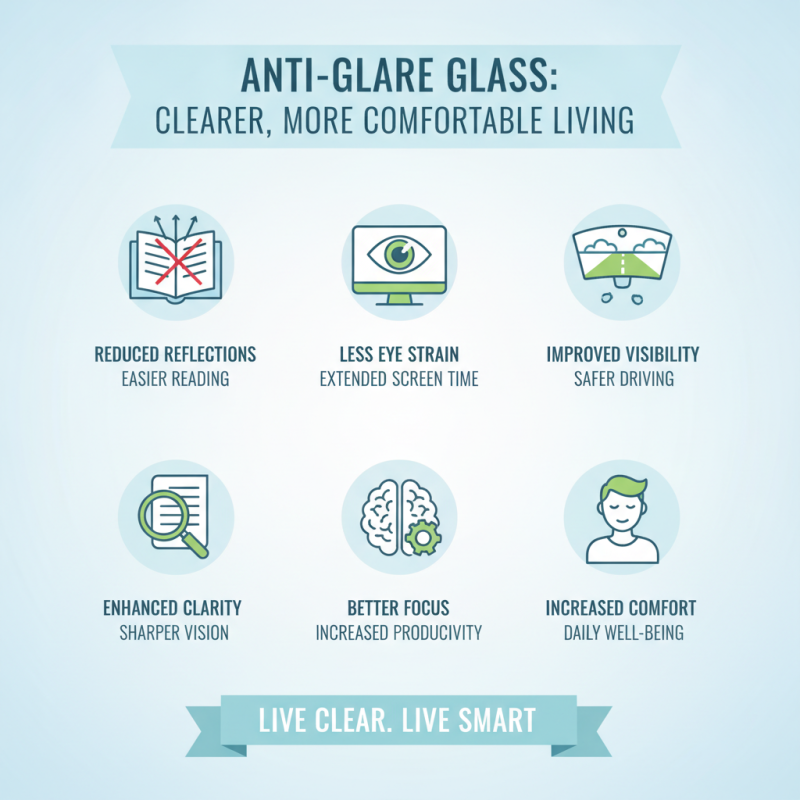
Anti-glare glass offers significant benefits for everyday life. It minimizes reflections from light sources, making tasks easier. Whether you’re reading, working, or driving, anti-glare glass improves clarity. This type of glass reduces eye strain, especially when using screens for long periods. As a result, many people find they can focus better and for longer times.
Using anti-glare glass can also enhance aesthetics. In homes and offices, it provides a sleek appearance. Large windows with this glass allow natural light without glare. This creates a comfortable atmosphere and can improve mood. However, it’s essential to ensure proper maintenance. Some coatings may wear over time and require occasional refurbishment.
Not all anti-glare solutions are the same. Some may not fully eliminate reflections in bright conditions. Users should test different types to find what works best for them. Personal experience plays a key role. Ultimately, embracing anti-glare glass can lead to a more enjoyable visual experience.
Comparing Anti-Glare Glass Types: Which Is Best for You?
When choosing the right anti-glare glass, it is essential to consider various types available in the market. Many options exist, each with unique characteristics. For instance, matte finish glass effectively diffuses light, which reduces glare without sacrificing clarity. According to a report by the Optical Society, matte glass reduces ambient glare by up to 70%. This makes it suitable for workspaces with overhead lighting or screens.
Another type is tempered glass, known for its durability and resistance to cracking. It offers moderate glare reduction while providing strength. Reports suggest that tempered glass can withstand temperatures up to 250 degrees Fahrenheit. However, it may not excel in glare reduction compared to dedicated anti-glare solutions. Additionally, polishing techniques can enhance glare resistance, but they often compromise scratch resistance.
Different needs arise in different environments. For example, a graphic designer may prefer a glass that minimizes reflections while maintaining color accuracy. On the other hand, an office setting might prioritize durability over glare reduction. Evaluating personal requirements is vital. Ultimately, some glass types may not fulfill ideal expectations for all environments. Exploring these options can lead to better decisions in glare management.


 Phone
Phone Send Email
 whatsapp
 Facebook