2026 Best Cover Glass for LCD Display Suppliers?
Choosing the best Cover Glass For Lcd Display supplier in 2026 requires more than comparing prices. Buyers must examine optical clarity, impact resistance, surface hardness, chemical durability, and production consistency. A bright showroom sample can hide weak edge strength or uneven anti-glare performance. Real confidence comes from verified test data, stable batches, and transparent quality records.
Wendell Weeks, Corning’s chairman and chief executive, has described glass as “the unsung hero of technology.” That observation fits modern LCD products. The glass sits beneath every touch, image, and viewing angle. Its thickness, coating, and cutting accuracy can affect both user experience and assembly yield. Experienced suppliers should explain their thermal strengthening process, inspection method, coating options, and tolerance control. They should also provide samples that match final production conditions, not only polished demonstrations.
This guide examines leading suppliers through an evidence-based lens. It considers manufacturing capability, customization, delivery reliability, certification support, and after-sales communication. Field experience matters here. A supplier may offer excellent glass but struggle with sudden volume changes. Another may promise fast delivery while providing limited technical support. No supplier is perfect. That is worth admitting.
The strongest choice depends on the display’s size, environment, touch design, and expected service life. Outdoor kiosks need different protection from household monitors. Industrial panels may require stronger chemical and scratch resistance. By comparing these practical details, buyers can identify a dependable partner instead of chasing the lowest quotation. The ranking may still invite debate, because supplier performance can vary by region and project.
What Is Cover Glass for LCD Displays?
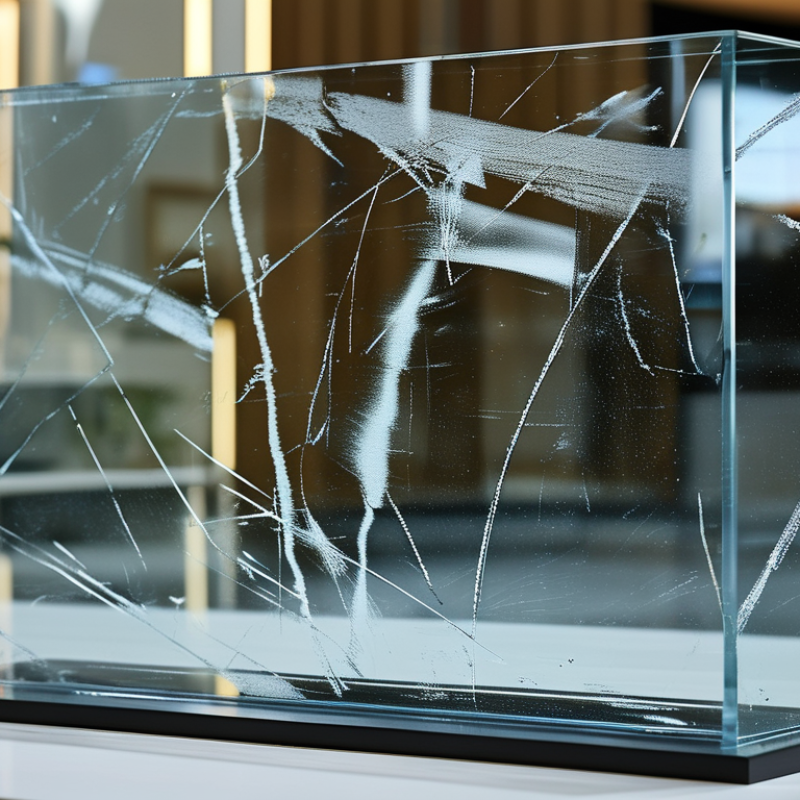
Cover glass for LCD displays is the transparent protective layer placed above the display panel. It is usually made from chemically strengthened glass, not ordinary window glass. Its job is practical: resist scratches, reduce impact damage, limit moisture entry, and preserve image clarity. In a factory inspection, technicians examine edge chips, surface haze, fingerprints, and tiny bubbles under angled light. These details can affect touch response and viewing quality.
The glass may include anti-glare, anti-fingerprint, or optical coating layers. Thickness, flatness, light transmittance, and surface hardness must match the LCD structure. A harder surface is not automatically better. Excessive thickness can increase weight and reduce touch sensitivity. According to Grand View Research, the global cover glass market is expected to grow strongly through 2030, supported by demand from automotive displays, industrial equipment, and consumer electronics. This growth also raises quality expectations for LCD suppliers.
Supplier evaluation should include measurable evidence, not attractive samples alone. Ask for optical transmittance data, hardness testing, thermal-shock results, dimensional tolerances, and coating durability records. MarketsandMarkets reports that display-related demand is expanding across automotive and smart-device applications, where reliability matters under heat, vibration, and repeated cleaning. In my view, one weakness remains: many comparisons focus on scratch resistance but overlook edge strength. A small edge defect can become a long crack. That is why production audits and sample testing deserve equal attention.
Key Materials and Performance Standards for LCD Cover Glass
2026 Best Cover Glass for LCD Display Suppliers?
Key Materials and Performance Standards for LCD Cover Glass
Choosing LCD cover glass starts with the display environment, not a catalog name. Soda-lime glass can suit cost-sensitive indoor products. Chemically strengthened aluminosilicate glass offers better resistance to scratches, drops, and repeated handling. Ion-exchange treatment creates compressive stress near the surface. Thickness still matters. A thinner panel may improve touch sensitivity, but it can reduce impact tolerance.
Clarity must be measured, not assumed. Important targets include visible transmittance, haze, color shift, surface flatness, and optical distortion. For bright retail screens, low haze prevents a cloudy image. For vehicle or industrial displays, glare control and stable performance across temperature changes deserve equal attention. Anti-fingerprint coatings can improve daily use, although coating durability is often underestimated.
Performance testing should match the final application. Review drop tests, abrasion cycles, thermal cycling, humidity exposure, chemical resistance, and coating adhesion. Use recognized ISO, IEC, or ASTM methods where applicable, then confirm the supplier’s exact test conditions. Ask for batch traceability, dimensional inspection records, and sample approval data. Reliability grows from repeatable evidence.
One detail is easy to miss.
Edge finishing strongly affects breakage risk. Poor chamfer control can create stress points during assembly. A supplier may present excellent laboratory results, yet production variation can tell another story. Pilot runs and incoming inspection remain necessary. No single hardness figure proves long-term quality. Real use is messier.
How to Evaluate LCD Cover Glass Suppliers in 2026
Evaluating LCD cover glass suppliers in 2026 requires more than comparing unit prices. IDC reported 1.23 billion smartphone shipments in 2024, a 6.5% annual increase. This volume keeps pressure on stable, scalable glass production. Suppliers should show monthly capacity, equipment redundancy, and documented delivery performance.
Inspect the glass, not only the certificate. Ask for optical haze, total transmittance, surface hardness, thickness tolerance, and edge-strength data. A supplier should provide test methods and sample records, not rounded marketing claims. ASTM D1003 supports haze and light-transmission testing, while ASTM C1499 can help assess flexural strength. Check performance after coating, cutting, and repeated cleaning. That is where weak processes often appear.
Traceability matters.
Require lot numbers, raw-material records, process-change notices, and retained samples. ISO 9001 certification supports process control, but it does not prove excellent cover glass. Confirm corrective-action response times through an on-site audit. Useful evidence includes at least six months of defect data and independent reliability reports. Omdia’s display research continues to highlight cost pressure and shifting panel demand, making supply flexibility important. However, forecasts can miss regional disruptions. We should not treat them as guarantees. A practical scorecard can weight quality at 40%, delivery at 25%, engineering support at 20%, and cost at 15%. Adjust those weights after pilot production, because laboratory samples rarely reveal every factory weakness.
Leading Supplier Types and Manufacturing Capabilities
2026 Best Cover Glass for LCD Display Suppliers?
Leading Supplier Types and Manufacturing Capabilities
The strongest cover glass suppliers usually fall into three groups. Glass manufacturers control raw materials and sheet quality. Precision processors handle cutting, shaping, drilling, and edge finishing. Integrated display suppliers combine glass processing with printing and module assembly. Each type serves a different purchasing need.
For large LCD programs, look for chemical strengthening, tight thickness control, and stable optical performance. A capable factory should manage CNC cutting, laser drilling, silk-screen printing, and anti-glare treatment. Its inspection system should measure haze, light transmission, flatness, and edge defects. Traceable batch records matter when a shipment fails. They save time during root-cause analysis.
Custom projects require more than equipment lists. Ask for prototype lead times, tooling control, sample approval methods, and production capacity during peak demand. A supplier may offer excellent samples but struggle with repeatability. That is easy to miss. Small scratches, uneven ink borders, or weak corners often appear after scale-up. Buyers should review test data, packaging design, and transport simulation results. Independent verification is still wise, even when factory documents look complete. The most reliable partner accepts technical questions and explains limitations clearly. I would also reconsider suppliers that promise every surface finish, size, and delivery date without discussing trade-offs.
Selection Criteria for Quality, Cost, and Long-Term Support
2026 Best Cover Glass for LCD Display Suppliers?
Selection Criteria for Quality, Cost, and Long-Term Support
Choosing cover glass for an LCD display requires more than comparing unit prices. In production reviews, I examine surface hardness, optical clarity, thickness tolerance, edge finishing, and touch sensitivity. A reliable supplier should provide inspection records, material traceability, and consistent samples from different production batches. Small details matter. A polished edge should feel smooth, without chips or sharp corners, even after repeated handling.
Cost evaluation should include the complete supply cycle. Ask about tooling charges, minimum order quantities, packaging, replacement rates, and delivery stability. A low quotation may hide higher losses caused by scratches, poor alignment, or delayed shipments. Request a pilot order before committing to large volumes. Measure actual yield under factory conditions, not only laboratory results. My own assessments have sometimes favored a cheaper option too early. That decision needed correction.
Long-term support is equally important. Confirm whether the supplier can maintain drawings, inspection standards, and material specifications after several years. Clear engineering communication helps when display dimensions or adhesive requirements change. Support should include root-cause analysis, corrective actions, and realistic response times. Certifications can strengthen confidence, but they do not replace physical testing. Ask for humidity, temperature cycling, abrasion, and impact data relevant to the final device. A dependable partner communicates limitations honestly instead of promising perfect performance. That gap matters.


 Phone
Phone Send Email
 whatsapp
 Facebook