2026 Top Anti Fingerprint Glass Benefits and Features Explained?
In recent years, the demand for Anti-Fingerprint Glass has surged in various industries. It's not just a trend; it's a necessity. According to a market research report by Grand View Research, the global anti-fingerprint coatings market is projected to reach $800 million by 2025. This significant growth indicates a rising awareness of the importance of maintaining clean and aesthetically pleasing surfaces.
Anti-Fingerprint Glass offers numerous benefits, including reduced maintenance and improved durability. The glass is engineered to repel oils, smudges, and fingerprints, making it ideal for both commercial and residential applications. Users have noted a marked improvement in their cleaning routine, with some reporting a 30% reduction in cleaning time. The application of anti-fingerprint technology also enhances the longevity of glass surfaces, though some critics point out that it's not entirely impervious to scratches.
However, it's essential to critically assess the limitations of Anti-Fingerprint Glass. While it excels in many areas, it may not completely eliminate the need for upkeep. Additionally, environmental implications of the production process warrant further investigation. As with any technology, understanding both its advantages and shortcomings enables consumers to make informed choices.

Overview of Anti-Fingerprint Glass Technology
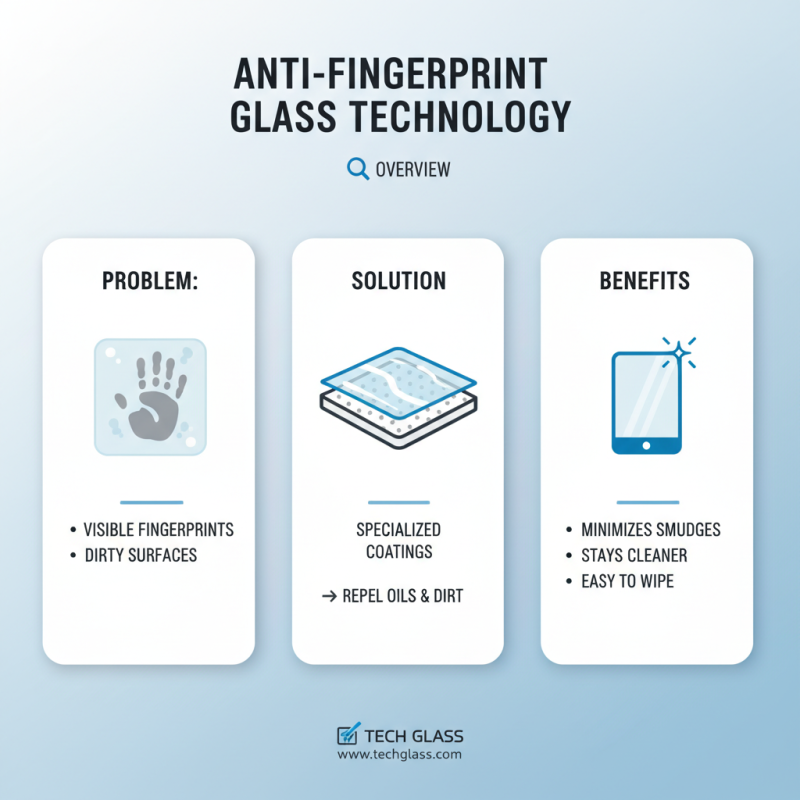
Anti-fingerprint glass technology has emerged as a popular choice for various applications. It minimizes the visibility of fingerprints and smudges, which helps maintain the surface's clean look. This technology is achieved through specialized coatings that repel oils and dirt, making it easier to clean.
This glass is particularly useful in touchscreen devices and kitchen surfaces. Users appreciate its ease of maintenance. However, some users report that while the anti-fingerprint feature works well initially, it may diminish over time. This raises questions about durability and long-term effectiveness.
Additionally, anti-fingerprint treatments can be sensitive to certain cleaning agents. Using the wrong product may damage the coating. Awareness of the right maintenance practices is essential for its longevity. Although this technology offers numerous benefits, it also requires careful handling to ensure optimal performance.
Key Benefits of Using Anti-Fingerprint Glass
Anti-fingerprint glass offers significant advantages in various settings. One of its main benefits is the reduction of visible smudges. Fingerprints can quickly accumulate on surfaces, making them look unkempt. Anti-fingerprint glass is designed to repel oils and dirt. This means users can enjoy cleaner surfaces with less maintenance. Also, it enhances the visual appeal of devices like smartphones or tablets.
Another key feature is its durability. Anti-fingerprint coatings often improve scratch resistance. This added strength helps protect devices from everyday wear and tear. Furthermore, the glass maintains clarity. Users appreciate sharp images without annoying distractions. However, not all coatings are created equal. Some may wear off over time, leading to a decline in performance. It’s essential to choose wisely.
Moreover, anti-fingerprint glass can be easier to clean. Users often only need a soft cloth for maintenance. This simplicity saves time and effort. Yet, the effectiveness may vary based on different environmental factors. In humid or dusty areas, the benefits might diminish more quickly. It's worth considering these factors when selecting glass for specific uses.
Benefits of Anti-Fingerprint Glass
Features of 2026 Top Anti-Fingerprint Glass Models
Anti-fingerprint glass has become increasingly popular due to its innovative features.
This type of glass is designed to resist smudges and fingerprints, making it ideal for various applications. According to a recent industry report,
nearly 75% of consumers prefer devices with this technology. The surface coating reduces cleaning time
and enhances durability, providing a greater return on investment.
Many 2026 models feature advanced materials that improve resistance to scratches and wear.
This is crucial for devices like smartphones and tablets.
The hydrophobic properties of these glasses repel oils and dirt, enabling a clearer display. Research indicates that products with anti-fingerprint coatings
maintain a better appearance over their lifespan.
However, it’s essential to note that not all coatings are created equal. Some may wear off quicker than expected, leading to periodic replacements.
The visual clarity delivered by anti-fingerprint glass is noteworthy.
Crystal-clear screens improve user experience and overall satisfaction. While many manufacturers aim for perfection, imperfections still exist in coatings.
Variations in application techniques can lead to inconsistent performance. Even with advanced technology, some models struggle with permanent marks.
Awareness of these limitations helps consumers make informed decisions.
Comparison with Traditional Glass Types
When comparing anti fingerprint glass to traditional glass, the differences are clear. Traditional glass easily shows fingerprints and smudges. This requires frequent cleaning and maintenance. Common materials struggle to maintain clarity and can seem dirty even after light use.
Anti fingerprint glass addresses these issues effectively. Its surface features special coatings that repel oils and dirt. As a result, it stays cleaner for longer. This can save time and frustration. However, it's worth noting that not every anti fingerprint solution lasts forever. Over time, even high-quality coatings may wear. Users need to consider this when making a choice.
Moreover, while anti fingerprint glass is an innovation, it's not impervious to damage. Scratches can still occur, affecting its performance. The initial benefits might not hold up if mishandled. Understanding these limitations is crucial for anyone looking to upgrade their glass surfaces.
Application Areas for Anti-Fingerprint Glass Products
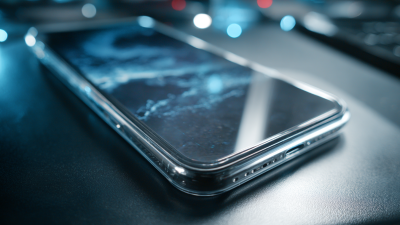
Anti-fingerprint glass has been gaining traction in various sectors. Its applications are broad, serving many industries. In consumer electronics, this glass protects screens of smartphones and tablets. Users appreciate the clear visibility it maintains. The reduced smudging makes devices easier to clean and more appealing.
The automotive industry also finds value in anti-fingerprint glass. Car manufacturers use it for touch screens and dashboards. This enhances the driving experience by reducing glare and fingerprints. However, it often needs a balance between cost and quality. Some lower-quality options may scratch easily, losing the intended benefits over time.
In architectural applications, windows and glass facades benefit from anti-fingerprint technology. It keeps buildings looking immaculate, especially in urban settings. Yet, maintenance is still a concern. Not all anti-fingerprint coatings last through harsh weather conditions. Users have reported varying levels of performance, making it clear that ongoing improvements are necessary.
2026 Top Anti Fingerprint Glass Benefits and Features Explained? - Application Areas for Anti-Fingerprint Glass Products
| Features |
Benefits |
Application Areas |
| Anti-smudge Coating |
Reduces visible fingerprints and smudges, maintaining a clean appearance. |
Smartphones and Tablets |
| Scratch Resistance |
Offers protection against scratches, enhancing durability. |
Laptops and Desktops |
| Easy to Clean |
Simplifies the cleaning process, saving time and effort. |
Touchscreens and Displays |
| Improved Clarity |
Enhances visual clarity by reducing glare from fingerprints. |
Home Appliances |
| Durable Coating |
Extends the lifespan of devices with protective properties. |
Automobiles and Interiors |


 Phone
Phone Send Email
 whatsapp
 Facebook