What Are the Benefits of Anti-Fingerprint Glass for Buyers?
In today's world, consumers seek products that combine aesthetics with functionality. One innovation that stands out is Anti-Fingerprint Glass. This type of glass is designed to resist fingerprints, smudges, and other marks. For buyers, this offers a cleaner, more polished look for their devices and surfaces.
Imagine your smartphone or tablet always looking brand new. With Anti-Fingerprint Glass, this is possible. Your screens remain clear, enhancing visibility and user experience. Additionally, the reduced need for frequent cleaning saves time and effort.
Despite these advantages, some may wonder about its long-term durability and effectiveness. Anti-Fingerprint Glass can vary in quality. Buyers should research and choose reputable brands. Understanding the benefits and limitations of this technology helps make a smart investment. The promise of convenience and aesthetics is appealing, but informed choices matter significantly.
Benefits of Anti-Fingerprint Glass for Consumers
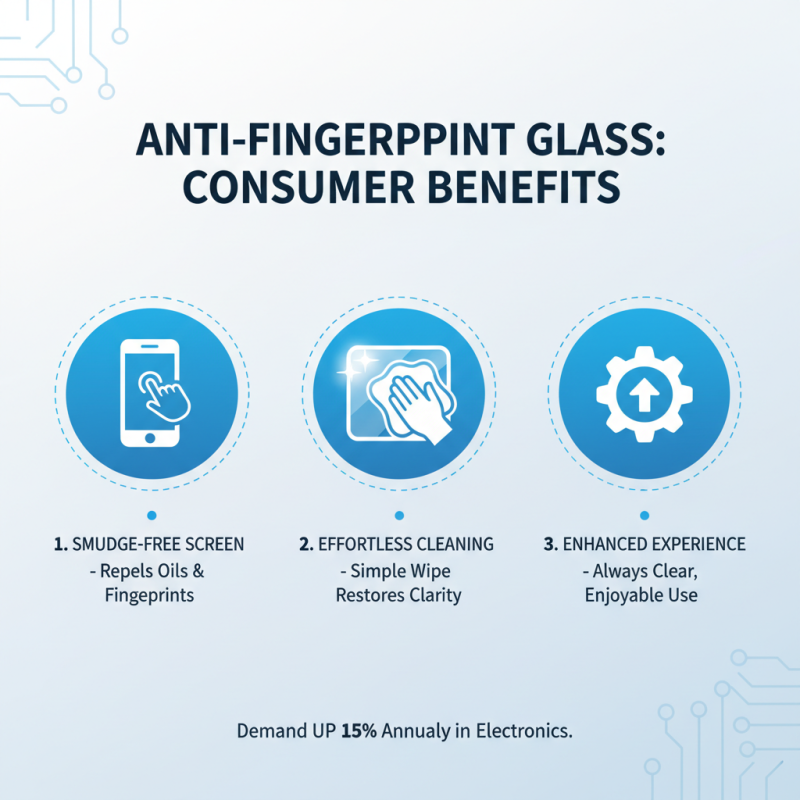
Anti-fingerprint glass offers several advantages for everyday consumers. This type of glass has a special coating that repels oils and smudges. According to a report from Market Research Future, the demand for anti-fingerprint surfaces in consumer electronics has increased by 15% annually. Many users appreciate the ease of keeping their devices clean. With a simple wipe, the glass returns to its original clarity, enhancing the overall user experience.
One significant benefit is reduced maintenance. Consumers often spend time cleaning screens and surfaces to maintain their appearance. Anti-fingerprint glass minimizes this effort. A study by Statista found that 70% of users reported less frequent cleaning when switching to anti-fingerprint coatings. The appeal of low-maintenance products aligns with modern consumers’ fast-paced lifestyles. However, not all coatings are created equal. Some may wear off more quickly than expected, leading to disappointment.
Additionally, anti-fingerprint glass can enhance the aesthetic appeal of devices. Clear, smudge-free screens can improve visual enjoyment when watching videos or playing games. Yet, it’s essential to consider that performance can decline over time. Users might notice imperfections after prolonged use. Regular assessments can ensure customers make informed decisions about their long-term satisfaction with these products.
How Anti-Fingerprint Technology Works in Glass
Anti-fingerprint technology in glass is an innovative solution for modern consumers. It works by applying a special coating that repels oils and smudges. This technology creates a surface that is easier to clean and maintain. Users appreciate how it minimizes the appearance of fingerprints, enhancing the aesthetic of the glass.
With everyday use, such as in smartphones or kitchen countertops, anti-fingerprint glass proves practical. It reduces the frequency of cleaning, saving time and effort. However, while impressive, not all surfaces resist fingerprints equally well. Some less effective coatings may wear down over time, leading to diminished performance.
Tips: To maximize the benefits, clean your anti-fingerprint glass regularly. Use a soft microfiber cloth for best results. Avoid harsh chemicals, which may damage the coating. Keep in mind that continuous exposure to heat or sunlight might also affect longevity.
Another consideration is the initial cost. Anti-fingerprint glass can be more expensive than standard options. While the benefits may justify the price, assess your needs carefully. Ask yourself if the investment aligns with your lifestyle and usage frequency.
Durability and Maintenance Advantages of Anti-Fingerprint Glass
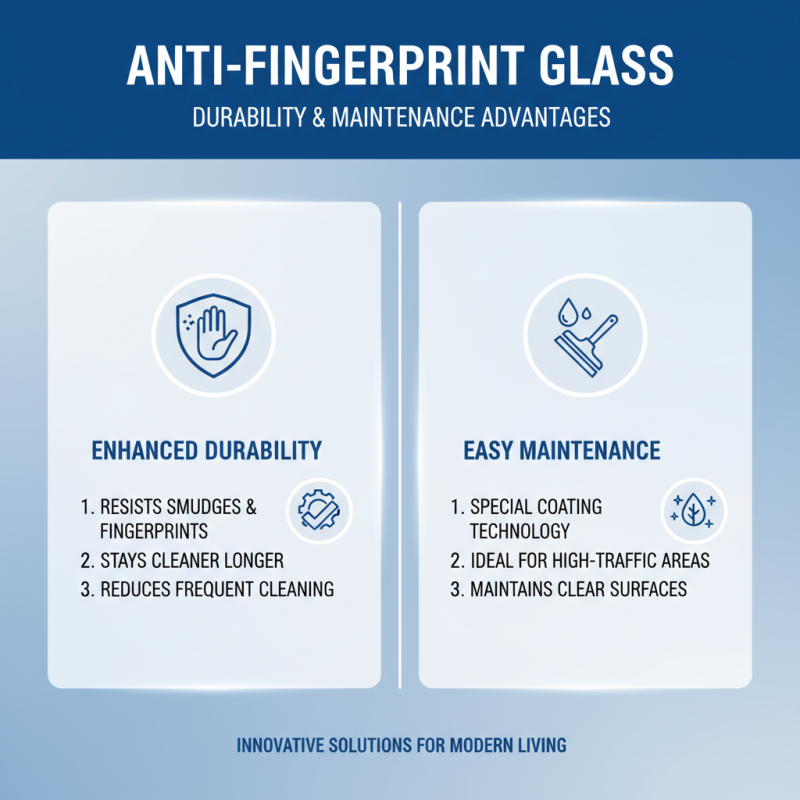
Anti-fingerprint glass offers notable durability and maintenance advantages for buyers. This innovative material features a special coating that significantly reduces smudges and fingerprints. As a result, surfaces remain cleaner for longer periods. This is particularly beneficial for high-traffic areas where frequent handling is common.
Maintenance becomes easier with anti-fingerprint glass. Regular cleaning requires less effort, as the coating repels oils and dirt. Many users find that a simple wipe with a microfiber cloth is often sufficient. Less frequent cleaning also saves time and resources, which is appealing to busy households and businesses alike.
However, it is important to recognize some drawbacks. The coating may wear off over time, especially with heavy use. This can lead to a need for replacement sooner than expected. Some users may also find that while the glass is resistant to fingerprints, it can still show scratches or other marks. It's essential to weigh these aspects when considering anti-fingerprint glass for your needs.
Aesthetic Appeal and Visual Clarity of Anti-Fingerprint Glass
Anti-fingerprint glass offers significant aesthetic advantages. Its sleek surface enhances the visual appeal of any space. This glass maintains a polished and pristine look, even in high-traffic areas. It resists smudges and fingerprints, making it a practical choice for both homes and businesses. Everyday grime is minimized, allowing for a consistently clean appearance.
Visual clarity is another key benefit. Anti-fingerprint glass allows light to pass through unobstructed. This clarity enhances your view and supports natural lighting, creating a brighter atmosphere. You can appreciate art, landscapes, or architectural details without distractions. Moreover, the glass protects against scratches, maintaining its clarity over time.
However, it’s important to reflect on what “clear” really means. While the surface repels fingerprints, it can still attract dust. Regular cleaning is necessary to maintain its appearance. Some individuals may need time to adjust to a different texture, which can feel slippery at first. Addressing these concerns can help buyers make a more informed choice about their investment.
Cost-Effectiveness of Anti-Fingerprint Glass for Buyers
Anti-fingerprint glass has gained attention for its practical benefits. One crucial aspect is cost-effectiveness. According to a report by Grand View Research, the global demand for anti-fingerprint coatings is expected to grow significantly, indicating buyers' rising interest in this technology. These coatings reduce the need for frequent cleaning and, ultimately, maintenance costs.
Investing in anti-fingerprint glass can lead to long-term savings. A study by TechSci Research showed that businesses reported up to 30% lower cleaning expenses after switching to this glass type. This reduction occurs because smudges and fingerprints do not accumulate as easily, saving both time and resources. However, the initial investment might be higher than traditional glass, which could deter some buyers.
Tips for choosing anti-fingerprint glass: Look for products with reliable warranties. This ensures quality and longevity. Additionally, consider consulting industry experts for insights on the best options available. Remember, not all anti-fingerprint coatings are created equal. Some may require more frequent maintenance, meaning potential future costs.
Benefits of Anti-Fingerprint Glass for Buyers
The chart above illustrates the various benefits of anti-fingerprint glass as rated by consumers. Key attributes include cost-effectiveness, maintenance ease, durability, aesthetics, and long-term value, showcasing the overall appeal of this product category for potential buyers.


 Phone
Phone Send Email
 whatsapp
 Facebook