What are the Benefits of Anti-Reflective Glass for Buyers?
In today's market, buyers increasingly seek quality in their purchases. "Anti-Reflective Glass" stands out as a top choice for many consumers. According to industry expert Dr. Emily Turner, "Investing in anti-reflective glass enhances both aesthetics and functionality." This glass significantly reduces glare, making it ideal for various applications.
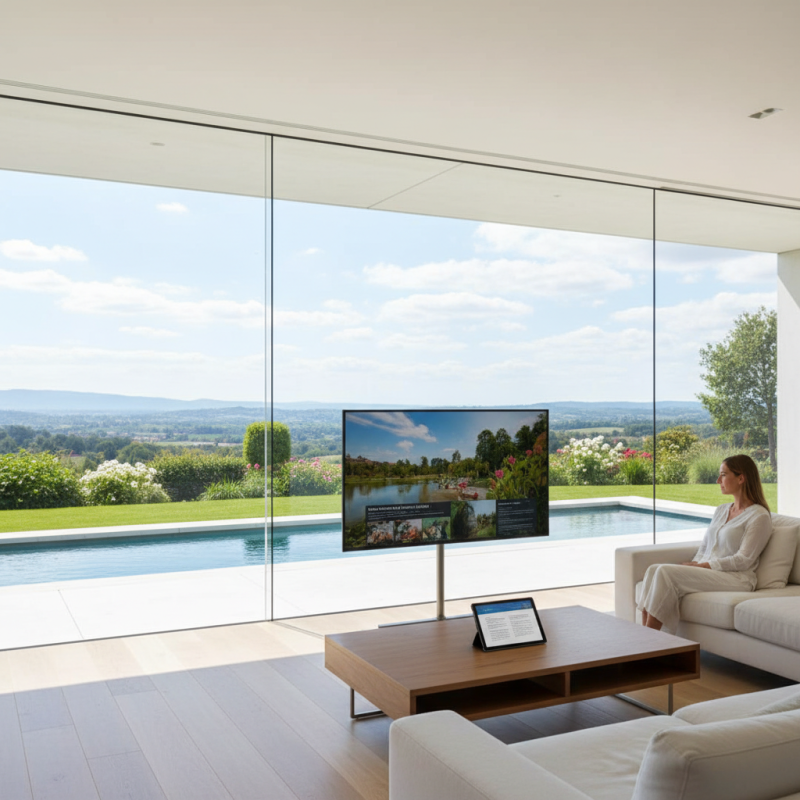
Imagine a home filled with natural light, where reflections no longer distract the viewer. Anti-reflective glass creates a seamless connection between the indoors and outdoors. It offers clarity that traditional glass cannot match. Additionally, it enhances the viewing experience of electronic devices. The reduction of reflections allows for better visibility and comfort.
Though the benefits are clear, some buyers may still hesitate. The price point of anti-reflective glass can lead to doubts about its value. However, the long-term advantages outweigh the initial cost. Buyers should reflect on their needs and how this technology can improve their daily lives. Anti-reflective glass proves to be more than just a purchase; it is an investment in quality and clarity.
Understanding Anti-Reflective Glass: An Overview
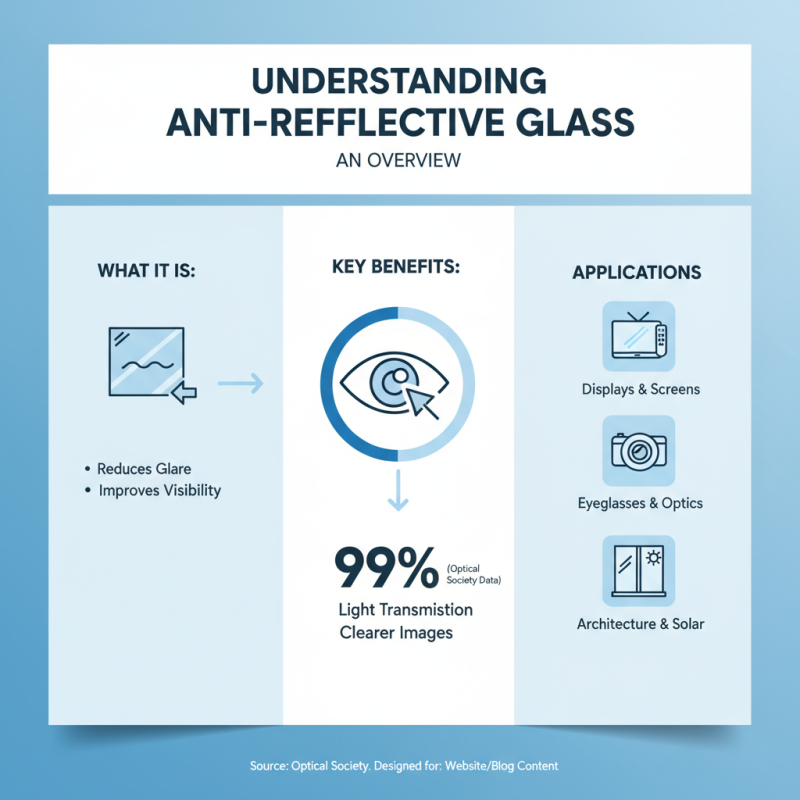
Anti-reflective (AR) glass is increasingly relevant in modern design and technology. It offers significant benefits for consumers. This type of glass reduces glare, improving visibility. According to the Optical Society, AR coatings can enhance light transmission by up to 99%. This change leads to clearer images in various applications.
In architectural settings, AR glass minimizes reflections from sunlight. Studies show it can decrease eye strain, especially in spaces with natural light. Users report an increase in comfort and productivity. Additionally, in eyewear, anti-reflective coatings reduce distractions. This feature helps in both daily wear and performance contexts, such as sports.
Despite its advantages, there are limitations. The durability of anti-reflective coatings can vary. Some may wear off over time, requiring careful maintenance. Furthermore, the initial cost may be higher than standard glass. Consumers must weigh the benefits against these considerations. Ultimately, understanding anti-reflective glass can lead to better purchasing decisions.
Key Features of Anti-Reflective Glass for Consumers
Anti-reflective glass has become increasingly popular among consumers, offering several benefits that enhance the viewing experience. One of its key features is reduced glare. This feature is especially helpful in bright environments. Whether indoors or outdoors, glare can hinder visibility. Anti-reflective surfaces minimize reflections, allowing for clearer images and improved comfort.
Another important aspect is improved clarity. When you use anti-reflective glass, colors appear more vibrant. The details become sharper and more defined. This added clarity enhances the overall aesthetic of any space. Many consumers appreciate the seamless appearance, which feels more modern and inviting.
Tips for choosing anti-reflective glass include considering your environment. If you often deal with harsh lighting, go for high-quality options. Check for scratch resistance, as durability matters. Take your time to evaluate different choices. It’s essential to ask questions. Research reviews and gather opinions from those who have made similar purchases. Balancing cost and quality can lead to a more satisfactory outcome.
Benefits of Anti-Reflective Glass for Buyers
Advantages of Anti-Reflective Glass in Everyday Use
Anti-reflective glass offers numerous advantages in our daily lives. This type of glass significantly reduces glare, making it easier to see clearly in bright environments. Whether you're driving on a sunny day or working at your desk, the reduction in reflections enhances visibility and comfort.
In addition, anti-reflective glass improves the viewing experience for screens and displays. For instance, whether using a computer or watching a movie, the clarity provided by this glass can make a remarkable difference. Users often notice less eye strain after prolonged use. It is a subtle change, but its impact is profound.
However, not all experiences are perfect. Some may find the glass requires more frequent cleaning due to its coating. Smudges may become more visible, challenging the user’s maintenance routine. This can lead one to reflect on the balance between clarity and upkeep. The benefits are compelling, yet the effort involved in care cannot be ignored.
Cost-Benefit Analysis: Is Anti-Reflective Glass Worth It?
When exploring the benefits of anti-reflective glass, a cost-benefit analysis becomes crucial. This type of glass significantly reduces glare. It enhances clarity and improves visibility, especially in bright conditions. For buyers, this means a better viewing experience for their devices or eyewear.
However, anti-reflective glass comes at a premium. The initial cost can be a hurdle for some. While the longevity of the product may offset this expense, not everyone may be convinced. It's important to weigh these costs against the daily benefits.
Individuals living in sunny areas may find it a worthy investment. For others, the impact might not be as noticeable.
Durability is another factor. Anti-reflective coatings wear over time. Scratches and smudges can diminish the glass's effectiveness. Regular maintenance is needed to keep it looking good. Buyers must consider whether they are ready for that commitment. In the end, the choice hinges on personal preferences and lifestyle needs.
Applications of Anti-Reflective Glass in Different Industries
Anti-reflective glass finds numerous applications across various industries, demonstrating its versatility. In the eyewear sector, it enhances transparency and comfort. Glasses with anti-reflective coating reduce glare. This leads to fewer distractions, particularly for drivers and computer users. As a result, wearers enjoy improved vision and reduced eye strain.
In technology, anti-reflective glass is vital for screens. Devices like smartphones and tablets use it to minimize reflections. This coating ensures that users can view images clearly, even under bright conditions. By enhancing the display quality, it attracts consumers who seek better visual experiences. As screens become integral in our lives, this technology grows more essential.
The architectural industry also benefits significantly. Buildings with anti-reflective glass improve aesthetics and energy efficiency. They allow natural light to enter while reducing heat gain. This makes spaces more inviting and comfortable. However, using anti-reflective glass comes with challenges. Maintenance can be tricky, and scratches may affect performance. Despite its benefits, users must consider long-term care to maintain its clarity and functionality.


 Phone
Phone Send Email
 whatsapp
 Facebook