Why Choose Self-Cleaning Glass for Your Home or Business?
In today's fast-paced world, maintaining cleanliness can be a daunting task. Many homeowners and business owners seek efficient solutions, and Self-Cleaning Glass is one such innovation. According to Dr. Emily Carter, a leading expert in architectural glass technology, "Self-Cleaning Glass revolutionizes how we think about maintenance." This technology makes it easier to keep surfaces clear and appealing, saving time and effort.
The key to this innovative glass lies in its unique coating. This layer uses sunlight and rain to break down dirt and pollutants. As a result, grime simply washes away. This feature is especially beneficial for hard-to-reach windows or structures. It adds aesthetic value and helps reduce cleaning expenses over time.
However, it's important not to overlook certain aspects. While Self-Cleaning Glass significantly reduces the need for manual cleaning, it doesn’t eliminate it entirely. It may require some maintenance, especially in areas with heavy pollution. Reflecting on these details can help potential users make informed decisions about incorporating Self-Cleaning Glass into their spaces.

Benefits of Self-Cleaning Glass for Residential Use
Self-cleaning glass is an innovative solution for homeowners. It uses a special coating that reacts with sunlight and rain. This process breaks down dirt and grime, allowing them to wash away naturally. Imagine looking out your window and not seeing smudges or streaks! This technology can save time and effort in maintaining your windows.
The benefits extend beyond just cleanliness. Self-cleaning glass can improve energy efficiency. By keeping windows clear, more light enters your home. This allows you to enjoy natural illumination without extra energy costs. It can also enhance your home's curb appeal, making it look well-maintained.
However, it’s important to note that self-cleaning glass isn’t a miracle solution. Heavy dirt or debris may still require manual cleaning. You might find that certain environmental conditions affect its performance. Overall, while self-cleaning glass offers significant advantages, it’s essential to have realistic expectations.
Why Choose Self-Cleaning Glass for Your Home or Business? - Benefits of Self-Cleaning Glass for Residential Use
| Benefit |
Description |
Sustainability |
Maintenance |
| Reduced Cleaning Time |
Self-cleaning glass minimizes the need for manual cleaning, saving time and effort. |
Lowers the frequency of cleaning products used, reducing environmental impact. |
Less need for professional cleaning services. |
| Enhanced Aesthetics |
Keeps windows clear and free of grime and dirt, improving overall appearance. |
Maintains visual appeal with less effort, promoting greener living. |
Reduces the long-term need for window replacements due to damage from cleaning chemicals. |
| UV Protection |
Helps block harmful UV rays, protecting interior furnishings from fading. |
Contributes to energy efficiency by reducing heat buildup indoors. |
Fewer replacements lead to lower resource consumption over time. |
| Time and Cost Efficiency |
Saves both time and money in maintaining property appearances. |
Promotes long-term investments by maintaining property value. |
Minimizes the costs associated with regular cleaning services. |
Advantages of Self-Cleaning Glass in Commercial Settings
Self-cleaning glass is revolutionizing commercial spaces with its innovative technology. In busy environments, maintaining cleanliness can be a daunting task. Traditional methods often fall short, requiring constant effort. However, self-cleaning glass simplifies this process, saving time and reducing labor costs.
The technology relies on a photocatalytic coating. This coating reacts with sunlight, breaking down dirt and grime. Rainwater then washes away the loosened particles. Businesses experience less downtime for maintenance. Windows remain clear, enhancing the overall aesthetic.
In industries like hospitality and retail, appearance matters. Clean glass creates a welcoming atmosphere. Customers notice the difference, which can lead to improved satisfaction and loyalty. However, some might find limitations in extreme weather conditions or heavy pollution. It's essential to assess each environment's needs before making the switch.
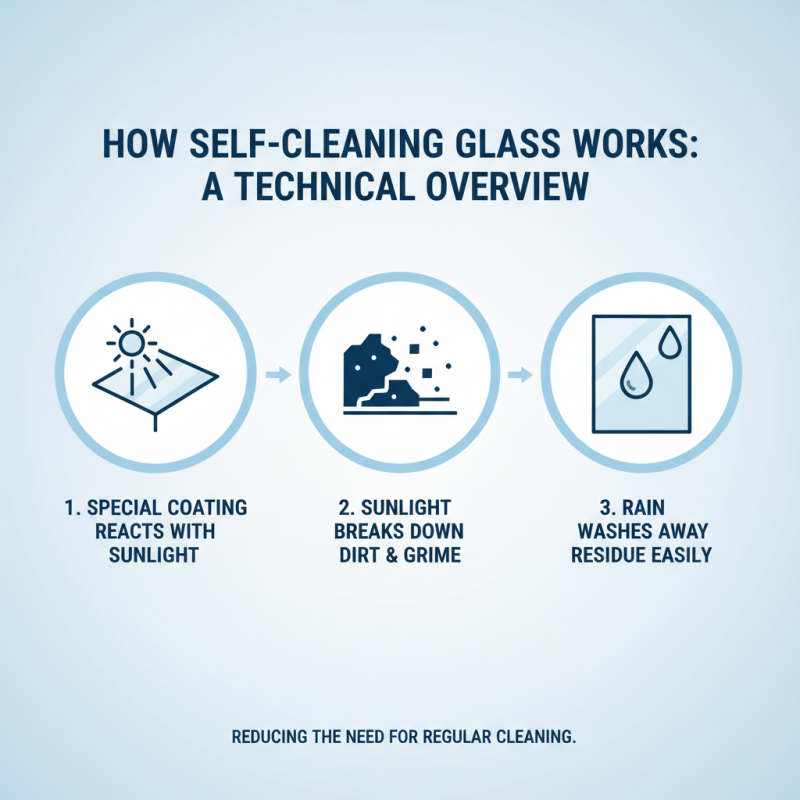
How Self-Cleaning Glass Works: A Technical Overview
Self-cleaning glass uses advanced technology to maintain its clarity. It features a special coating that reacts with sunlight. The coating works by breaking down dirt and grime. This process happens naturally, reducing the need for regular cleaning.
When it rains, water helps wash away the loosened debris. The water spreads evenly across the surface, enhancing the cleaning effect. While this technology is impressive, it’s not entirely maintenance-free. In some conditions, like heavy pollution, residue can still accumulate. Regular inspections and occasional manual cleaning can help keep the glass looking its best.
Understanding how self-cleaning glass functions can help in its application. Proper installation is crucial to maximize its benefits. This solution also contributes to sustainability by decreasing water usage. However, users should adjust their expectations based on local environmental factors. Self-cleaning glass is not a miracle solution but a helpful tool for easier maintenance.
Cost Considerations When Choosing Self-Cleaning Glass
When considering self-cleaning glass for your home or business, cost is a crucial factor. The upfront price of self-cleaning glass can be higher than traditional options. However, it’s essential to examine long-term savings. Over time, this glass can significantly reduce maintenance costs. Less frequent cleaning means lower labor and materials expenses.
Moreover, self-cleaning glass can enhance energy efficiency. By allowing more natural light into your space, it may reduce lighting costs. This feature can lead to savings on utility bills. Yet, the initial investment can be daunting. Many individuals struggle with the decision, weighing immediate financial strain against future benefits.
Additionally, self-cleaning glass offers convenience. It reduces the effort needed for upkeep. However, it might not be a perfect substitute for traditional cleaning methods. Some stubborn stains could still require manual intervention. An understanding of the complexities involved can help make an informed decision. Consider personal or business needs when weighing investment versus convenience.
Environmental Impact and Sustainability of Self-Cleaning Glass
Self-cleaning glass is revolutionizing the way we think about cleanliness and sustainability. This innovative material employs a unique coating that breaks down dirt and grime using sunlight. According to a 2021 report by the International Glass Association, self-cleaning glass can reduce energy consumption by approximately 30% due to decreased maintenance needs and extended lifespan.
The environmental benefits of self-cleaning glass extend beyond energy efficiency. It reduces the use of harmful cleaning chemicals. A study published in the Journal of Environmental Management found that the average household could cut chemical use by up to 80% when utilizing self-cleaning surfaces. This shift positively impacts local ecosystems while promoting healthier indoor air quality.
However, there are challenges. Not all self-cleaning glass performs equally in different climates. Some regions see varying levels of effectiveness depending on sunlight availability. Additionally, the initial cost can be a barrier for many homeowners. Reflecting on these factors can help potential buyers make informed decisions about their investment.


 Phone
Phone Send Email
 whatsapp
 Facebook