2026 Best Anti Reflective Glass Options for Global Buyers?
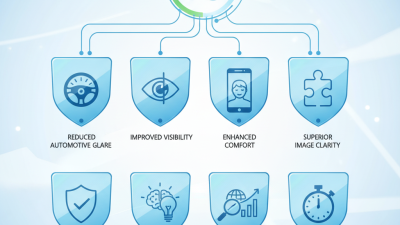
In today's visual-centric world, choosing the right glass is essential. Anti-Reflective Glass has emerged as a preferred choice for many global buyers. This type of glass significantly reduces glare and enhances clarity. With improved transparency, it allows for a better viewing experience in various applications.
As technology advances, more options for Anti-Reflective Glass become available. These products cater to different needs, from everyday spectacles to high-end displays. Buyers must consider factors such as scratch resistance, durability, and UV protection when making a decision. However, not all options are created equal. Some may claim to offer top-notch quality but fall short in performance.
This article aims to help buyers navigate the complex market of Anti-Reflective Glass. We will explore the best options available in 2026. The focus will be on reliable suppliers and the unique features that set each product apart. Consideration of real-world applications will play a crucial role. By examining these aspects, buyers can make informed choices that best fit their needs.

2026 Market Overview: Demand and Supply for Anti-Reflective Glass
The demand for anti-reflective glass is on the rise globally, fueled by advancements in technology and consumer awareness. The market is projected to reach a valuation of approximately $8 billion by 2026, according to recent industry reports. Factors driving this growth include applications in electronics, automotive, and architectural sectors. The increasing use of smartphones and tablets, for instance, significantly boosts the need for high-quality anti-reflective coatings.
However, the supply chain faces challenges. Manufacturers struggle with fluctuating raw material costs and environmental regulations. The production of anti-reflective glass requires precise techniques, making it a complex process. Furthermore, there are inconsistencies in product quality among various suppliers, which can lead to customer dissatisfaction. Addressing these issues is crucial for maintaining a healthy balance between supply and demand.
Quality certification remains a critical aspect of the industry. Buyers are becoming more discerning, seeking reliable sources. Reports indicate that approximately 65% of purchasers prioritize certifications when evaluating suppliers. A lack of standardization can lead to confusion. Stakeholders must work together to establish clear guidelines. The path to a robust market for anti-reflective glass is fraught with challenges but also offers opportunities for innovation and collaboration.
2026 Best Anti Reflective Glass Options for Global Buyers
| Glass Type |
Application |
Market Demand (Units) |
Market Supply (Units) |
Growth Rate (%) |
| Standard Anti-Reflective Glass |
Residential Windows |
1,200,000 |
1,000,000 |
5% |
| High-Performance Anti-Reflective Glass |
Commercial Windows |
800,000 |
600,000 |
8% |
| Automotive Anti-Reflective Glass |
Vehicles |
1,500,000 |
1,200,000 |
6% |
| Optical Anti-Reflective Glass |
Eyewear and Sunglasses |
700,000 |
500,000 |
10% |
| Architectural Anti-Reflective Glass |
Buildings |
950,000 |
850,000 |
7% |
Key Features of Anti-Reflective Glass: Material Composition and Technologies
Anti-reflective (AR) glass is making waves in various industries. It's essential for enhancing visibility and clarity. The material composition of AR glass often includes silica-based substrates. Different coatings reduce glare and reflections effectively. These coatings enhance light transmission significantly. Users experience clearer views, especially with eyeglasses and screens.
Technologies behind AR glass vary widely. Some use a multilayer coating process, while others utilize chemical treatments. These advances play a crucial role in everyday applications. Not all AR glass is created equal. Some products may wear down faster, losing effectiveness over time. Buyers should consider durability as a key factor.
Environmental factors can also impact AR glass performance. Dust, moisture, and temperature changes may affect clarity and longevity. Regular cleaning and maintenance are vital. Consumers sometimes overlook these details, leading to subpar results. It's worthwhile to investigate all options and understand your specific needs. AR glass is not a one-size-fits-all solution. Making informed choices requires careful consideration of these aspects.
2026 Best Anti Reflective Glass Options for Global Buyers
This chart illustrates the key features of various anti-reflective glass options available in 2026. The specific material compositions and technologies are summarized based on their effectiveness and popularity.
Comparative Analysis: Top Brands and Their Best-Selling Anti-Reflective Models
The choice of anti-reflective glass is critical for various applications, from eyewear to electronic displays. In 2023, the global market for anti-reflective coatings was valued at USD 3.7 billion and is projected to grow. This growth highlights the increasing demand for high-quality visibility solutions. Significant players in this field deliver products with varied performances, but not all options stand out in real-world usage.
Three significant qualities define top-selling anti-reflective models: durability, ease of cleaning, and visual clarity. Consumer reports indicate that durability is often compromised in cheaper options. A survey found that 62% of users preferred brands that excelled in scratch resistance. Additionally, only 45% of users found that their anti-reflective glasses remained easily cleanable over time. This dissatisfaction often leads to wasted resources and regretful purchases.
Choosing the right model involves careful consideration of not just brand reputation, but user reviews and performance metrics as well. Some users have reported glare issues despite choosing reputed brands, pointing to the importance of product testing. Understanding these nuances can guide buyers in selecting models that align with their specific needs.
Global Trends: Regional Preferences and Market Growth Projections
In recent years, the demand for anti-reflective glass has surged globally. This shift is not just about aesthetics; it reflects a deeper trend. Different regions express distinct preferences for anti-reflective coatings. In North America, consumers favor durability and scratch resistance. Conversely, European buyers often prioritize environmental sustainability and UV protection. The growing awareness of these factors is driving market dynamics.
Emerging markets in Asia show promising growth. Here, the demand is heavily influenced by the rise of personal electronics and eyewear. Urbanization and increasing disposable income foster a new customer base. These buyers seek high-quality optical solutions. However, challenges such as price sensitivity and regional variations in quality standards remain pertinent. Manufacturers must adapt to these local needs while maintaining global quality.
Uncertainties about material availability and production costs can disrupt this market. Suppliers must invest in research and development to address these issues. Innovation in anti-reflective technology is crucial. However, achieving a balance between cost, quality, and performance can be daunting. As this market continues to evolve, stakeholders must carefully navigate these complexities while catering to the diverse regional preferences.
Customer Satisfaction: Consumer Feedback and Performance Metrics for 2026
When exploring the best anti-reflective (AR) glass options for 2026, customer satisfaction plays a vital role. Buyers increasingly rely on consumer feedback and performance metrics to guide their decisions. Opting for AR glass is not just about aesthetics. Users seek clear vision and comfort. Many noted that glare reduction improved their daily experiences, especially in bright environments like offices and outdoors.
Consumer reviews highlight durability as a key factor. Some users reported scratches developing over time. These concerns illustrate the need for further research and quality evaluations. Performance metrics reveal that coating technology is continuously evolving. Each product claims superiority, yet user experiences vary widely. Some appreciate the clarity but wish for enhanced scratch resistance. Be mindful of these thoughtful reflections as they may influence future purchases.


 Phone
Phone Send Email
 whatsapp
 Facebook