Why Choose the Best Cover Glass For Monitor Applications?
Choosing the right cover glass for monitor applications is crucial. The cover glass plays a key role in enhancing display performance. It protects the screen while ensuring optimal visibility.
The right cover glass for a monitor offers durability and clarity. Technical specifications vary widely among options available in the market. Factors such as light transmission, scratch resistance, and impact strength are critical. Brands often claim superiority, but not all deliver. Testing and real-world applications often reveal gaps in performance.
Investing in quality cover glass for monitors is essential. It can prevent frequent replacements and associated costs. However, the perfect product is a blend of science and practicality. Users may find that higher prices do not always correlate with better performance. Decisions must be informed by both technical data and user experience. Understanding these nuances can lead to better choices.
Understanding the Role of Cover Glass in Monitor Performance
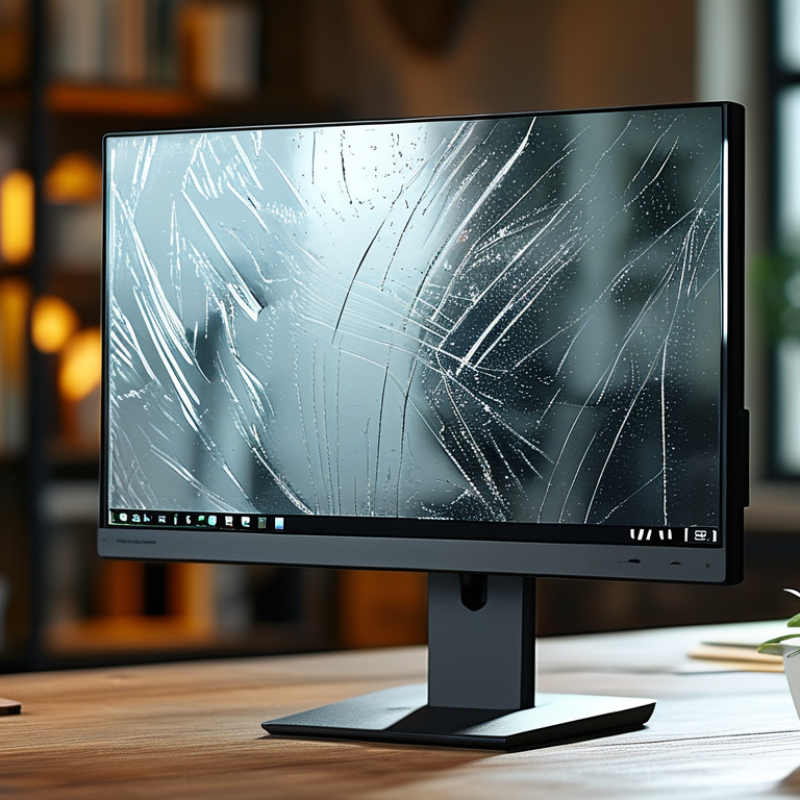
Cover glass plays a crucial role in monitor performance. It serves as protection against dust, scratches, and impact. The choice of the right material affects both durability and visual clarity. High-quality cover glass can enhance viewing experiences by reducing glare and reflections. This is especially vital in bright environments where display visibility is critical.
Understanding the different types of cover glass is essential. For instance, tempered glass is more robust than regular glass. Yet, it can be heavier and may not offer the same level of optical performance. Ultimately, the choice should reflect the specific needs of the application. It's important to consider factors like ambient light, usage scenarios, and the required level of touch sensitivity. Careful selection can lead to improved user satisfaction and extended monitor life.
While the impact of cover glass is significant, it is not always fully appreciated. Users may overlook its influence on overall monitor usability. This can lead to disappointment when the display fails to meet expectations. Being informed about the trade-offs involved in cover glass selection can lead to better decisions. Always weigh the benefits against price and performance.
Key Properties of Cover Glass for Display Applications
When selecting cover glass for monitor applications, several key properties come into play. Durability is paramount. A robust cover glass can withstand daily wear and tear. It also resists scratches, ensuring clear visibility over time. The right choice can enhance the longevity and functionality of your display.
Another crucial aspect is optical clarity. High-quality cover glass minimizes distortion and allows for vibrant color reproduction. This is essential for various applications, including gaming and professional design work. It's vital to test different types of glass to find the best match for specific needs.
**Tips:**
Choose cover glass with anti-reflective coatings to reduce glare. Consider glass thickness based on the monitor's intended use and environment. Always assess environmental factors, like heat exposure, as they affect glass performance.
Why Choose the Best Cover Glass For Monitor Applications? - Key Properties of Cover Glass for Display Applications
| Property |
Description |
Importance |
| Optical Clarity |
High transparency for vivid display quality |
Essential for a clear and bright image |
| Durability |
Resistance to scratches and impact |
Increases lifespan of the display |
| Thermal Stability |
Ability to withstand temperature fluctuations |
Prevents warping and maintains performance |
| Anti-Glare |
Reduces reflections from external light |
Enhances visibility and comfort for users |
| Easy to Clean |
Smooth surface for effortless maintenance |
Keeps displays looking new and clear |
Comparing Different Types of Cover Glass Materials
When choosing cover glass for monitor applications, it's essential to understand the different types available. For instance,
tempered glass is known for its strength and resistance to impact. It’s ideal for commercial displays
where durability is crucial. On the other hand, anti-glare glass reduces reflections and enhances visibility, making it suitable for environments with bright lighting.
Tips: Always consider your environment. Choose glass that fits your specific needs.
There are also options like anti-fingerprint glass. This type helps maintain a clean appearance.
However, it may not be as durable as tempered glass. Each material has strengths and weaknesses. A detailed assessment can save you from future issues.
Tips: Test different materials. Real-world application can reveal unexpected challenges. Investing time in this process pays off.
Factors Influencing the Selection of Cover Glass
When selecting cover glass for monitor applications, several key factors come into play. The thickness of the glass is crucial. Thicker glass can provide better durability but may affect touch sensitivity. This can be a significant consideration for touchscreen monitors. Additionally, the surface treatment of the glass should not be overlooked. Anti-glare or anti-reflective coatings can enhance visibility in various lighting conditions.
Another influencing factor is the optical clarity of the glass. High transmittance ensures vibrant colors and sharp images. However, achieving this high clarity can sometimes result in higher costs. Balancing quality and budget is often a challenging decision. Manufacturers must also think about the glass's chemical composition. It can impact both performance and longevity, especially in environments exposed to harsh chemicals.
Lastly, it is essential to consider the application environment. Monitors used in industrial settings may need tougher cover glass compared to those in office use. Reflecting on these factors helps ensure the right choice is made. Every application has unique needs that may require trade-offs. Therefore, understanding the specific requirements of each situation is vital for a successful outcome.
Factors Influencing the Selection of Cover Glass for Monitor Applications
Benefits of High-Quality Cover Glass in Monitors
High-quality cover glass plays a crucial role in monitor applications. It improves resistance to scratches and impacts. A durable cover glass extends the life of monitors. This results in lower replacement costs. Users benefit from enhanced visibility and reduced glare in various lighting conditions.
Choosing the best cover glass can be overwhelming. Make sure to consider optical clarity. High-quality glass ensures vivid colors and sharp images. Additionally, anti-reflective coatings can significantly enhance user experience. Look for options that minimize reflections. This improves comfort, especially during prolonged use.
Tips: Always check for certifications and standards. Reliable suppliers provide detailed specifications. Don’t overlook the importance of thickness. Thicker glass offers better durability but may add weight. Weigh the pros and cons when selecting glass. Consider your specific usage scenarios and environment. The right choice can lead to lasting satisfaction. Assessing these aspects helps make an informed decision.


 Phone
Phone Send Email
 whatsapp
 Facebook