Best Tempered Glass Products for Global Buyers?
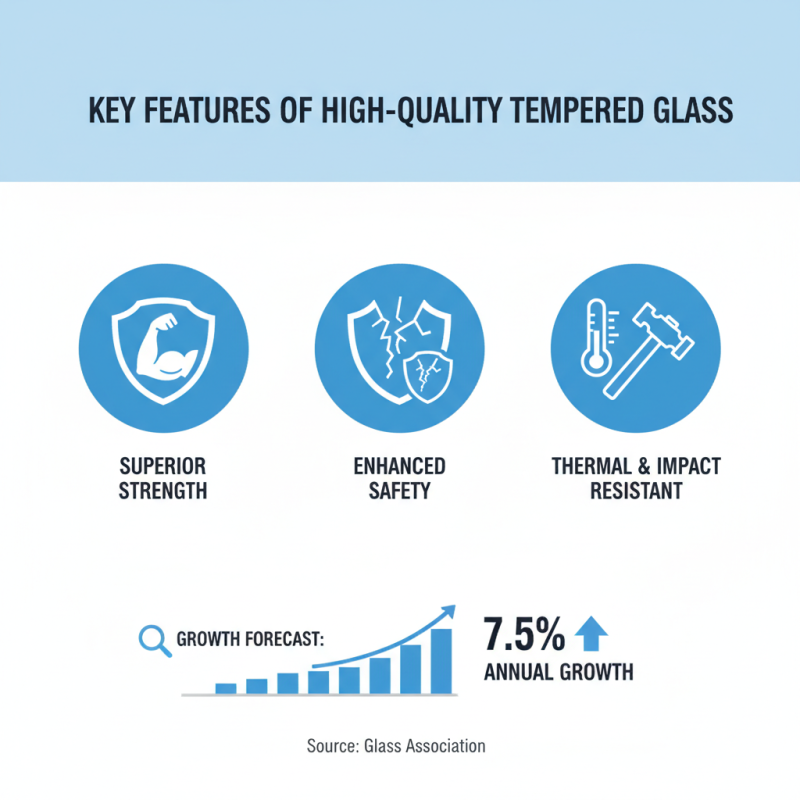
Tempered glass has become a popular choice for various applications around the globe. Known for its strength and safety features, it is widely used in home decor, commercial spaces, and automotive industries. This material undergoes a unique heating and cooling process, making it more resistant to impact and thermal shock.
While tempered glass offers many advantages, not all products meet high-quality standards. Buyers must be careful when selecting tempered glass items. Trustworthy suppliers are essential for ensuring durability and safety. Some products look appealing but may lack the necessary certifications.
Exploring the best tempered glass products involves seeking out reliable manufacturers and understanding how to assess quality. It's crucial to prioritize safety over aesthetics. In a market filled with options, navigating the choices can be overwhelming. However, informed decisions can lead to satisfactory purchases that meet buyers' expectations.
Types of Tempered Glass Products Available in the Global Market
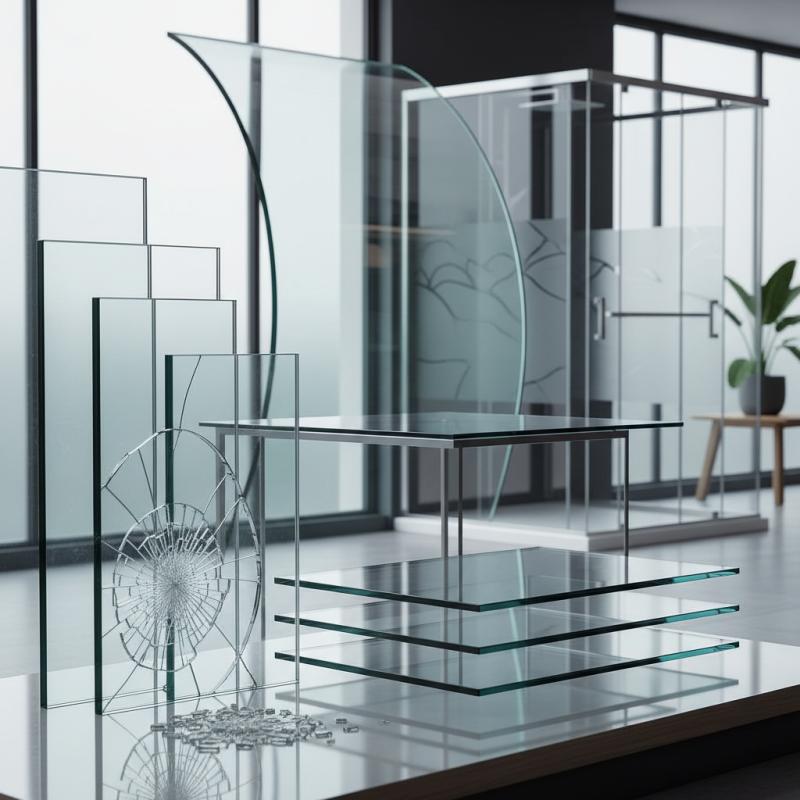
Tempered glass products have gained popularity globally. They are valued for their strength and resistance to thermal stress. Various types are available in the market, catering to diverse needs.
One common type is insulated glass units (IGUs). These consist of two or more glass panes separated by a spacer. IGUs improve energy efficiency and reduce noise. According to industry data, the global demand for IGUs is expected to grow by 8% annually until 2027.
Another popular option is laminated glass. It consists of layers of glass bonded with a plastic interlayer. This offers superior safety and sound insulation. Experts highlight that laminated glass can withstand significant impacts.
Tip: When selecting tempered glass, consider its intended application. Each product type has unique benefits. Don't overlook the importance of proper installation. Poor fitting can compromise safety and performance. Always consult a professional for guidance.
Switching gears, the aesthetic appeal of decorative tempered glass has surged. It can enhance design in residential and commercial spaces. This trend shows a consistent increase in demand, with forecasts indicating a 10% rise in the next few years. Buying tempered glass isn't just practical; it's an investment in your space's design and safety.
Top Brands for Tempered Glass Across Different Regions
When considering tempered glass products, it's essential to explore various brands around the world. Many regions have manufacturers that offer quality tempered glass with unique characteristics. Each brand tends to specialize in specific uses, such as architectural, automotive, or decorative applications. Buyers often seek products that combine strength with aesthetic appeal. This combination plays a crucial role in the growing popularity of tempered glass.
In Asia, several companies have gained recognition for their innovation and durability. Their products often undergo rigorous testing, ensuring safety and performance. Meanwhile, European manufacturers are known for their focus on design and functionality. These brands frequently present elegant solutions for modern homes and offices. Despite these strengths, some users have reported inconsistencies in quality, highlighting the importance of thorough research.
North American brands focus on sustainability, incorporating eco-friendly practices in their production. However, not every product lives up to the promise. Many buyers have experienced delays or issues with customer support. Global buyers must weigh the pros and cons of different regions. This approach helps ensure that their investment in tempered glass meets their needs and expectations.
Best Tempered Glass Products for Global Buyers
This chart represents the average sales figures of tempered glass products across different global regions, indicating market trends and regional preferences.
Factors to Consider When Purchasing Tempered Glass Products
When considering tempered glass products, buyers should evaluate several important factors. The thickness of the glass is crucial. Products typically range from 4mm to 19mm. Thicker glass offers greater strength and durability, especially in high-traffic areas. Meanwhile, clarity is another key consideration. Poor-quality glass can distort views and diminish aesthetics.
Safety certifications matter too. Look for products adhering to recognized standards, such as ASTM or ISO. These certifications validate manufacturing processes and ensure that the glass can withstand impact. A report by Smithers Pira highlights that the global tempered glass market is expected to reach $80 billion by 2025. This growth underscores the importance of choosing reliable suppliers.
Tips: Assess the warranty offered by the manufacturer. A robust warranty can indicate confidence in product longevity. Additionally, consider customization options. Tailored solutions can better meet your specific needs.
Reflecting on the variety of options can be overwhelming. Not all suppliers meet the same standards, and price does not always equate to quality. Evaluating product samples can help in making a more informed decision. Ensure you take the time to compare various offerings before finalizing your purchase.
Applications and Uses of Tempered Glass in Various Industries
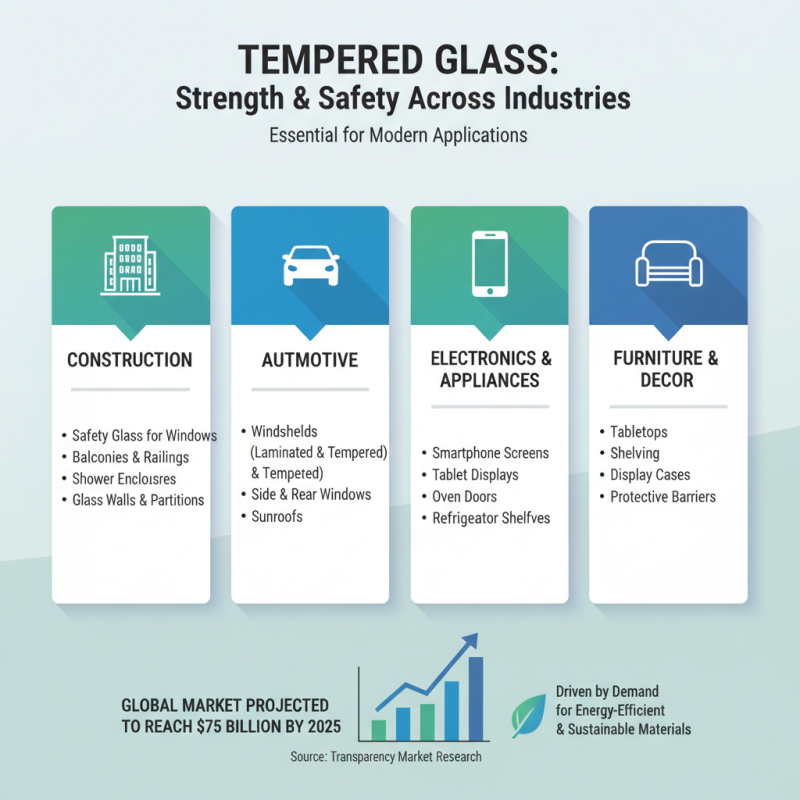
Tempered glass has become essential across various industries due to its strength and safety features. One significant application is in the construction sector. According to a report by Transparency Market Research, the global tempered glass market is projected to grow significantly, reaching about $75 billion by 2025. This growth reflects a rising demand for energy-efficient and sustainable building materials.
In the automotive industry, tempered glass is crucial for windshields and windows. Its resistance to shattering enhances passenger safety. A study by MarketsandMarkets indicates the automotive glass market, which includes tempered glass, will expand at a CAGR of over 6% from 2021 to 2026. This reflects a focus on safety and innovation in vehicle design.
However, the production of tempered glass is not without challenges. The manufacturing process requires precise control of temperature and cooling rates. Improper techniques can lead to critical weaknesses in the product. Hence, industry standards and quality control measures are vital. Stakeholders must advocate for stricter regulations to ensure product reliability and customer safety.


 Phone
Phone Send Email
 whatsapp
 Facebook