What is Bipv Solar Facade Glass and Its Benefits for Businesses?
Bipv Solar Facade Glass is revolutionizing the architectural industry. It merges aesthetics with functionality, making buildings energy efficient. According to a report by the International Energy Agency, integrating solar technologies in building facades can increase energy production by up to 30%.
Industry expert Dr. Jane Hollis states, “Bipv Solar Facade Glass is a game changer, turning passive structures into active energy producers.” This innovation not only enhances design but also supports sustainability goals. As businesses face rising energy costs and environmental regulations, Bipv offers a viable solution.
However, challenges exist. Initial installation costs can be high. The need for skilled professionals and proper integration with existing designs poses additional hurdles. Despite these issues, the long-term savings and energy benefits make Bipv Solar Facade Glass an attractive option for forward-thinking companies. Achieving energy efficiency has never been more crucial, and this technology presents a unique opportunity.
What is BIPV Solar Facade Glass?
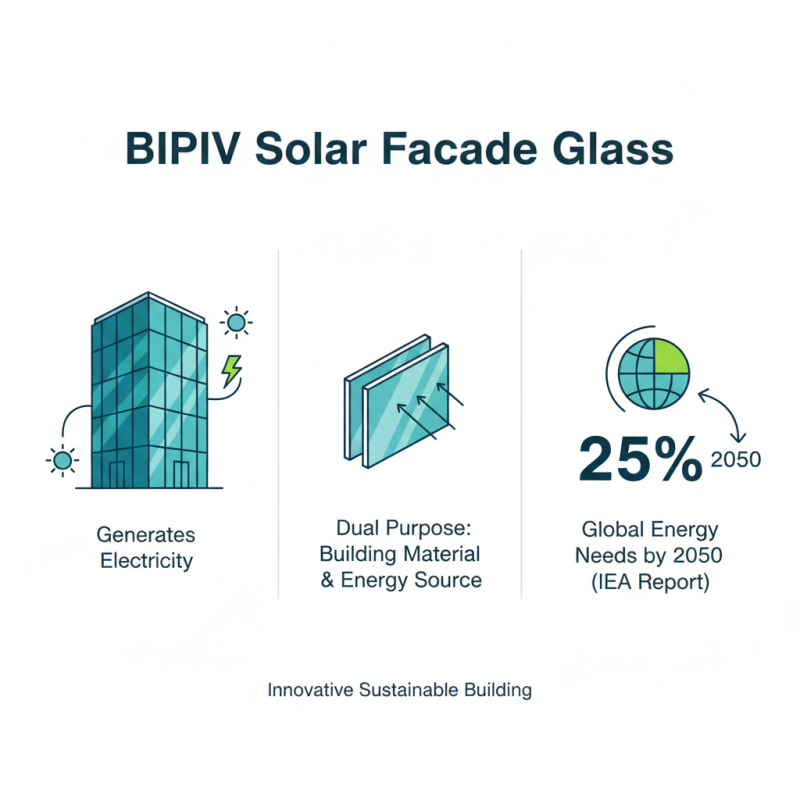
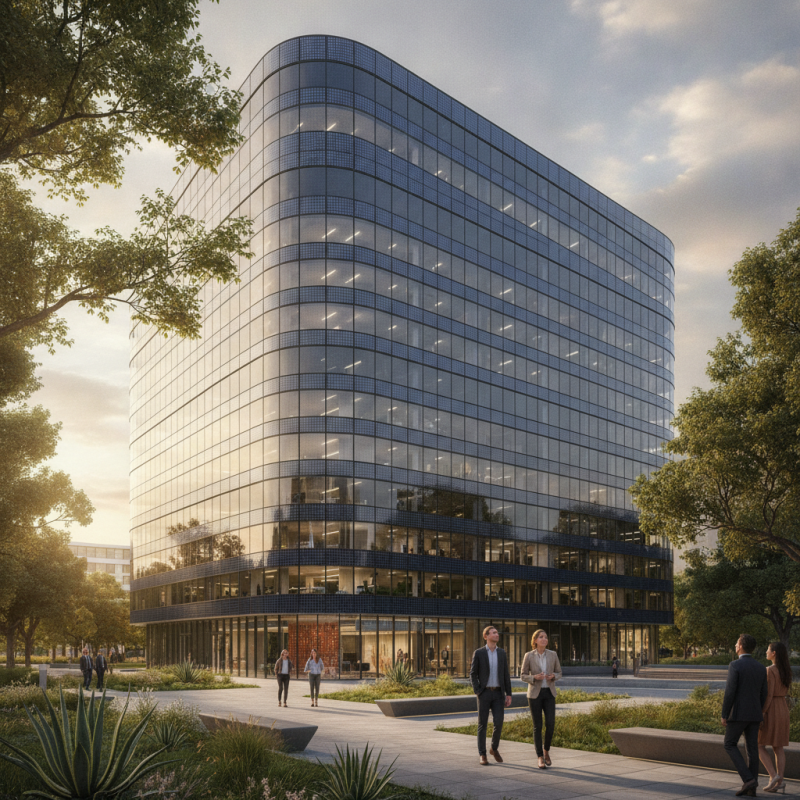
BIPV (Building-Integrated Photovoltaics) solar facade glass is an innovative technology that integrates solar energy generation directly into the building envelope. Unlike traditional photovoltaic panels, BIPV panels serve dual purposes: they act as functional building material while generating electricity. A report by the International Energy Agency (IEA) predicts that BIPV could provide around 25% of global energy needs by 2050. This statistic underscores its potential impact on sustainable building practices.
The design of BIPV glass allows it to blend into the aesthetic of buildings. This seamless integration can enhance a building's attractiveness while being energy-efficient. Additionally, a research study published in the Journal of Renewable and Sustainable Energy highlighted that BIPV systems could reduce a building's energy costs by up to 30%. The use of this technology not only lowers electricity bills, but it also contributes to a more sustainable urban environment.
Despite these benefits, the adoption of BIPV solar facade glass is not without challenges. High initial costs and technical expertise are significant barriers for many businesses. Proper installation and building orientation significantly influence energy generation, which can lead to inefficiencies if not managed correctly. As the industry evolves, more research is necessary to address these issues and improve product reliability. However, the potential rewards make this technology worth exploring.
Advantages of BIPV Solar Facade Glass for Businesses
BIPV solar facade glass is transforming the architectural space. It integrates photovoltaics within building facades, generating energy while providing aesthetic value. According to a report by the International Energy Agency (IEA), BIPV solutions can reduce energy costs by up to 40% in commercial buildings. This shift towards energy efficiency is crucial for businesses aiming to lower operational expenses.
The adoption of BIPV glass also boosts corporate sustainability efforts. A survey conducted by the World Green Building Council revealed that 79% of businesses recognize the importance of sustainability in their operations. Not only does BIPV contribute to reducing the carbon footprint, but it also enhances the building’s value. This holistic approach attracts environmentally conscious clients and investors.
Tips: Consider the orientation of your building. It can maximize solar exposure and increase energy output. Also, weigh the installation costs against long-term savings. Sometimes, initial investments appear high, yet the return can be significant over time. Reflecting on these aspects can provide a clearer picture of BIPV’s potential in your business strategy.
Advantages of BIPV Solar Facade Glass for Businesses
This chart illustrates the key advantages of BIPV solar facade glass for businesses. It highlights energy savings, aesthetic appeal, land use efficiency, carbon footprint reduction, and return on investment, showcasing the overall benefits that these systems can provide.
Economic and Environmental Benefits of BIPV Solar Facades
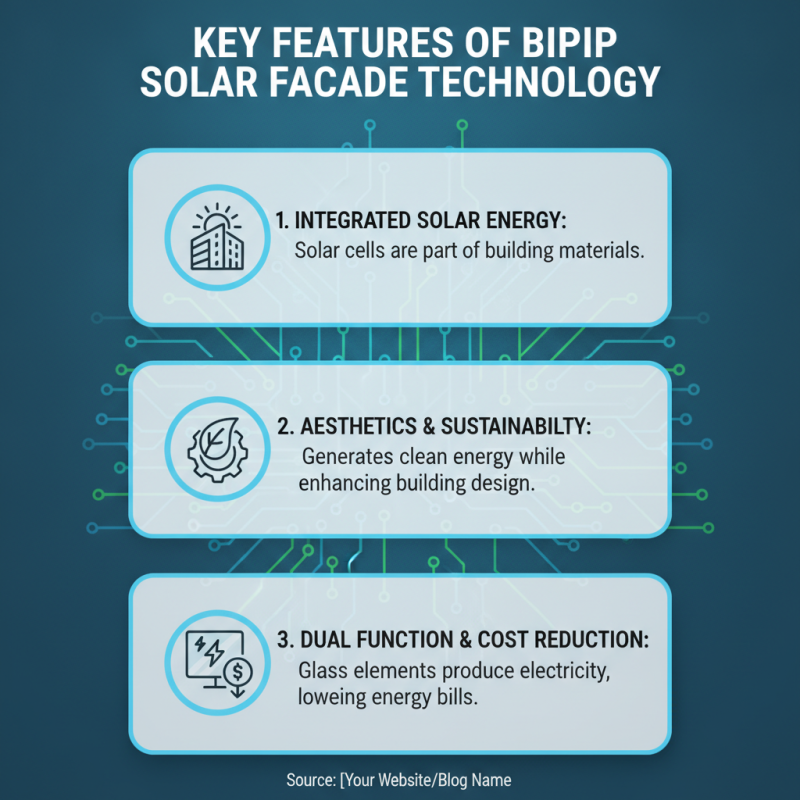
BIPV solar facades offer remarkable economic benefits for businesses. They can significantly reduce energy costs. These innovative glass systems generate renewable energy while serving as building envelopes. Companies can save on utility bills due to this dual functionality. Additionally, BIPV facades can increase property values. Buildings equipped with solar technology tend to be more attractive to investors.
The environmental advantages are equally compelling. BIPV facades help reduce carbon emissions. By harnessing sunlight, businesses contribute to a cleaner environment. This aligns with sustainability goals. However, installation costs can be high, and maintenance might pose challenges. Business owners should evaluate the long-term gains versus initial investments.
Integrating BIPV solar facades into buildings can also enhance aesthetic appeal. They provide a modern look while promoting energy efficiency. Yet, the technology is still evolving, and some designs may underperform. Continuous research is necessary to maximize their potential. Adopting BIPV technology demands careful consideration and planning.
Case Studies: Successful Implementation of BIPV in Commercial Buildings
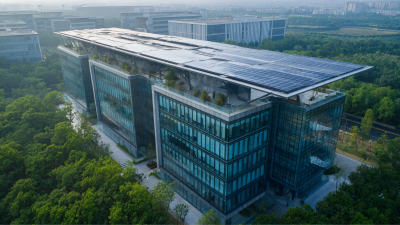
BIPV solar facade glass is revolutionizing commercial architecture. Several businesses have adopted this innovative technology, showcasing its potential. For instance, a high-rise office in a bustling urban area integrated BIPV glass into its design. This addition not only enhanced aesthetics but also generated substantial renewable energy. The building's owners reported a reduction in energy costs by 30%. It drew more tenants interested in sustainability.
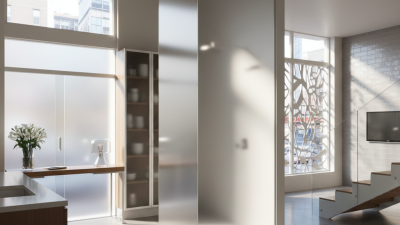
Another case involved a retail space, where BIPV glass served as both a façade and an energy source. Visitors appreciated the natural light that flooded the interior. This setup improved customer experience and boosted sales. Challenges included initial costs and the need for specialized expertise for installation. However, the long-term benefits were worth the investment.
In a unique example, a cultural center utilized BIPV to promote environmental awareness. The glass displays dynamic patterns that change with the sunlight. This creativity sparked conversations about sustainability in the community. Though the project faced delays, the outcome was impressive. These cases highlight the versatility of BIPV solar glass and its transformative impact on businesses.


 Phone
Phone Send Email
 whatsapp
 Facebook