How to Choose and Maintain Self-Cleaning Glass for Your Home or Office
When it comes to modern architecture and interior design, the advent of Self-Cleaning Glass has revolutionized the way we think about windows and facades in both homes and offices. This innovative material not only enhances aesthetic appeal but also significantly reduces the burden of maintenance. The unique properties of Self-Cleaning Glass utilize advanced coatings that harness the power of nature, such as sunlight and rain, to break down dirt and grime. This allows homeowners and office managers to enjoy cleaner surfaces with minimal effort.
Choosing the right Self-Cleaning Glass for your space involves understanding its benefits and the various options available on the market. Factors such as energy efficiency, UV protection, and the type of coating can impact your decision. Furthermore, maintaining Self-Cleaning Glass is essential to maximize its performance and longevity. Proper care techniques can ensure that your glass performs optimally, maintaining both clarity and functionality over time. In this guide, we will explore how to select the best Self-Cleaning Glass for your needs and provide tips for maintaining it effectively, helping you create a more inviting and low-maintenance environment.
Understanding the Benefits of Self-Cleaning Glass for Your Space
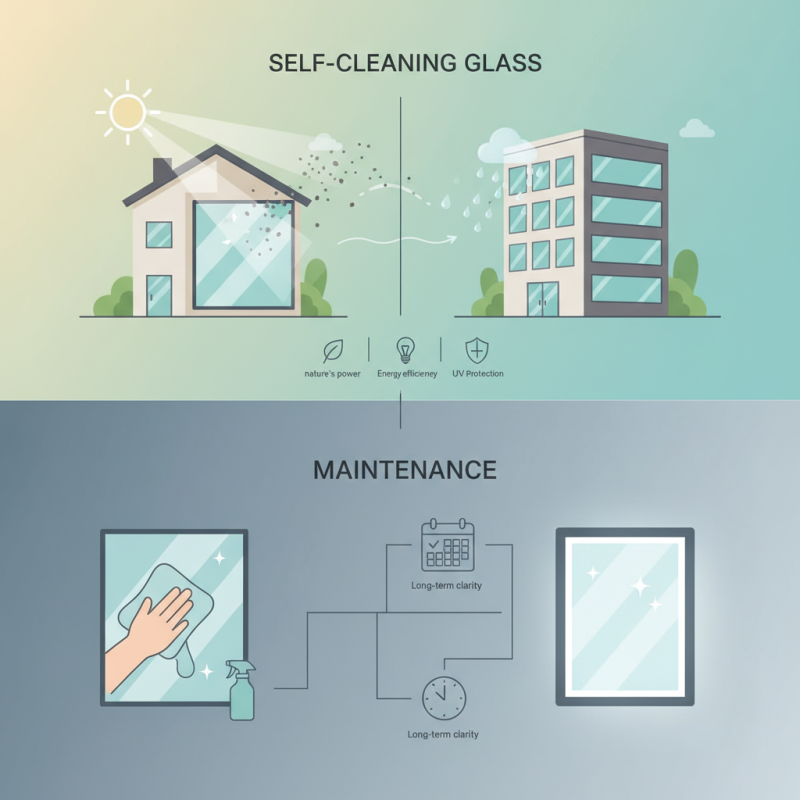
Self-cleaning glass has emerged as a game-changer for maintaining clean and clear interiors in both homes and offices. Its self-cleaning technology utilizes a special coating that reacts with sunlight to break down dirt and grime, allowing rainwater to wash away the residues. According to recent industry reports, the installation of self-cleaning glass can lead to significant reductions in maintenance costs, especially for high-rise buildings that require frequent window cleaning.
When considering self-cleaning glass for your space, it is crucial to evaluate the quality of the coating and the glass type. High-quality self-cleaning glass will not only offer better durability but also enhanced energy efficiency due to its reflective properties. Moreover, integrating self-cleaning glass into your design can effortlessly boost natural lighting, improving mood and productivity in the workspace.
Tips: To maximize the benefits of self-cleaning glass, ensure proper installation to avoid any gaps that could trap dirt. Regularly inspecting the glass for any cracks or damage will also help maintain its effectiveness. Additionally, consider the orientation of your windows, as those that receive ample sunlight will perform better in self-cleaning capabilities.
Types of Self-Cleaning Glass Available on the Market
When considering self-cleaning glass for your home or office, it’s crucial to understand the different types available on the market. The primary categories include photocatalytic and hydrophilic self-cleaning glasses. Photocatalytic glass uses UV light to activate a chemical reaction that breaks down organic dirt and grime, making it easy to wash away with rainwater. This type is particularly effective in urban environments, where air pollution can contribute to grime accumulation. According to a 2021 industry report, photocatalytic surfaces can reduce cleaning times by up to 50% compared to traditional glass.
On the other hand, hydrophilic self-cleaning glass works by creating a microscopic film that allows water to spread evenly across its surface. This feature helps wash away dirt more effectively during rain showers. A recent study highlighted that hydrophilic coatings could lower the frequency of manual cleaning by 30-60%, offering lasting benefits for both residential and commercial property owners.
**Tips:** When selecting self-cleaning glass, consider your specific environmental conditions. For instance, homes in areas with frequent rainfall may benefit from hydrophilic options, whereas urban settings with more pollutants might find photocatalytic glass more advantageous. Additionally, ensure proper installation to maximize the self-cleaning properties and consult manufacturers for warranties and longevity data. Taking these factors into account can enhance the performance and durability of your self-cleaning glass installations.
Factors to Consider When Choosing Self-Cleaning Glass
When choosing self-cleaning glass for your home or office, several key factors should be considered to ensure optimal performance and durability. One of the primary aspects is the coating technology used on the glass. Self-cleaning glass typically features a special hydrophilic coating that helps to break down organic dirt and allows rainwater to wash away the residues. It's essential to verify the type and quality of the coating, as this directly affects the effectiveness and longevity of the self-cleaning properties.
Another important consideration is the intended application of the glass. Different environments may impose varying requirements on the glass's performance. For example, exterior windows may need a more robust coating to withstand harsher weather conditions, while interior glass surfaces might prioritize aesthetics. Additionally, it’s crucial to consider solar control properties and UV resistance, as these can impact energy efficiency and indoor comfort. Evaluating factors such as warranty and maintenance recommendations from manufacturers can also guide your decision, ensuring that the selected self-cleaning glass meets both functional and aesthetic needs.
Best Practices for Maintaining Your Self-Cleaning Glass
When it comes to maintaining self-cleaning glass, implementing best practices can significantly enhance its performance and durability. According to a report by the Glass Association, using UV light and environmental factors like rain can effectively remove dirt and grime from self-cleaning surfaces, reducing the need for conventional cleaning. However, periodic maintenance is crucial—experts recommend a light cleaning every six months to ensure optimal functionality.
In addition to regular maintenance, it's essential to choose the right cleaning products. Many manufacturers advise against abrasive cleaners or tools, as these can damage the coating. Instead, using a soft cloth and a pH-neutral soap solution can preserve the integrity of the self-cleaning technology.
Furthermore, ensuring that the glass surface is not covered with excessive debris is vital. A study highlighted that neglecting to remove large particles can impede the self-cleaning process, ultimately leading to less effective results. By adhering to these best practices, homeowners and businesses can maximize the advantages of their self-cleaning glass installations.
Common Misconceptions About Self-Cleaning Glass Care
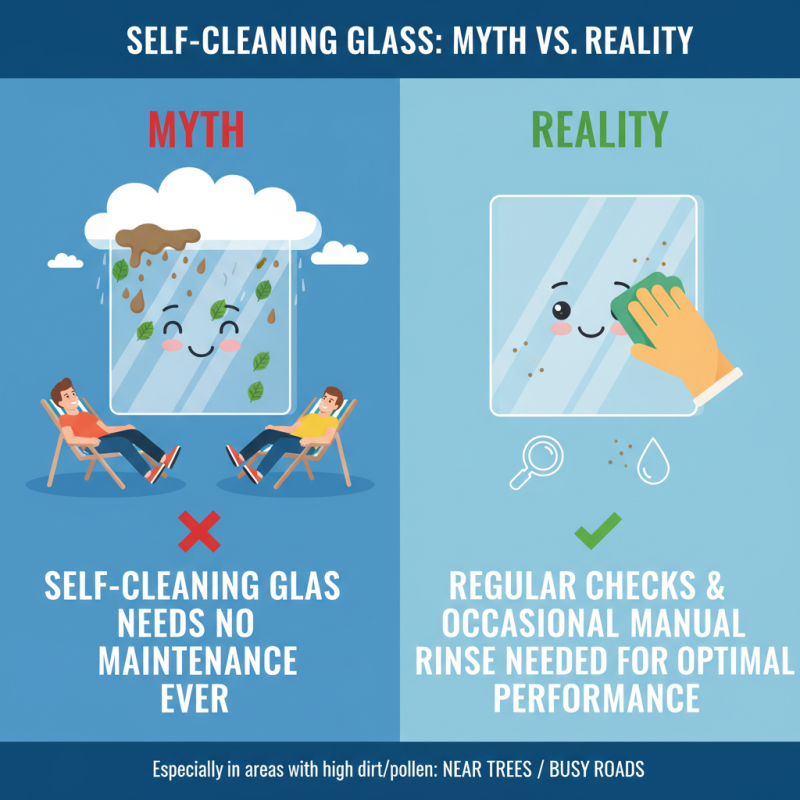
Many people hold misconceptions about the care and maintenance of self-cleaning glass, leading to misunderstandings about how it works. One common myth is that self-cleaning glass requires no maintenance whatsoever. While it's true that this innovative material significantly reduces the need for frequent cleaning, it does not eliminate it entirely. Regular checks and occasional manual cleaning are still necessary to ensure that the glass performs optimally, especially in areas prone to dirt accumulation, such as near trees or roadways.
Another misconception is that self-cleaning glass can clean itself in any weather condition. In reality, the cleaning process is highly dependent on sunlight and rain. The glass uses a special coating that activates under UV light, breaking down organic dirt. Thus, while rain helps to wash away the loosened debris, prolonged cloudy weather may hinder the effectiveness of the self-cleaning mechanism. Home and office owners should be aware that regular inspections, combined with basic upkeep, will enhance the longevity and functionality of their self-cleaning glass, leading to better results in maintaining a clean and clear view.


 Phone
Phone Send Email
 whatsapp
 Facebook