Why Choose Sandblasted Glass for Your Next Project?
Sandblasted Glass has become a popular choice in various industries, especially in architectural design and interior decoration. According to a recent report by Markets and Markets, the global decorative glass market is projected to reach USD 9.5 billion by 2025, with sandblasted glass making substantial contributions. This material provides unique aesthetic appeal while ensuring functionality.
Incorporating Sandblasted Glass into your projects offers more than just beauty. Its customizable designs allow for personalized touches that reflect the client's vision. The texture can diffuse light effectively, creating a soft ambiance. However, it's essential to consider certain challenges as well. Sandblasted surfaces may require more maintenance than traditional glass. Proper cleaning and handling are crucial to maintain its visual appeal.
Clients should also weigh the cost implications. Sandblasted Glass may be more expensive upfront, but its lasting durability often justifies the investment. The combination of style and substance makes it a formidable choice for modern projects. By embracing Sandblasted Glass, you elevate your work while embracing contemporary trends in design.
Benefits of Sandblasted Glass in Architectural Design
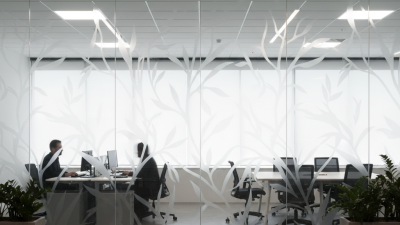
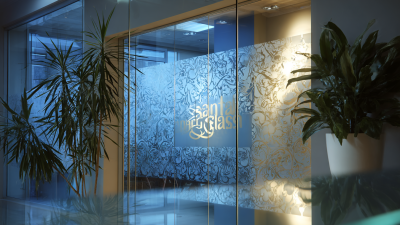
Sandblasted glass offers unique benefits in architectural design. Its textured surface creates a pleasing aesthetic that diffuses light. This feature enhances privacy in spaces like offices and homes. Architects appreciate how it reduces glare while maintaining natural light levels.
Tips for selecting sandblasted glass include considering thickness and opacity. Thicker panels offer better durability, especially in high-traffic areas. Opacity affects light transmission. Choose a level that suits the specific needs of your project. Testing different textures can lead to unexpected outcomes.
Another aspect to consider is the maintenance of sandblasted glass. It may require more care than standard glass. Regular cleaning with non-abrasive agents is essential. Be cautious with harsh chemicals as they can damage the surface. This consideration is vital for ensuring long-lasting beauty. Overall, embracing the qualities of sandblasted glass can yield both functional and aesthetic rewards.
Distinctive Aesthetic Appeal of Sandblasted Glass Surfaces
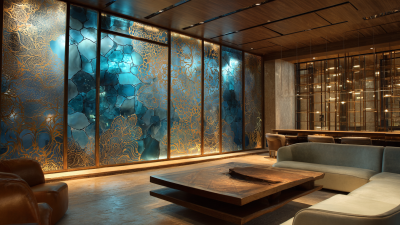
Sandblasted glass presents a uniquely appealing aesthetic that enhances any space it occupies. The textured surface draws the eye, providing a sophisticated touch. According to a recent report by the Glass Association, the market for architectural glass, including sandblasted options, is projected to reach $25 billion by 2025. This trend reflects a growing appreciation for innovative materials that marry functionality with design.
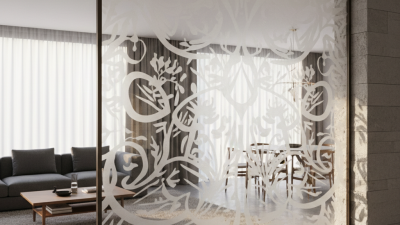
One reason for the rising popularity of sandblasted glass is its versatility. It can be used in various settings, from residential to commercial. Designers appreciate its ability to diffuse light while ensuring privacy. The delicate interplay of light and shadow creates a warm atmosphere, making spaces feel more inviting. However, achieving the perfect texture often requires skill and experience. If not done correctly, the results can be less than ideal, with uneven surfaces that undermine the intended design.
Furthermore, maintaining sandblasted glass can be challenging. While its texture adds beauty, it also tends to collect dust and fingerprints more easily than smooth glass. Regular cleaning might be necessary to preserve its aesthetic. Despite these challenges, the overall impact of sandblasted glass surfaces can transform environments dramatically. Investing in this medium can yield rich rewards in terms of style and ambiance, as long as careful consideration is given to the design and maintenance processes.
Why Choose Sandblasted Glass for Your Next Project?
| Feature |
Description |
Advantages |
Applications |
| Aesthetic Appeal |
Provides a unique, frosted appearance that enhances visual privacy while still allowing light to pass through. |
Enhances interior design, modern look, and feels upscale. |
Office walls, shower doors, decorative partitions. |
| Durability |
Sandblasted surfaces are resistant to scratches and fingerprints compared to clear glass. |
Long-lasting, lower maintenance. |
Exterior facades, high-traffic areas. |
| Customization |
Can be tailored with patterns, logos, or specific designs to match project needs. |
Personalized touch, branding opportunities. |
Retail displays, brand installations. |
| Light Diffusion |
Softens and diffuses light, reducing glare. |
Creates a pleasant atmosphere, improves comfort. |
Residential spaces, hospitality environments. |
Durability and Maintenance Considerations for Sandblasted Glass
When considering materials for construction or design projects,
sandblasted glass stands out for its
durability. Studies indicate that properly treated
sandblasted glass can withstand significant impact, boasting a compressive strength nearly
20% higher than standard glass. This property is crucial for installations where
safety is paramount, such as in schools or public buildings.
Maintenance is another critical factor. Sandblasted glass requires less frequent
cleaning compared to other finishes. The textured surface can hide minor smudges and fingerprints.
Reports suggest that maintenance costs for sandblasted surfaces can be up to
30% lower over five years, making it appealing for long-term projects.
Tips: For proper care, routinely use a soft cloth to minimize
scratches. Avoid harsh chemicals, as they can damage the surface over time. Consider the
environment where the glass will be installed, as
humidity and temperature fluctuations can affect longevity. Regular inspection will help catch
any potential issues early, ensuring that your investment remains in excellent condition.
Properly installed, sandblasted glass elements can elevate
both functionality and aesthetic within your project.
Applications of Sandblasted Glass in Various Industries
Sandblasted glass finds diverse applications across multiple industries. In architectural design, it serves as an elegant addition. Offices use it for privacy without sacrificing natural light. The frosted appearance also softens stark angles in modern aesthetics.
In the hospitality sector, sandblasted glass enhances ambiance. Restaurants use it in room dividers and signage. It creates intimate dining experiences while maintaining an open feel. Hotels often incorporate it in bathroom enclosures, pairing functionality with style. However, the durability of the sandblasted surface can be a concern. Regular maintenance is crucial to keep it looking pristine.
Moreover, artistic ventures utilize sandblasted glass for custom projects. Artists create stunning installations that draw attention. Yet, the technique requires skill and precision. Errors in sandblasting can lead to uneven surfaces or unintended patterns. Each project reflects the balance between creativity and craftsmanship. Choosing sandblasted glass can elevate design, but it demands thoughtful consideration.
Comparing Sandblasted Glass to Other Glass Finishing Options
When considering glass finishing options for your project, sandblasted glass stands out. Unlike polished or clear glass, sandblasted glass provides an opaque finish that diffuses light while maintaining privacy. This unique characteristic can enhance residential and commercial spaces alike.
A report by the Glass Association highlights that sandblasted glass reduces glare by up to 30% compared to regular glass. This makes it an excellent choice for office environments where reducing eye strain is crucial. Additionally, sandblasting creates a textured surface that can help hide fingerprints and smudges, requiring less maintenance over time. This can be particularly appealing for busy professionals.
Tips: For optimal results, consider the thickness of your glass. Thicker glass can provide better sound insulation, contributing to a quieter space. Always consult with professionals to ensure proper installation.
While sandblasted glass offers numerous benefits, it’s important to note that the process can be irreversible. You may want to consider this if you foresee any future design changes. Combining sandblasted glass with other finishes can create visually striking contrasts, but the permanence of sandblasting can limit flexibility. Thoughtful planning is crucial to avoid future regrets.
Advantages of Sandblasted Glass vs. Other Glass Finishing Options


 Phone
Phone Send Email
 whatsapp
 Facebook