How to Choose the Best Touch Screen Cover Glass for Your Needs?
Choosing the right Touch Screen Cover Glass is crucial for device functionality and longevity. Industry expert Dr. Emily Chen states, "The right glass can significantly enhance user experience." With varying types of cover glass available, selecting the best option can be overwhelming.
Touch Screen Cover Glass comes in several materials and finishes. Each has unique properties, affecting clarity, durability, and touch sensitivity. For example, tempered glass is known for its strength and scratch resistance. However, some users may find it heavier than alternatives. It's essential to weigh these factors based on personal priorities.
Investing in quality cover glass can prevent long-term damage to your devices. Users often overlook how vital this choice is until they face issues like scratches or screens shattering. It’s crucial to consider your usage patterns and environment. A thoughtful selection process ensures that you can enjoy a seamless experience with your touch devices.

Understanding Touch Screen Cover Glass: Types and Features
When choosing touch screen cover glass, understanding its types and features is vital. Glass used in touch screens can vary significantly in composition and quality. Corning's data shows that over 80% of consumers prefer high-quality glass for durability.
Tempered glass, for instance, undergoes a special heating process. This results in better impact resistance compared to standard glass. It can withstand drops better, ensuring longer device life.
Another type to consider is Gorilla Glass, known for its scratch resistance. According to a report from Market Research Future, around 60% of smartphones now use this glass. This material offers a great balance between flexibility and strength. However, some users claim that Gorilla Glass is prone to shattering under specific conditions, which raises questions about its reliability.
Furthermore, the surface finish can affect usability. Matte finishes reduce glare but may feel less responsive. Glossy surfaces provide clear visuals but can attract fingerprints easily. User experience varies widely, with individual preferences shaping their choices. Not all touch screen cover materials are created equal, and it's essential to weigh the pros and cons based on your specific needs.
Evaluating Durability: Materials Used in Touch Screen Cover Glass
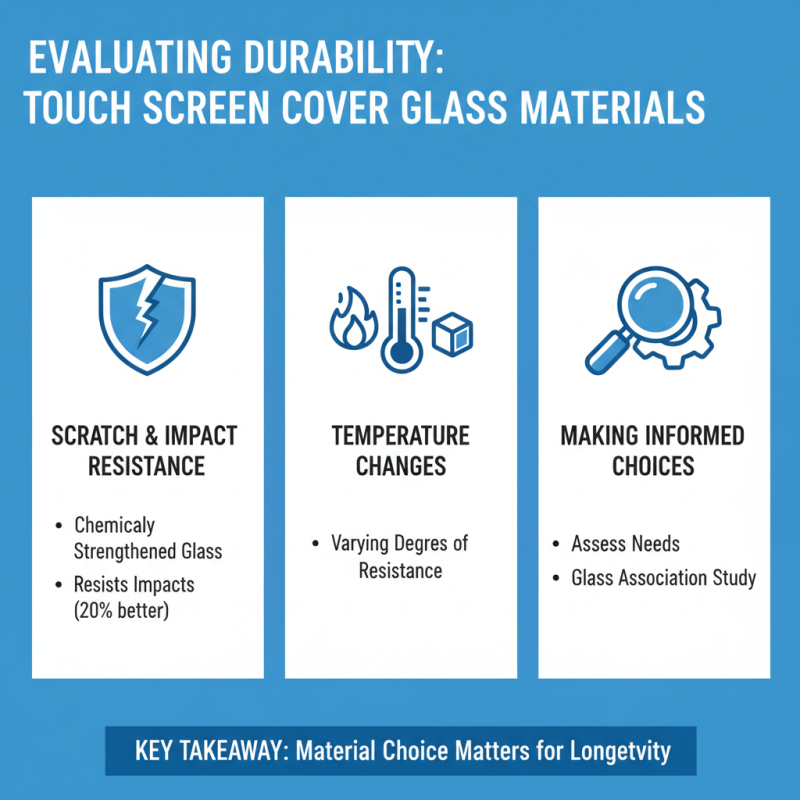
When selecting touch screen cover glass, evaluating material durability is crucial. Different materials exhibit varying degrees of resistance to scratches, impacts, and temperature changes. For instance, chemically strengthened glass often ranks high in durability tests. A study by the Glass Association indicates that this type of glass can withstand impacts up to 20% better than standard glass. Understanding these materials helps users make informed decisions based on their needs.
Another critical aspect is the thickness of the cover glass. A report by TechInsights shows that increasing thickness can improve durability but may also affect sensitivity. Users often seek a balance between protection and usability. Thinner covers may feel more responsive but can be prone to damage. This dichotomy requires careful consideration, especially in environments with higher risks of damage.
Ultimately, personal usage patterns influence the best choice of cover glass. Outdoor use, for example, may necessitate tougher materials. On the contrary, if the device primarily stays indoors, a lighter option could suffice. Each scenario offers unique challenges that should not be overlooked in the selection process. Prioritizing durability without sacrificing functionality remains an ongoing challenge in the quest for the perfect touch screen cover glass.
Selecting the Right Thickness for Your Touch Screen Cover Glass
When selecting the right thickness for touch screen cover glass, understanding your needs is essential.
Thicker glass can provide enhanced durability. For instance, a report by ID Tech Ex found that screens with a thickness of 2.5 mm offer superior resistance to impacts compared to 1.0 mm glass. However, this added strength may come at the cost of weight and device thickness, which can affect user experience.
On the other hand, opting for thinner glass can improve responsiveness and touch sensitivity. Research shows that a 0.7 mm thick glass can maintain high optical clarity while minimizing weight. This is crucial for devices where sleek design matters. Yet, thinner materials can be vulnerable to scratches and cracks, raising concerns about long-term durability. It’s a delicate balance between protection and performance.
Ultimately, it's important to reflect on your specific use case. If your device endures heavy use, consider thicker options. Conversely, for everyday consumer devices, slightly thinner glass may suffice. Always weigh the trade-offs between durability, touch sensitivity, and overall design before making your choice.
Assessing Compatibility with Your Device: Size and Fit Considerations
When selecting a touch screen cover glass, assessing compatibility with your device is crucial. The dimensions and fit must precisely match your device to avoid issues. Industry reports suggest that nearly 30% of customers face difficulties due to improper sizing. This often leads to screen sensitivity problems or misalignment, impacting the overall user experience.
Measuring the screen size and checking specifications is the first step. For instance, if a device has a 5.5-inch display, the cover glass should mirror that measurement closely. Many users overlook minor decimal differences. A mismatch of just a few millimeters can result in significant installation challenges, which can frustrate users. Furthermore, the design of the device edges can complicate the selection process, as not all covers are designed for curved screens.
Additionally, you should consider the thickness of the glass. Thicker options provide better protection, but they may not always fit snugly. Inadequate fit may lead to touchscreen errors or accidental touches, which can be annoying. Reports indicate that up to 20% of consumers experience these tactile discrepancies. This only underscores the importance of ensuring a precise match between the cover glass and device dimensions. This attention to detail can significantly enhance functionality and satisfaction.
How to Choose the Best Touch Screen Cover Glass for Your Needs?
This chart illustrates the compatibility factors to consider when selecting the best touch screen cover glass, focusing on size, fit, and suitability for different device types.
Essential Features to Look for in Touch Screen Cover Glass
When choosing touch screen cover glass, essential features play a crucial role. The glass should be durable, preferably with scratch-resistant capabilities. This will protect your device from everyday wear and tear. Look for tempered glass, which often provides better strength. You want a cover that can withstand accidental drops, saving you from costly repairs.
Another important aspect is clarity. The touch screen cover glass should offer high transparency. This ensures that your display remains bright and vibrant. Poor quality glass can affect visibility and color accuracy. Additionally, consider the thickness of the glass. While thicker glass might offer better protection, it can also impact touch sensitivity. Striking a balance is key.
Finally, check for anti-fingerprint properties. Touch screens can quickly gather smudges, making them less enjoyable to use. A cover that resists fingerprints can enhance your experience. Keep in mind that not all products meet these expectations. Some may compromise on quality for price. Researching and understanding your needs is essential for making the right choice.


 Phone
Phone Send Email
 whatsapp
 Facebook