How to Choose Custom Tempered Glass for Household Appliances?
The rising demand for Custom Tempered Glass for Household Appliances reflects a dynamic shift in consumer preferences. According to industry reports, the tempered glass market is projected to grow significantly, with an estimated CAGR of 5% over the next five years. This trend highlights a growing appreciation for aesthetics, safety, and durability in home appliances.
When selecting custom tempered glass, several factors come into play. The glass must not only adhere to safety standards but also complement the appliance's design. Reports indicate that over 70% of consumers prioritize glass quality, especially for kitchen and bath applications. However, making the right choice can be daunting, given the variety of options available.
The balance between functionality and style remains crucial. Not all tempered glass meets the rigorous demands of household use. Potential buyers should reflect on their specific needs and the glass's intended function. Quality and performance should guide these decisions, rather than just aesthetic appeal. Ultimately, understanding how to choose custom tempered glass is essential for both safety and satisfaction.
Benefits of Using Custom Tempered Glass in Household Appliances
Custom tempered glass offers multiple benefits for household appliances. It enhances durability, safety, and aesthetics. This type of glass undergoes a heating and cooling process, making it up to five times stronger than standard glass. It's resistant to thermal shock, making it ideal for kitchen use. A shattered tempered glass will break into small, blunt pieces, minimizing injury risks.
When selecting custom tempered glass, consider the appliance type and its environment. For example, ovens and stovetops require thicker glass for better heat resistance. Aesthetics matter too. The right texture and tint can elevate your kitchen's design. Don't overlook the importance of exact measurements. A small error can lead to installation issues.
Tips: Always ask about the glass certification. This ensures that it meets safety standards. Look for companies that offer expertise in custom designs. They can guide you through the options available, ensuring you make an informed choice. It’s wise to seek samples before making a decision. These small steps can significantly impact your final choices.
How to Choose Custom Tempered Glass for Household Appliances?
| Feature |
Description |
Benefits |
| Safety |
Tempered glass is made by heating and cooling the glass to increase its strength compared to regular glass. |
Minimizes the risk of injury if broken, as it shatters into small, less harmful pieces. |
| Durability |
Resistant to thermal stresses and impacts due to its manufacturing process. |
Longer lifespan in household appliances subjected to frequent temperature changes. |
| Aesthetic Appeal |
Custom designs and finishes available, allowing for seamless integration into home decor. |
Enhances the visual appeal of appliances, making them more attractive. |
| Easy Maintenance |
Smooth surface makes it easy to clean and maintain. |
Saves time and effort in cleaning household appliances. |
| Customization Options |
Available in various sizes, thicknesses, and colors to suit specific appliance needs. |
Allows for personalized solutions that fit tightly within existing designs. |
Factors to Consider When Choosing Tempered Glass Specifications
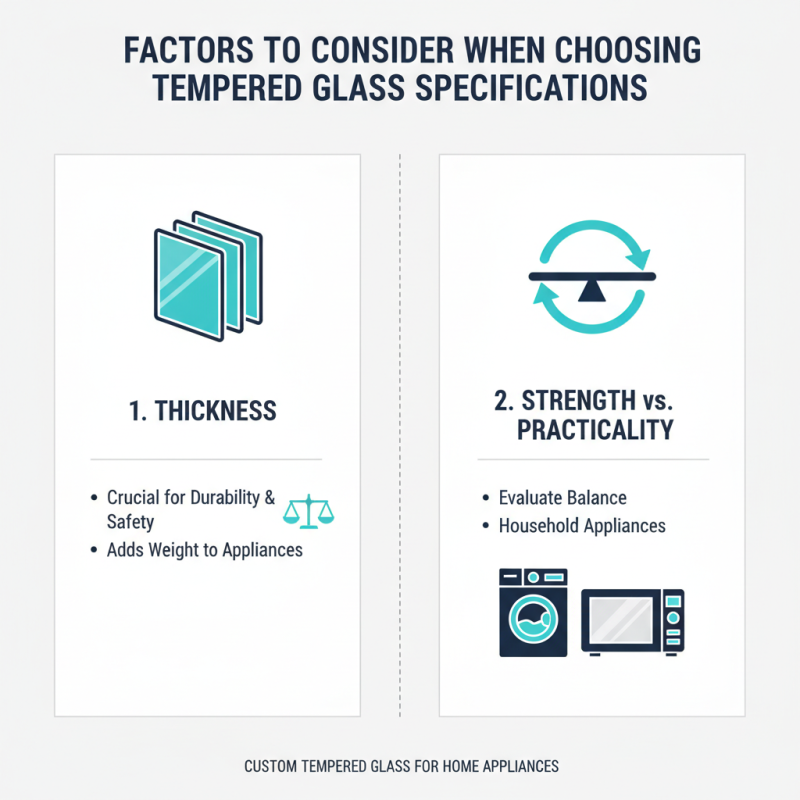
When selecting custom tempered glass for household appliances, several factors must be considered. The thickness of the glass is crucial. Thicker glass provides better durability and safety. However, it can also add weight to your appliances. Evaluate the balance between strength and practicality.
Another important aspect is the surface treatment. Frosted or tinted options can enhance aesthetics and reduce glare. But these finishes may also affect visibility or cleaning ease. It's vital to weigh the benefits against potential drawbacks. Additionally, consider the glass's thermal resistance. Appliances like ovens and cooktops require glass that can withstand high temperatures. Choose a specification that fits the intended use.
Don’t overlook the edgework detail. Polished edges can give a sleek look and prevent chipping. Conversely, raw edges might save cost but could lead to safety issues. Test how each option aligns with your requirements. Make informed decisions by gauging the implications of each specification. The right glass can enhance functionality and style, but it requires careful consideration.
Types of Tempered Glass Suitable for Different Appliances
When selecting custom tempered glass for household appliances, understanding the types available is crucial. Tempered glass is known for its strength and safety. There are various types suited for specific applications. For instance, low iron tempered glass has excellent clarity, ideal for ovens and stovetops. This type minimizes tint and offers better visibility.
Another common option is heat-strengthened glass, used in coffee makers and dishwashers. This glass can withstand thermal stress but may not break as safely as tempered glass. According to industry reports, the demand for tempered glass in appliances has surged by 30% over the last five years, indicating a shift towards safer options in home technology.
Tip: Ensure you measure your appliance’s dimensions accurately. Custom glass should fit perfectly. Dimensions should be taken multiple times to avoid costly mistakes.
Laminated tempered glass is also an option, often used for refrigerator doors. It provides extra safety as it holds together when shattered. However, it can be more expensive. Considering your budget is vital, as reported costs for tempered glass can vary significantly based on quality and thickness.
Tip: Research local suppliers for quotes. Prices and availability can differ greatly by region. Collect multiple opinions to gauge your options effectively.
Understanding the Manufacturing Process of Custom Tempered Glass
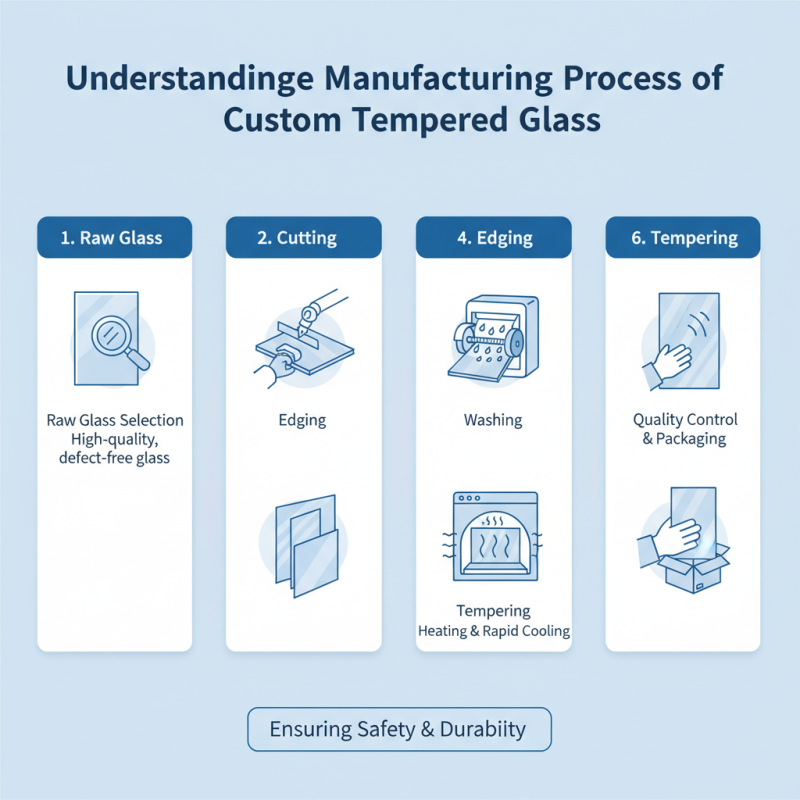
The manufacturing process of custom tempered glass involves several critical steps that ensure safety and durability. It begins with selecting the right type of raw glass. Quality matters here. The glass must be free of defects to avoid issues later.
Next, the raw glass is cut to size. Precision is key in this stage. Any miscalculations can lead to unusable pieces. After cutting, the glass undergoes a cleaning process. This ensures that any contaminants do not interfere with the subsequent heating.
Heating is perhaps the most crucial part of the process. The glass is heated to high temperatures, often around 600 degrees Celsius. This step strengthens the glass, making it more resistant to impact and thermal stress. Finally, the glass is rapidly cooled. This tempering process increases its strength significantly. However, the process is not infallible. Flaws can occur, which might compromise the final product. Manufacturers should always conduct thorough quality checks.
Maintenance Tips for Ensuring Longevity of Tempered Glass in Appliances
Tempered glass is a popular choice for household appliances due to its strength and safety features. However, to ensure its longevity, proper maintenance is crucial. Regular cleaning with a soft cloth and gentle glass cleaner helps prevent scratches. Avoid using abrasive materials that can damage the surface. Rinse thoroughly after applying any cleaning solution. This simple step can make a difference in maintaining the glass's clarity.
Moisture is another concern. Excessive humidity can weaken the adhesive bonds in appliances, potentially leading to breakage. Keeping appliances dry and ensuring good ventilation can mitigate this risk. It's wise to check for any signs of moisture accumulation regularly. If you notice any issues, address them promptly to avoid long-term damage.
Even with diligent care, tempered glass can still encounter unexpected problems. Cracks or chips may occur from impacts or thermal shocks. In such cases, it’s essential to assess whether repair or replacement is necessary. This can prolong the lifespan of your appliances and keep them looking good. A proactive approach to maintenance will help in enjoying the benefits of tempered glass for years.
Custom Tempered Glass Maintenance Tips
This chart highlights the importance of various maintenance tips for ensuring the longevity of custom tempered glass in household appliances. Regular cleaning stands out as the most crucial practice, followed by avoiding impact and maintaining temperature control.


 Phone
Phone Send Email
 whatsapp
 Facebook