How to Choose the Right Coated Glass for Your Project?
Coated glass is an essential material in modern architecture and design. According to a report by MarketsandMarkets, the global coated glass market is projected to reach $26.6 billion by 2025, growing at a CAGR of 10.5%. This growth is driven by the increasing demand for energy-efficient and aesthetically pleasing buildings. Choosing the right coated glass can significantly impact energy efficiency, appearance, and durability of a project.
The various types of coated glass available today can serve different needs. For example, low-emissivity (Low-E) coatings enhance thermal performance. In contrast, solar control coatings manage heat and glare effectively. The selection process can be challenging due to factors like climate, building orientation, and specific project requirements. Inadequate choice of coated glass can lead to issues, such as poor energy performance and increased costs over time.
Understanding the complexities of coated glass is crucial for achieving desired project outcomes. Each application demands careful consideration of material properties and coating benefits. Even experienced professionals sometimes overlook specific details in product specifications. Reflecting on such nuances can enhance decision-making for architects and builders alike. Choosing the right coated glass means balancing aesthetics, efficiency, and functionality while addressing unique project demands.

Understanding Coated Glass Types and Their Properties
Coated glass is versatile. It offers significant benefits for various projects. Understanding its types is crucial for effective selection.
Low-E (low emissivity) glass is popular. It reflects heat while allowing light. This property helps maintain comfortable indoor temperatures. It can reduce energy costs over time.
Another option is reflective glass. It has a metallic coating. This reflects sunlight, providing privacy and reducing glare. It's often used in commercial buildings.
Tips: Verify the specific needs of your project. Consider factors like location and climate. Not all coatings perform the same. If in doubt, seek professional advice. This ensures the best choice for your goals.
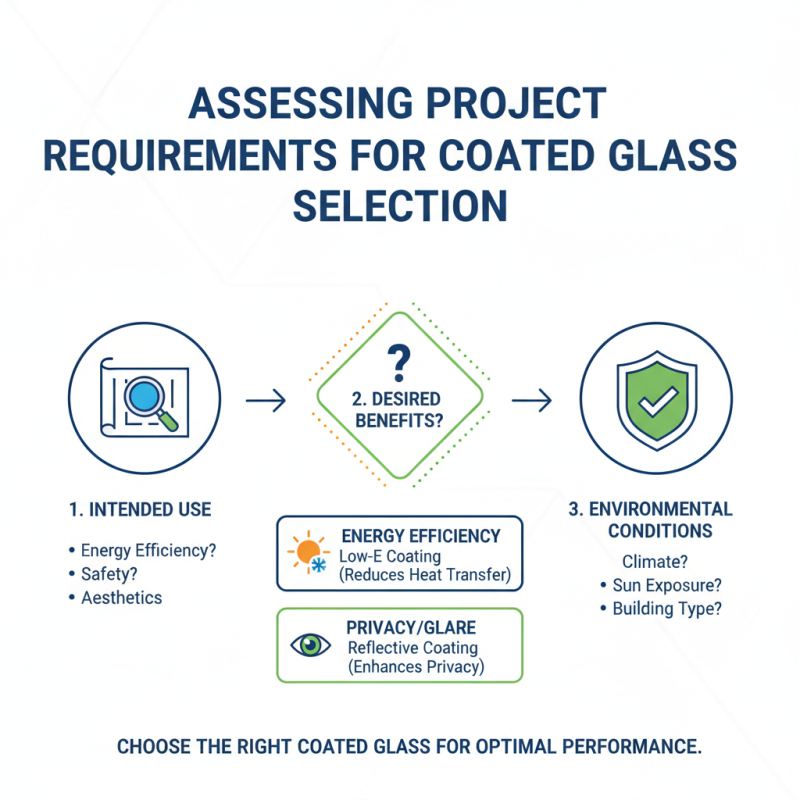
Assessing Project Requirements for Coated Glass Selection
When selecting coated glass for a project, assessing the project requirements is critical. Start by understanding the intended use of the glass. Is it for energy efficiency, safety, or aesthetics? Different coatings offer unique benefits. For instance, low-E coatings reduce heat transfer, while reflective coatings enhance privacy. Each option serves distinct purposes based on various environmental conditions.
Consider the location of the project. Coastal areas might need better corrosion resistance, while urban settings may benefit from acoustic properties. Have you thought about changing weather patterns? A frosted finish may suit some applications better than a clear one, influencing both light transmission and maintenance needs.
Evaluating costs versus benefits is essential. High-performance glass can be more expensive upfront, but it may save energy in the long run. Reflect on your budget constraints. Don’t forget the long-term impact of your choice. Sometimes it helps to consult with professionals who have experience in coated glass selections. Their insights can guide you in making informed decisions tailored to your project's unique needs.
Evaluating Aesthetic and Functional Factors in Coated Glass
Choosing the right coated glass for your project involves careful consideration of both
aesthetic and functional factors. Aesthetic qualities can
significantly influence the overall look of a space. Coated glass can come in numerous colors and textures, making it key to achieving the desired ambiance.
For instance, a reflective finish might enhance modern designs, while frosted glass could provide warmth in more traditional settings.
Think about how the glass will interact with light. Different coatings can change the way colors appear, affecting the atmosphere of a room.
Functional aspects are equally important. Coated glass can improve energy efficiency by reflecting solar heat.
This feature can be crucial in reducing cooling costs during hot months. However, not all coatings provide the same level of insulation.
Look into their performance ratings carefully. Additionally, consider durability.
Some coatings are more resistant to scratches and environmental factors than others.
While aesthetic appeal is vital, it should never overshadow these practical considerations. Finding the right balance may require
testing samples in your environment to see how they perform and look in real life.
Comparing Cost Factors and Budget Considerations for Coated Glass
When deciding on coated glass, cost factors play a crucial role in your project. Coated glass can vary greatly in price based on the type of coating and its performance metrics. Some coatings provide better insulation, while others offer enhanced durability. This variety impacts the initial costs and long-term savings. It’s essential to compare these factors against your budget.
Budget considerations are equally important. A more expensive coated glass may save energy costs over time through better thermal efficiency. However, if your project has a tight budget, mid-range options can still be effective. Assessing the cost versus performance trade-off is vital. Intentionally choosing cheaper options may lead to higher expenses later on. Reflect on your project’s purpose and lifespan to make an informed decision. Balancing aesthetics, energy efficiency, and budget constraints is key to achieving the right choice.
Cost Comparison of Different Coated Glass Types
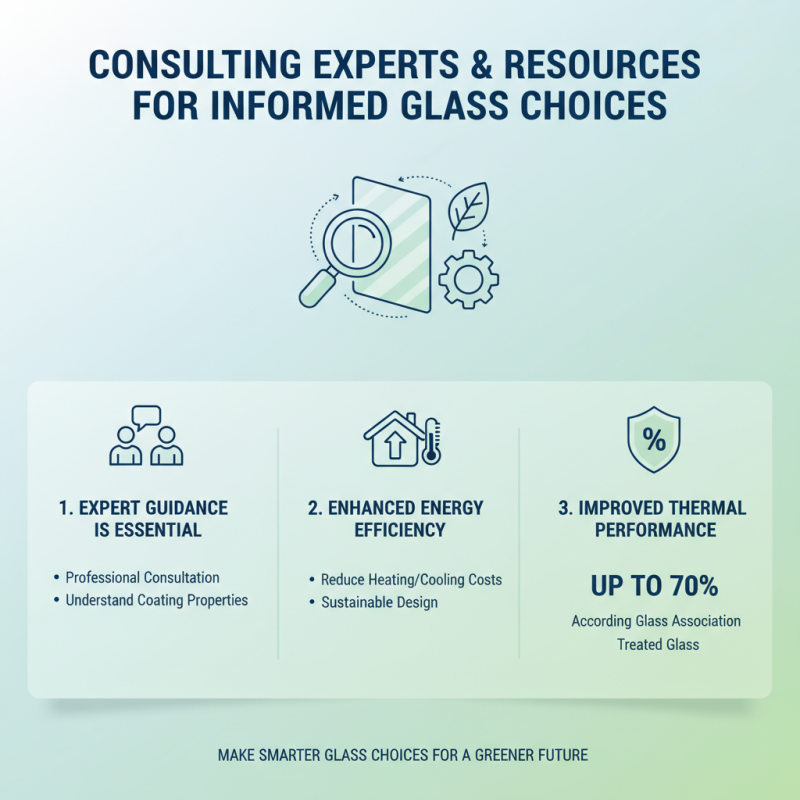
Consulting Experts and Resources for Informed Glass Choices
When selecting coated glass for your project, consulting experts is essential. Professional guidance can illuminate the different properties of coatings. Certain coatings offer enhanced energy efficiency, reducing heating and cooling costs. According to the Glass Association, treated glass can improve thermal performance by up to 70%. This insight is crucial for sustainable design.
Moreover, making informed choices requires access to reliable resources. The National Fenestration Rating Council (NFRC) provides valuable data on glass performance ratings. Understanding these ratings can simplify comparisons. For instance, a low U-value indicates better insulation. However, not all coatings deliver equal benefits. Reflective coatings might excel in glare reduction but could hinder natural lighting.
Consider the long-term implications of your choices. Coating durability can vary significantly. Some coatings may degrade under extreme conditions. This leads to a potential decline in performance over time. Balancing aesthetics, function, and durability is key. Engaging with seasoned professionals can help mitigate these challenges and enhance your decision-making process.


 Phone
Phone Send Email
 whatsapp
 Facebook