How to Choose the Right Cover Glass for Industrial PCs?
Choosing the right cover glass for industrial PCs is crucial for performance and durability. Various factors affect this decision. The right cover glass impacts visibility, protection, and touch functionality. Understanding these aspects can improve your device's reliability.
Industrial environments can be demanding. The cover glass must withstand harsh conditions. This may include exposure to chemicals, extreme temperatures, or heavy impacts. Selecting the wrong material can lead to frequent replacements. This choice significantly affects the total cost of ownership.
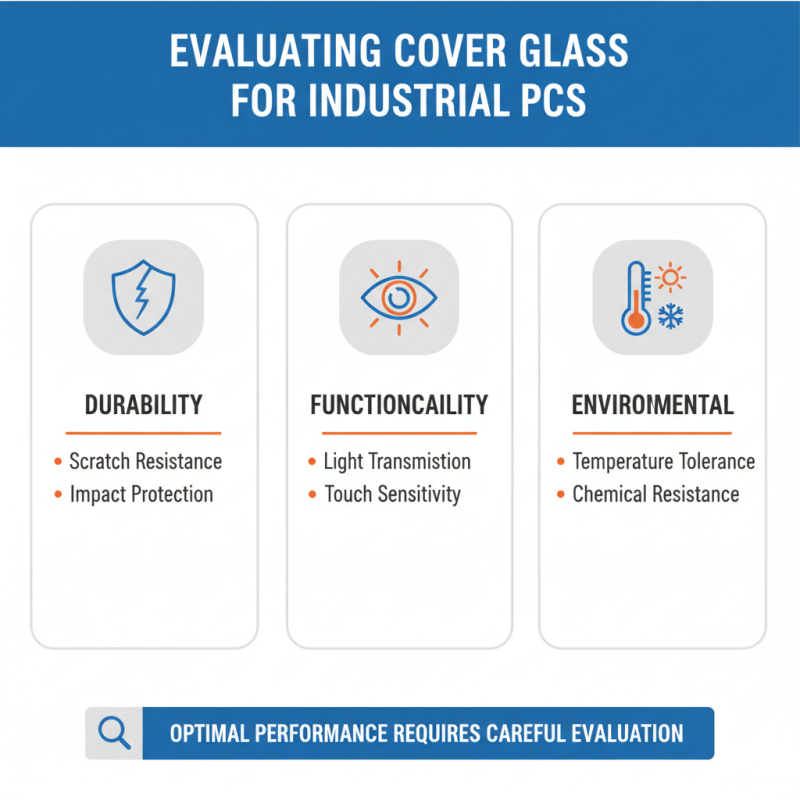
Not all cover glass options are equal. Some may offer excellent clarity but lack durability. Others may be rugged but reduce touch sensitivity. It's essential to balance these features based on specific operational needs. Reflecting on the requirements will lead to a better choice of cover glass for industrial PCs.
Understanding the Importance of Cover Glass in Industrial PCs
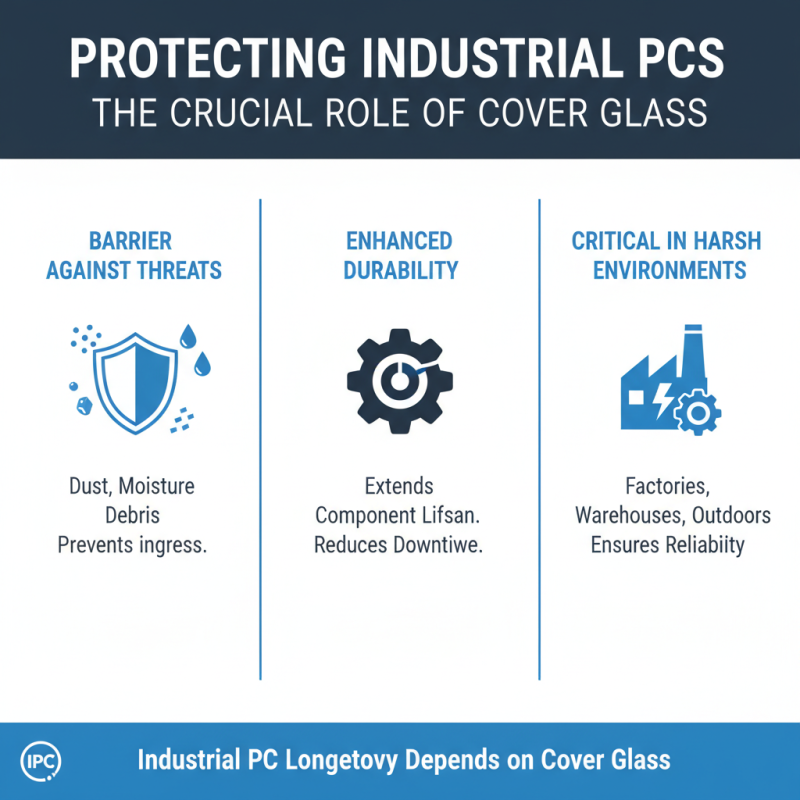
Cover glass plays a crucial role in protecting industrial PCs. It acts as a barrier against dust, moisture, and debris. Without proper protection, components can fail prematurely. The right cover glass can enhance the durability of an industrial PC, making it vital in harsh environments.
Selecting cover glass is not always straightforward. Factors include thickness, material, and coating. Tempered glass offers strength but may be heavier. On the other hand, acrylic is lighter but scratches easily. This decision impacts usability and maintenance. Users must weigh these options carefully.
Another aspect to consider is the optical clarity of the cover glass. Poor visibility can hinder performance. Anti-reflective coatings can improve screen visibility under different lighting conditions. Yet, these coatings may wear over time. Evaluating the long-term implications is essential. The right cover glass can ensure reliability in demanding industries.
Types of Cover Glass Materials Commonly Used in Industrial Applications
Selecting the right cover glass for industrial PCs is crucial. Various materials serve different needs. Each material possesses unique characteristics that affect performance, durability, and safety in industrial environments.
One common option is tempered glass. Tempered glass can withstand high impacts and changes in temperature. Reports indicate that this material can be up to five times stronger than standard glass. In settings prone to mechanical stress, its reliability is paramount.
However, it remains sensitive to certain chemical exposure, which is a limitation to consider.
Another popular choice is polycarbonate. This material offers excellent impact resistance and optical clarity. According to industry studies, polycarbonate can hold up well in harsh conditions without shattering. Despite its advantages, it has a lower scratch resistance compared to tempered glass. Frequent replacements due to scratches may become a cost factor.
Exploring each material's benefits and drawbacks is essential for informed decisions in industrial applications.
Key Factors to Consider When Selecting Cover Glass for Industrial PCs
When selecting cover glass for industrial PCs, several critical factors come into play. The glass type significantly impacts durability. Tempered glass, for instance, offers resilience against scratches and impacts. This is crucial in harsh industrial environments where equipment faces daily abrasions.
Another factor to consider is optical clarity. The right cover glass must provide clear visibility while minimizing glare. This can enhance user experience, especially in applications where precision matters. In some cases, anti-reflective coatings may offer additional benefits, but they can be costly and might require careful maintenance.
Compatibility with touch-screen technology is also essential. Not all cover glass works seamlessly with touch interfaces. You need to verify how the glass responds to touch while maintaining durability. Sometimes, an unexpected trade-off emerges: better sensitivity might compromise scratch resistance. This balance can lead to challenges. Understanding these nuances can result in better decision-making for your industrial PC solutions.
Best Practices for Maintaining and Protecting Cover Glass in Industrial Settings
In industrial environments, maintaining cover glass is critical. Dust, chemicals, and physical impact can jeopardize its integrity. Regular cleaning is essential. Use appropriate cleaners that are safe and effective. Avoid abrasive materials that could scratch the surface. A thorough inspection should be routine. Look for signs of wear, including chips and cracks. These flaws can affect visibility and functionality.
Temperature fluctuations are common in industrial settings. Extreme heat or cold may cause the glass to expand or contract. This can lead to stress fractures over time. Installing protective barriers can reduce direct impact from machinery. Adding a safety film may also help deter shattering. Regularly assess the condition of these protective layers.
While many organizations invest in high-quality glass, it's only one part of the equation. Staff training is often overlooked. Employees need to understand how to handle equipment properly. A small mistake can lead to significant damage. Foster a culture of care around equipment, emphasizing the value of proper maintenance. This approach can enhance the longevity of cover glass in any facility.


 Phone
Phone Send Email
 whatsapp
 Facebook