How to Choose the Best Wall Light Glass for Your Home?
Choosing the right Wall Light Glass transforms your living space. It adds ambiance and style, enhancing your home’s overall aesthetic. The right lighting choice can elevate a room, creating a warm, inviting atmosphere.
Consider the functionality of Wall Light Glass before making a decision. Think about its placement. Will it serve as a spotlight or general lighting? Different styles can influence mood. A vintage design may add charm, while a modern piece offers elegance.
Moreover, quality matters. Look for durable materials that withstand the test of time. Fragile options may require frequent replacements. Research reliable brands to ensure your investment lasts. Reflect on your needs and preferences. It’s not just about looks; it’s about creating a space that feels like home.
Understanding Different Types of Wall Light Glass Available
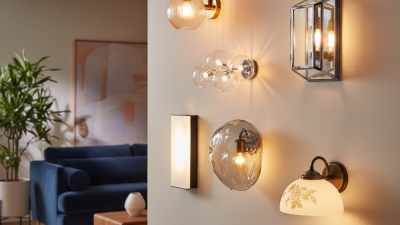
Choosing the right wall light glass for your home can greatly influence your decor. There are several types of wall light glass available, each with unique characteristics. Frosted glass offers a soft diffusion of light. This type can create a warm ambiance in bedrooms or living areas.
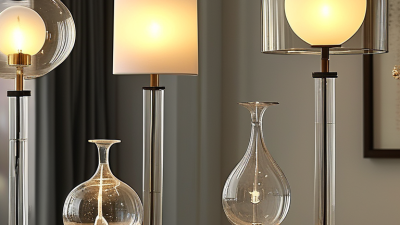
Another popular option is clear glass. It allows more light to pass through, making spaces feel larger. However, clear glass can also highlight dust and fingerprints. A report by the Lighting Research Center noted that homes using clear glass fixtures experience a higher maintenance burden compared to frosted varieties.
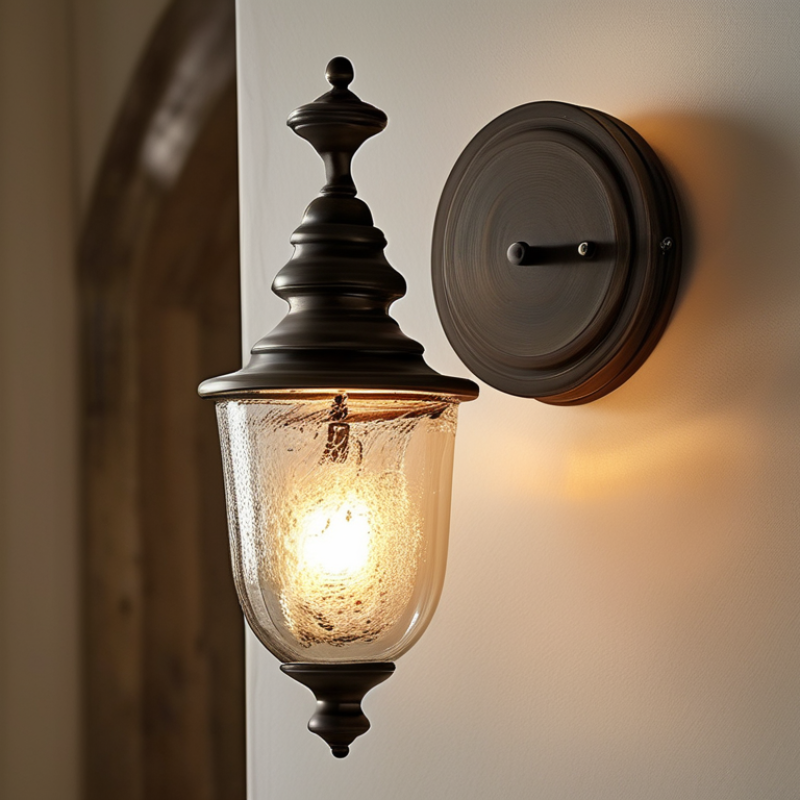
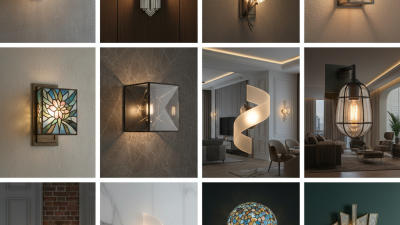
Textured glass is gaining popularity as well. It adds visual interest while softening the light. Holographic designs can produce stunning effects. However, this may be less versatile in certain decor styles. Selecting the right wall light glass requires careful consideration of both aesthetics and function. Make sure to balance light quality with your cleaning preferences.
Wall Light Glass Types and Their Popularity
Evaluating the Style: Modern, Vintage, or Transitional Designs
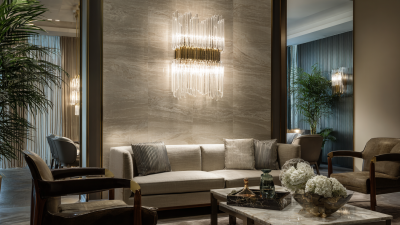
When choosing wall light glass, your style choice matters greatly. The market shows a rise in demand for modern, vintage, and transitional designs. According to a recent report, modern designs account for 45% of consumer preferences. They feature clean lines and minimalist aesthetics, ideal for contemporary spaces. These designs often utilize materials like clear or frosted glass, enhancing both light diffusion and ambiance.
Vintage styles remain timeless, appealing to those who value character. An industry survey indicates that vintage designs have gained a 30% market share. Their intricate glasswork and ornate details draw connections to history. These pieces can become focal points, evoking nostalgia in any room.
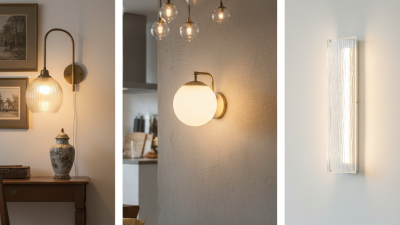
Transitional designs strike a balance between modern and vintage. They cater to homeowners who appreciate both styles without compromising on versatility. These designs often mix glass types, creating unique pieces that suit a range of interiors. Reports suggest that transitional styles can increase home value as they offer broader appeal. However, finding the right balance can be challenging, and some pieces may not fit as well as envisioned.
Assessing the Fit: Size and Scale for Your Wall Space
When choosing wall light glass for your home, size and scale are crucial. They can significantly impact both form and function. Think about the dimensions of your wall space. A large wall might overwhelm a small fixture. Conversely, an oversized light can dwarf a tiny area. Aim for balance in your selection.
Consider the height at which you will install the light. This can dictate the size of the fixture. For example, a light placed too high may not give enough illumination. Ensure the glass light complements your furnishings. If the surrounding décor is minimal, a striking light can act as a focal point. If your space is busy, opt for more understated designs.
Don't forget to visualize the space. Use painter's tape to outline the proposed size on the wall. This can reveal how the light will interact with your room. Adjust as needed; sometimes, it’s necessary to rethink initial ideas. Remember, small details can make a significant difference. A well-fitted wall light not only enhances the space but also reflects your personal style.
Considering the Function: Ambient, Task, or Accent Lighting Needs
When selecting wall light glass, consider the lighting function you need. Ambient lighting provides a soft glow, filling an entire room. It creates warmth and comfort, essential for spaces like living rooms. Look for frosted glass or translucent designs that diffuse light evenly.
Task lighting, on the other hand, is more direct and focused. This type is ideal for areas like kitchens or reading nooks. Clear glass fixtures with adjustable angles can help illuminate specific tasks effectively. Remember, choose designs that complement the space but also offer practicality.
Accent lighting highlights artwork or architectural features. It adds a touch of elegance and draws attention to important details. Think about using wall sconces with textured glass to create visual interest. However, be mindful of the balance. Overdoing it can overwhelm the room’s ambiance. Reflect on how each piece works together to enhance your home.
How to Choose the Best Wall Light Glass for Your Home? - Considering the Function: Ambient, Task, or Accent Lighting Needs
| Light Type |
Function |
Ideal Placement |
Glass Style |
Recommended Bulb Type |
| Wall Sconces |
Ambient |
Living Room, Hallway |
Frosted or Clear Glass |
LED or Incandescent |
| Picture Lights |
Accent |
Above Artwork |
Clear Glass |
Halogen or LED |
| Reading Lamps |
Task |
Next to Sofa or Bed |
Opal Glass |
LED or CFL |
| Flush Mounts |
Ambient |
Ceiling Spaces |
Textured or Clear Glass |
LED or Incandescent |
| Lantern-style Lights |
Accent |
Entryway or Patio |
Colored or Frosted Glass |
LED or Solar |
Exploring Material Options and Their Impact on Light Quality
Choosing wall light glass involves understanding materials and their effects on light quality. Different types of glass produce varying ambiance levels. For instance, clear glass provides a bright and open feel, promoting an airy look. Frosted glass can soften the light, creating a cozy atmosphere perfect for relaxation.
When selecting materials, consider texture and thickness. Textured glass can diffuse light beautifully, while thicker glass often produces a warmer glow. However, some thicker options might limit brightness. It's essential to visualize the overall effect on your space. You may need to adjust your choices based on furniture and room colors.
Tips: Test samples in your space. Observe how they interact with natural light. Also, think about maintenance. Some textures may collect dust more easily. Prioritize options that balance beauty and practicality. Strive for a harmonious blend of aesthetics and functionality.


 Phone
Phone Send Email
 whatsapp
 Facebook