10 Essential Tips for Choosing Fire-Resistant Glass for Safety
Choosing the right fire-resistant glass can be a daunting task. Experts like Dr. Emily Carter emphasize the importance of quality in this selection. She states, "Not all fire-resistant glass is created equal." This highlights the need for careful consideration when making your choice.
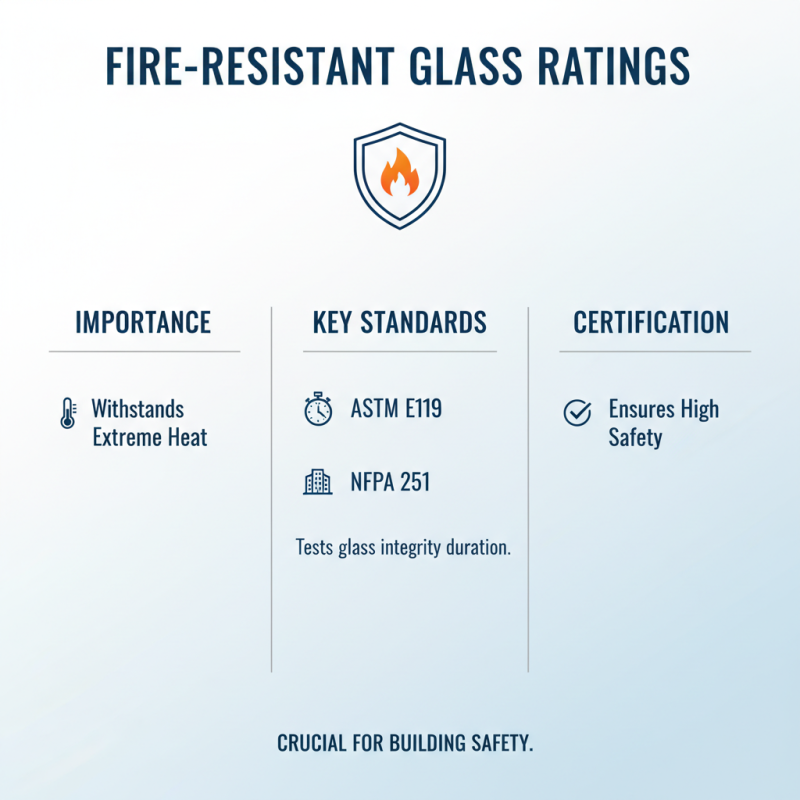
Fire-resistant glass is crucial in ensuring safety during emergencies. It offers protection without sacrificing aesthetics. However, navigating the different types and standards is complex. You may find yourself overwhelmed with options.
Understanding the purpose and functionality of fire-resistant glass will lead to better decisions. Consider how it integrates with your specific needs. It might require a little research to discover your best fit. But, in the end, it could save lives. Your choice matters more than you think.
Understanding Fire-Resistant Glass: What Makes It Different?
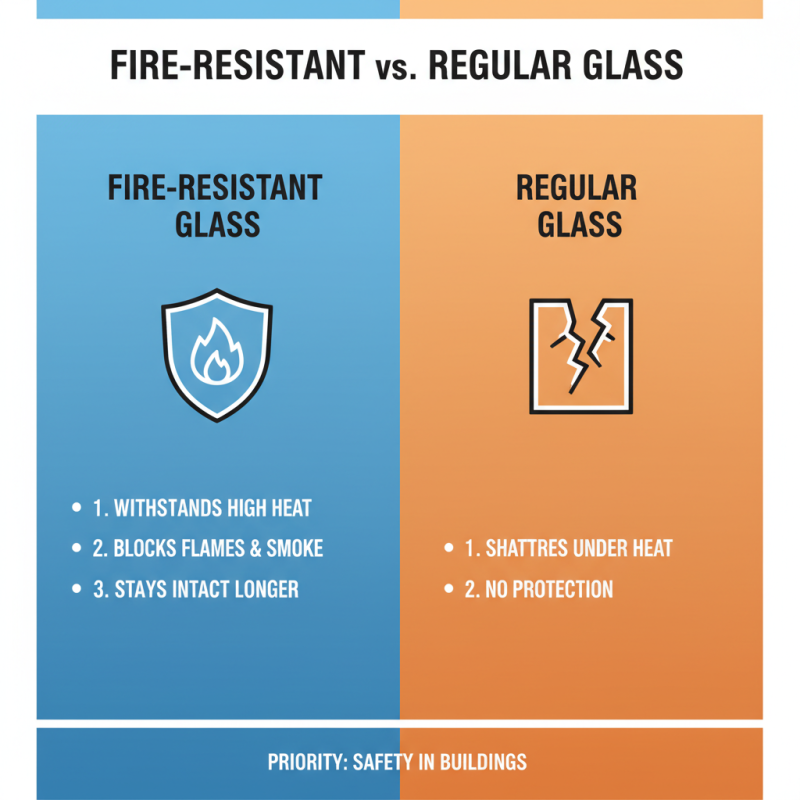
When selecting fire-resistant glass, it’s crucial to understand what sets it apart from regular glass. Fire-resistant glass is designed to withstand high temperatures. It can prevent flames and smoke from spreading. This makes it vital in buildings where safety is a priority. Regular glass shatters easily under heat, while fire-resistant glass stays intact longer.
Different types of fire-resistant glass exist, including wired and ceramic options. Wired glass has a mesh of metal, which provides strength. However, it may not be as clear as other types. Ceramic glass can endure higher temperatures without breaking. Yet, its higher cost can be a concern.
Choosing the right type involves weighing safety against budget. Think about where you will install it. Different areas may require different levels of protection. It often leads to personal reflection on what you value more: safety or aesthetics. This decision isn't always straightforward.
Factors to Consider: Thickness, Type, and Configuration of Fire Glass
When selecting fire-resistant glass, there are crucial elements to consider.
Thickness is one of them.
Thicker glass offers better protection against high temperatures.
It also reduces the risk of shattering when exposed to flames.
However, thicker materials can be heavier. Ensure your frame can support the added weight.
Another vital aspect is the type of fire glass. There are various types available.
Some are designed specifically for certain applications. For example,
tempered glass provides better impact resistance.
But it may not be the best choice for high-heat environments.
Some products might even mislead buyers about their true fire ratings.
Configuration matters too. The way glass panels are arranged can affect performance.
Sealed units may perform better in extreme conditions. However, they could also be harder to replace.
Be mindful of your specific requirements.
Consider both aesthetics and safety protocols when making your choice.
Each decision carries weight and could lead to potential pitfalls down the line.
Installation Guidelines: Ensuring Proper Fit and Seal for Maximum Safety
When installing fire-resistant glass, ensuring a proper fit and seal is crucial for maximizing safety. Start by measuring the frame accurately. An ill-fitting glass can compromise its effectiveness during a fire. Gaps can allow heat and smoke to penetrate, defeating the purpose of fire resistance. Remember, precision is key.
Once you have the right measurements, focus on the installation method. Utilize high-temperature sealants that are specifically designed for fire-rated applications. These materials can withstand high heat and prevent the glass from failing when it matters most. Pay attention to the edges; a secure, even seal is essential.
It's essential to check for air leaks once installed. Simple tests with smoke or air can reveal unnoticed gaps. If you find any, reassess your sealant application. Sometimes, adjustments are necessary, so be patient. Rushed jobs often lead to safety compromises. Your diligence in installation can make all the difference. Every detail matters.
Maintenance Tips: Keeping Fire-Resistant Glass in Optimal Condition
When it comes to fire-resistant glass, maintenance is key. Regular inspections can help identify any damage early on. Look for cracks or chips. These issues can compromise the safety of the glass. If you see signs of wear, don’t ignore them. It’s better to address these problems sooner rather than later.
Cleaning is just as important as inspections. Use a soft cloth and a mild cleaning solution. Avoid harsh chemicals, as they can damage the glass. Be gentle while cleaning to prevent scratching. Consider scheduling a professional cleaning every few years. This can help maintain clarity and effectiveness.
Finally, be mindful of the environment surrounding the glass. High temperatures and humidity can affect its durability. Ensure proper ventilation in areas where fire-resistant glass is installed. Regular maintenance checks can help you stay ahead of potential issues. Remember, safety begins with the small details. Taking proactive steps can safeguard your space effectively.
Fire-Resistant Glass Performance Metrics


 Phone
Phone Send Email
 whatsapp
 Facebook