Why is Safety Glass Essential for Modern Architecture and Design?
In the modern landscape of architecture, Safety Glass plays a vital role in enhancing both safety and aesthetics. Renowned architect John Smith emphasizes, "Safety Glass is not just a material; it’s a crucial element that protects lives and harmonizes design." As urban environments evolve, so do the demands for materials that blend functionality with beauty.
Safety Glass, known for its superior strength and shatter resistance, ensures that buildings remain secure. Its ability to withstand extreme conditions makes it a preferred choice for windows and facades. This material's application ranges from residential homes to high-rise buildings. The use of Safety Glass reduces risks associated with breakage, ultimately protecting occupants and passersby alike.
Yet, the industry faces challenges in balancing cost and quality. Some architects struggle to incorporate Safety Glass without exceeding budgets. While innovation in manufacturing continues, the need for more affordable options remains. The journey toward universal adoption of Safety Glass is ongoing, highlighting both the potential and the hurdles within the architectural field.

The Importance of Safety Glass in Architectural Design
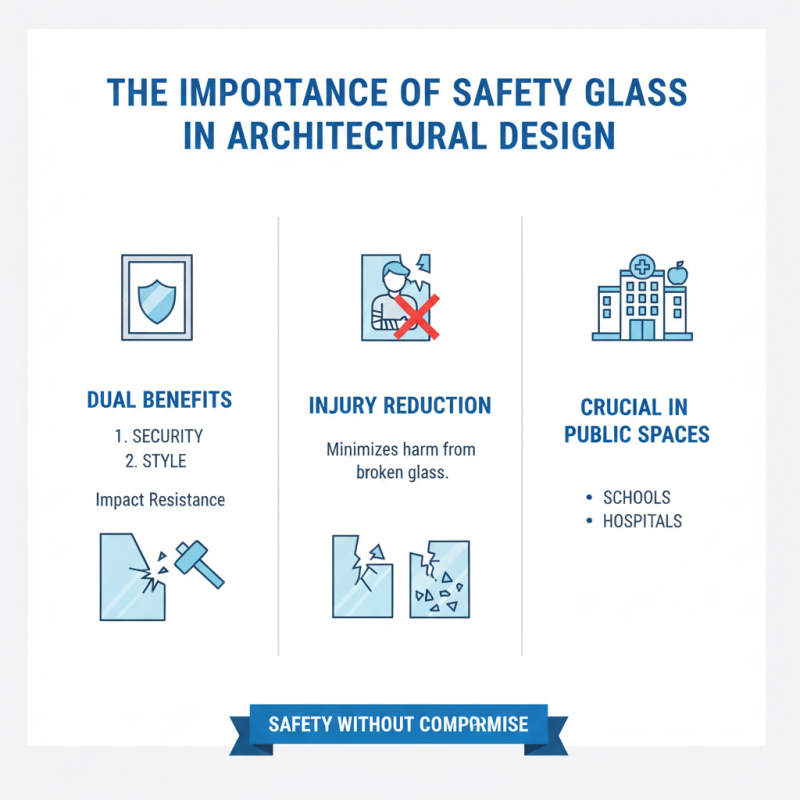
Architectural design heavily relies on materials that ensure safety without compromising aesthetics. Safety glass stands out for its ability to provide both security and style. When designed correctly, it can withstand impact, reducing the risk of injury from broken glass. This is crucial in public spaces such as schools and hospitals, where safety is paramount.
The use of laminated and tempered glass enhances the structural integrity of buildings. These materials can prevent dangerous shattering, often seen in traditional glass. When incorporated into facades, they also allow for natural light while minimizing glare. Designers appreciate this dual functionality, but not all architects understand the technical aspects of safety glass. Misjudgments in selection can lead to costly mistakes.
While safety glass is widely recognized for its benefits, some challenges persist. Not all installations are foolproof. Improper installation techniques can diminish its effectiveness, creating safety hazards. Additionally, not all types of safety glass are suited for every environment. Architects must evaluate each project carefully to make informed choices about materials. They must continue to learn and adapt to innovations in safety glass technology.
Types of Safety Glass Used in Modern Architecture
Safety glass plays a crucial role in modern architecture. It provides protection while contributing to aesthetic designs. There are various types of safety glass, each serving different purposes. Laminated glass is one of the most commonly used types. It consists of layers of glass and plastic. This combination enhances strength and prevents shattering. It is ideal for facades and skylights.
Tempered glass is another important option. It undergoes a heating process that increases its strength. This glass shatters into small pieces, reducing injury risks. It is often used in doors and windows. While effective, tempered glass isn’t bulletproof. Architects must consider its limitations in certain applications.
For those planning to use safety glass, here are some tips. Always consult with professionals for proper installation. Check local building codes to ensure compliance. Consider the building's location and potential hazards. Think about the glass’s thermal properties, especially in extreme climates. It's essential to balance safety needs with design aspirations to achieve the best results.
Why is Safety Glass Essential for Modern Architecture and Design? - Types of Safety Glass Used in Modern Architecture
| Type of Safety Glass |
Description |
Applications |
Benefits |
| Tempered Glass |
Heat-treated glass that is stronger than regular glass. |
Facades, shower doors, glass doors. |
High impact resistance, breaks into small pieces. |
| Laminated Glass |
Two or more glass panes bonded by a layer of PVB (Polyvinyl Butyral). |
Skylights, glass floors, windows in buildings. |
Sound insulation, retains glass fragments when broken. |
| Annealed Glass |
Standard glass that is slowly cooled to relieve internal stresses. |
Windows, display cases, partitions. |
Cost-effective and easy to fabricate. |
| Bulletproof Glass |
Consists of layers of glass and polycarbonate to withstand bullet impacts. |
Banks, military buildings, security vehicles. |
Ultimate protection against ballistic forces. |
Benefits of Safety Glass for Building Security and Safety
Safety glass plays a crucial role in modern architecture and design. Its use significantly enhances building security and safety. This material is designed to resist impact and breakage. For instance, laminated glass consists of two or more layers bonded together. If shattered, it holds the fragments in place, reducing injury risk.
Buildings face multiple threats, including climate and vandalism. Safety glass acts as a barrier against these dangers. It can withstand high winds and flying debris during storms. Additionally, windows made from tempered glass are four to five times stronger than standard glass. While expensive, they provide peace of mind in terms of security and durability.
However, not all safety glass is created equal. The installation process is crucial for effectiveness. Poor workmanship can lead to vulnerabilities. Architects must consider their designs carefully. Additionally, the aesthetic aspect should not be overlooked. Glass can be both functional and beautiful. Reflecting on choices ensures safety without compromising style. Decisions on safety glass need careful thought and planning.
Design Considerations for Incorporating Safety Glass
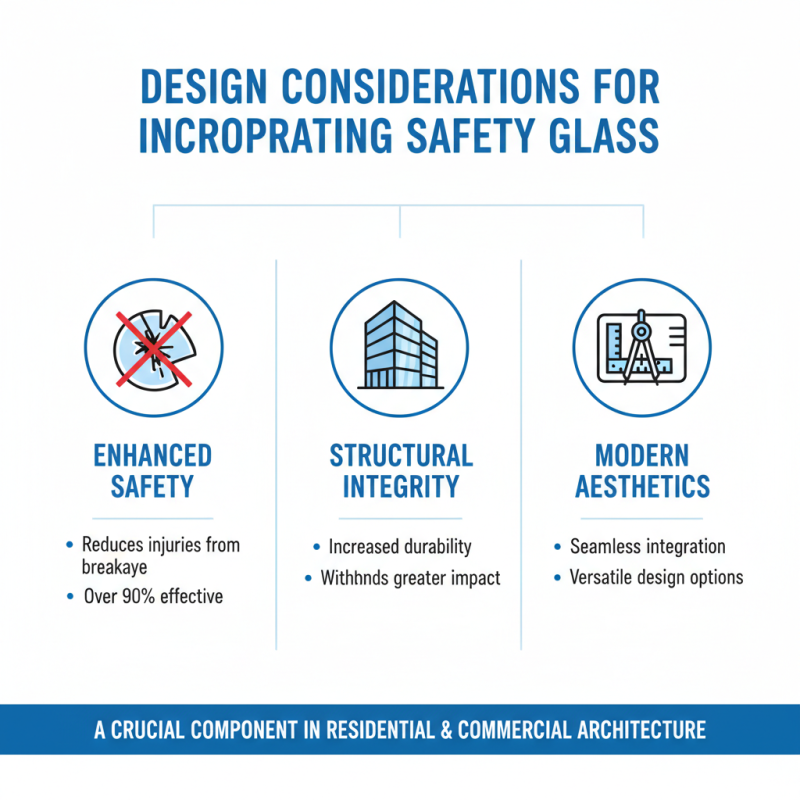
Safety glass has become a crucial component in modern architecture. Its design integration not only enhances aesthetics but also ensures structural integrity. According to industry data, using safety glass can reduce injuries from glass breakage by over 90%. This compelling statistic highlights its importance in both residential and commercial buildings.
When incorporating safety glass, architects must consider thickness and type. Laminated glass offers excellent safety features due to its layered structure. It not only holds together when shattered but also provides UV protection. Tempered glass, on the other hand, is stronger and can withstand high stress levels. This is vital in areas subject to extreme weather or heavy foot traffic.
**Tip:** Evaluate the location and function of each glass installation. For example, large glass facades in high-traffic areas benefit from laminated options.
Another point of reflection is the balance between safety and design. While frameless designs are trendy, they can be less forgiving. Aesthetic choices should not compromise safety standards. Proper certification and testing are essential to ensure the selected glass meets regulatory safety protocols.
**Tip:** Consult with professionals on local regulations and safety standards. Having clearance from building codes can save time and resources in the long run.
Regulatory Standards and Compliance for Safety Glass in Construction
Safety glass plays a critical role in modern architecture. Various regulatory standards, including ISO 12543 and ASTM C1048, outline the requirements for safety glass used in construction. These standards aim to ensure that safety glass meets necessary strength and durability levels. Compliance with these standards helps prevent accidents and injuries.
In many regions, it is mandatory for buildings to use safety glass in specific applications. These include commercial spaces, schools, and residential buildings near water bodies. For instance, the Glass Association of North America reports that using laminated safety glass can reduce injury risk by 90%. Despite these advancements, not all construction projects prioritize safety glass compliance. This raises questions about how regulations are enforced.
Improper installation can also compromise the effectiveness of safety glass. Many developers might overlook the importance of adhering strictly to guidelines. Continuous education on the latest safety standards is crucial for architects and builders. As the industry evolves, professionals must remain vigilant about adhering to safety regulations to ensure public protection.


 Phone
Phone Send Email
 whatsapp
 Facebook