How to Master Glass Fabrication Techniques and Processes?
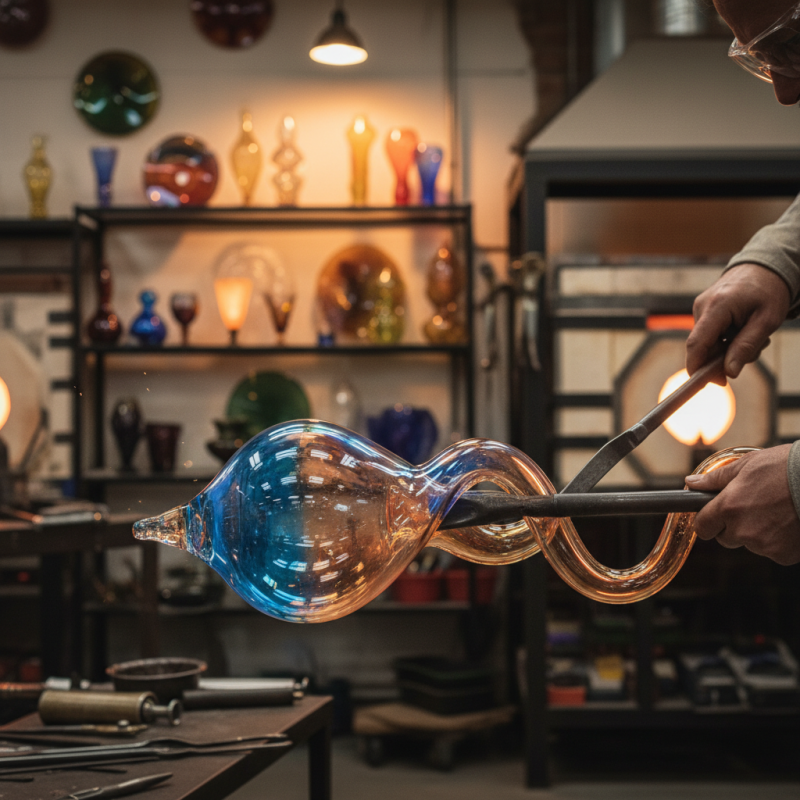
In the realm of Glass Fabrication, mastering techniques is key to innovation and quality. Renowned expert Dr. Emily Tran once stated, "Effective glass fabrication combines art and science." This highlights the intricate balance required in this field.
Understanding processes like cutting, bending, and polishing shapes the end product. Each technique demands precision and creativity. Mistakes can lead to costly errors or wasted materials. It's essential to learn from these experiences.
Glass Fabrication is not just a skill; it’s an evolving art form. Detailed attention to each step can make a significant difference. Reflecting on past failures aids in growth. Continuous learning remains vital in achieving mastery.
Understanding the Basics of Glass Fabrication Techniques
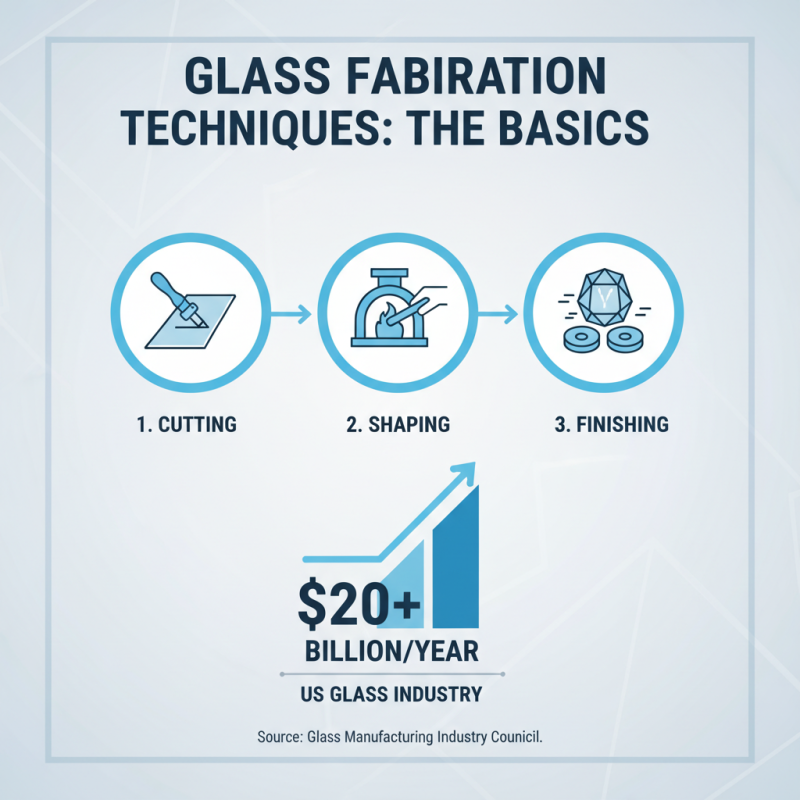
Understanding the basics of glass fabrication techniques is crucial for anyone interested in this field. Glass fabrication involves several processes, including cutting, shaping, and finishing. Each step requires precision and expertise. According to the Glass Manufacturing Industry Council, the U.S. glass industry generates over $20 billion annually. This underscores the importance of mastering these techniques.
Starting with cutting, the tools used can vary significantly. Standard glass cutters are often preferred for small projects. However, for larger sheets, a diamond saw is more effective. Shape creation follows cutting. Techniques such as bending or molding require both skill and experience. Incorrect temperatures can lead to defects in glass. An industry report reveals that nearly 15% of glass products fail inspection due to poor fabrication.
Finishing glass pieces also plays a vital role. Processes like polishing enhance the aesthetics and functionality. However, achieving a perfect finish is challenging. The margin for error is minimal. Many artisans must refine their skills over years of practice. Understanding these core techniques and their intricacies can significantly impact the final product's quality and durability.
Essential Tools and Equipment for Glass Fabrication
The glass fabrication industry relies heavily on specific tools and equipment for efficiency and precision.
Essential tools include diamond saws for cutting glass into desired shapes.
These saws provide clean edges and minimize waste. According to industry reports, the global demand for glass fabrication tools
is expected to grow by 5.4% annually through 2025. This emphasizes the need for quality equipment.
In addition to saws, water jet cutters play a significant role in modern glass fabrication.
They offer versatility and are capable of handling intricate designs. Using high-pressure water mixed with abrasives,
these cutters ensure clean and detailed work.
However, they require maintenance and skilled operators to maximize their potential.
Another vital piece of equipment is the glass grinder.
This tool smooths rough edges, creating safer products. While grinders can be efficient,
they often create additional dust, which can pose health risks. Proper ventilation systems are necessary to address this concern.
By integrating efficient tools and being mindful of their limitations, glass fabrication can achieve high-quality results
while prioritizing safety and sustainability.
Step-by-Step Processes in Glass Cutting and Shaping
Glass cutting and shaping requires a blend of skill and understanding of fundamental techniques. Start by selecting the right glass type for your project. Each glass thickness and quality affects how easily it's cut. Use a proper glass cutter with a sharp wheel. With a firm hand, score the glass in a single stroke. This initial step is vital; a shaky cut leads to uneven edges.
After scoring, use a gently controlled pressure to snap the glass along the cut. This might take practice. Sometimes the glass doesn't break perfectly. If so, you may need to refine the edge using a grinding tool. Remember, patience is key. Rushing leads to mistakes and wasted material. The use of protective gear is essential. Glass shards can be sharp and dangerous.
Once the glass pieces are shaped, focus on finishing touches. Sanding the edges can create a smoother finish. While this step seems minor, it greatly enhances safety and aesthetics. Experiment with different techniques, yet be prepared for setbacks. Not every piece will turn out as planned. Each failure offers valuable lessons, encouraging growth in your crafting journey. Embrace the process and enjoy the learning.
Advanced Techniques: Fusing, Slumping, and Casting
Fusing, slumping, and casting are essential techniques in glass fabrication. Fusing involves heating glass pieces until they melt together. Temperatures usually range from 1,400°F to 1,600°F. Reports show that fusing can create intricate designs, enhancing both art and functionality. However, controlling the heating process is tricky. Overheating can lead to imperfections.
Slumping, on the other hand, shapes glass by placing it over a mold. As the glass heats to about 1,100°F, it takes the mold's shape. This technique allows for more organic forms. Yet, achieving consistency is challenging. Each piece may vary, demanding careful adjustments.
Casting necessitates pouring molten glass into molds. This can produce bold statements in design. Standards indicate that casting can result in thicker sections compared to fusing or slumping. However, the cooling process must be slow. Rapid cooling can cause cracks, leading to significant waste and rework.
Embracing these techniques requires patience and precision. While the potential is vast, the learning curve can be steep. Many artists have found success but also wrestled with times of failure. The key lies in persistent experimentation and reflection on outcomes.
How to Master Glass Fabrication Techniques and Processes?
| Technique |
Description |
Key Materials |
Skill Level |
Applications |
| Fusing |
Joining glass pieces by heating them until they melt and fuse together. |
Glass, Kiln |
Intermediate |
Art pieces, Jewelry |
| Slumping |
Shaping glass by heating it over a mold until it takes the desired form. |
Sheet Glass, Molds |
Intermediate |
Bowls, Plates |
| Casting |
Pouring molten glass into a mold to create specific shapes. |
Molten Glass, Molds |
Advanced |
Sculptures, Complex Designs |
Safety Practices in Glass Fabrication and Handling
Safety is a crucial aspect of glass fabrication.
Statistics indicate that around 30% of accidents in manufacturing are related to improper handling of materials.
Protective gear is essential.
Eye protection minimizes injury risks during cutting and grinding processes.
Gloves help prevent cuts from sharp edges.
Understanding the material's properties is also vital.
Glass can shatter unexpectedly, posing risks to workers.
Educating employees on the behavior of glass under stress can reduce incidents.
Training programs should cover safe handling techniques and emergency procedures.
Regular safety drills can reinforce this knowledge.
Ventilation is another important factor.
Glass dust released during fabrication can be hazardous.
Effective ventilation systems should be in place to ensure air quality.
Regular monitoring of airborne particles is essential.
Industry reports suggest that up to 20% of respiratory issues in this field are linked to poor air quality.
Hence, maintaining safety standards is not just a legal obligation but also a moral one.
Implementing effective safety practices can significantly reduce workplace hazards and improve overall productivity.


 Phone
Phone Send Email
 whatsapp
 Facebook