Top 5 Tips for Choosing Cover Glass For LCD Display at 2026 Canton Fair?
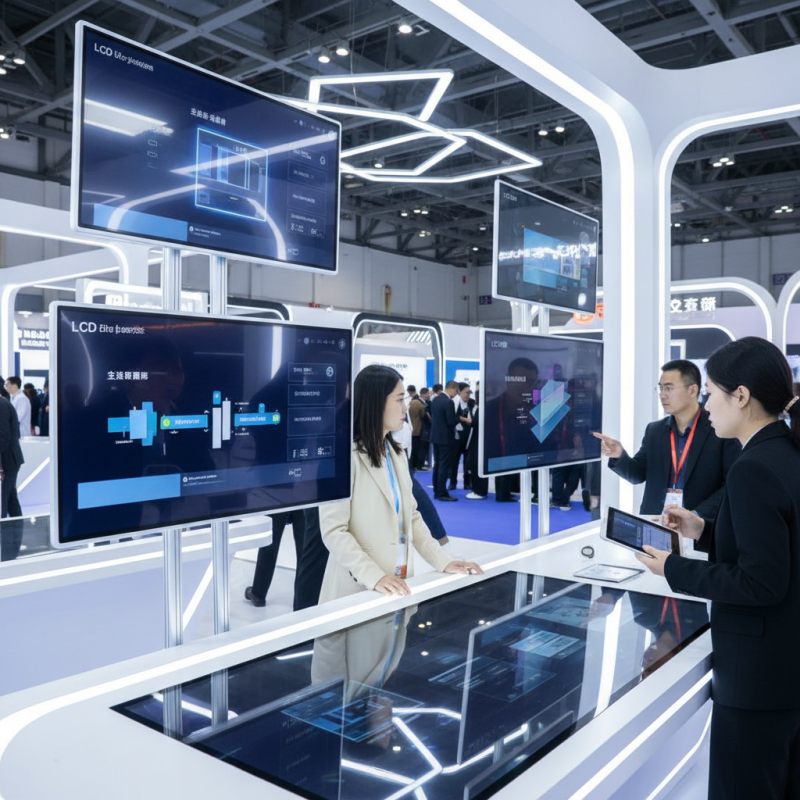
Choosing the right cover glass for LCD displays is crucial for both performance and aesthetics. At the 2026 Canton Fair, the focus will be on advanced technology and innovative materials. With over 1.5 million square meters of exhibition space, attending this fair offers unique opportunities.
The selection process for cover glass should consider several factors. Durability and clarity are essential. The market will feature various options, but not all will meet rigorous standards. Buyers must be vigilant and seek suppliers with credentials like ISO and CE certifications. The new AI search tools at the fair simplify this process, guiding buyers to ideal choices.
However, it’s not just about certifications. Cost-efficiency is important too. Some suppliers may offer better deals, but their product quality may be subpar. Manufacturers should reflect on their choices, balancing cost with quality. Navigating this complexity can enhance satisfaction in the long run. Make informed decisions for the best cover glass for LCD displays.
Factors to Consider When Selecting Cover Glass for LCD Displays
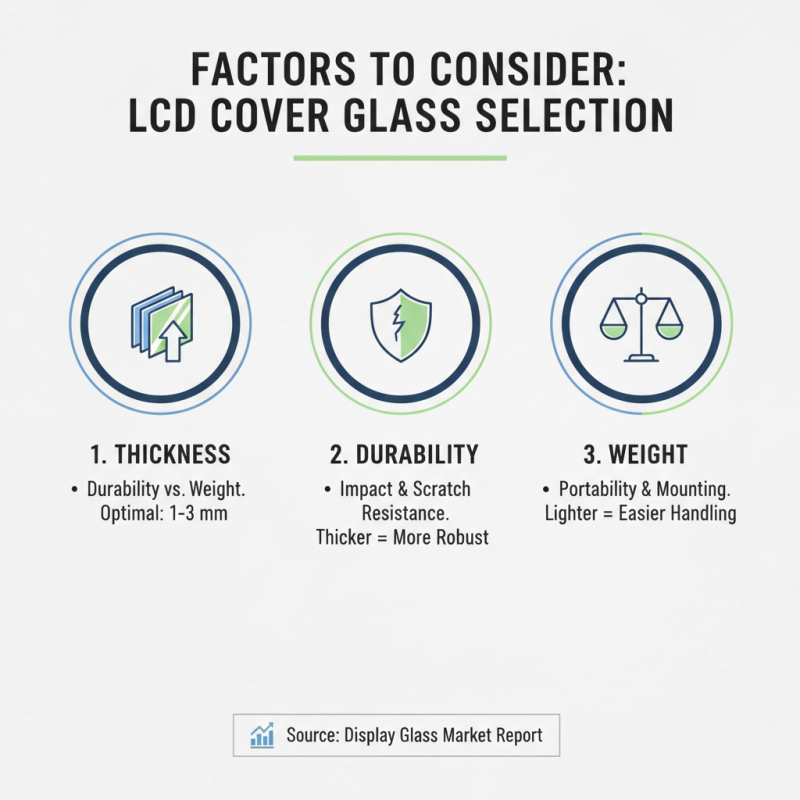
When selecting cover glass for LCD displays, several key factors must be considered. The thickness of the glass is vital. Thicker glass can enhance durability, but it adds weight. A report from the Display Glass Market indicates that most manufacturers prefer glass thickness between 1 mm and 3 mm for optimal balance.
Another important factor is scratch resistance. Consumers often overlook this, but scratches can significantly impact display clarity. The Mohs hardness scale plays a crucial role here; glass with a hardness of 6 or higher is preferable. This specification prevents frequent replacements and enhances the product's lifespan.
Additionally, consider optical clarity. Poor optical quality can distort visuals. A recent industry analysis reveals that over 30% of users will reject products with subpar clarity. Anti-reflective coatings are also recommended to improve visibility under various lighting conditions. Keeping all these factors in sight is essential. Measurements and certifications influence overall quality and user satisfaction.
Understanding Different Types of Cover Glass Materials and Their Properties
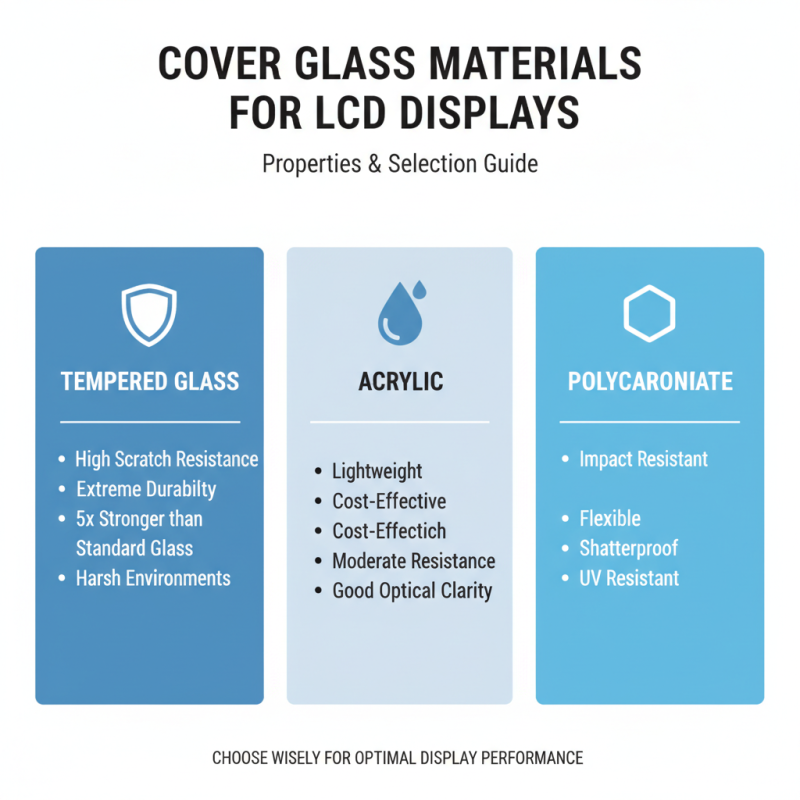
When selecting cover glass for LCD displays, understanding the various materials is crucial. Common types include tempered glass, acrylic, and polycarbonate. Each material has unique properties that affect performance and durability. For example, tempered glass offers high scratch resistance and can endure harsh environments. Data shows that tempered glass can withstand impacts up to 5 times greater than standard glass.
Acrylic, on the other hand, is lighter and more flexible. It is often chosen for applications where weight is a critical factor. However, it may not provide the same level of scratch resistance as tempered glass. In contrast, polycarbonate is highly impact-resistant and is often used in safety applications. Yet, it can yellow over time if exposed to UV light. A report indicates that the market for polycarbonate is expected to grow steadily, reflecting its utility in various applications.
While these materials each have advantages, there are trade-offs. Some users may prioritize weight over durability, or vice versa. Choosing the ideal cover glass requires a careful evaluation of specific needs. Mistakes can lead to increased costs and product failures, highlighting the importance of thorough research. Making informed choices is essential to ensure long-lasting performance of LCD displays.
Evaluating Optical Performance: Clarity, Light Transmission, and Anti-Glare Features
When selecting cover glass for LCD displays, optical performance is crucial. Clarity determines how well images are conveyed. According to a 2023 report by the International Display Consortium, optimal clarity is essential for improving user experience. A glass thickness of 1.1mm typically results in a light transmittance greater than 90%. This high level of clarity helps enhance visual content significantly.
Light transmission is another important factor. A high transmission rate ensures vibrant colors and sharp images. A study from Glass Technology Insights found that anti-reflective coatings can boost light transmission by up to 15%. This improvement is vital for outdoor applications where glare can be an issue.
However, finding the right balance can be tricky. Anti-glare features become necessary in bright environments, but they might reduce clarity. Users might notice a dulling of vibrant colors. This trade-off requires careful consideration. It's not always easy to find the ideal glass that meets all requirements without compromise. Testing various options is key in this evaluation process. Quality and performance can vary widely among manufacturers.
Optical Performance Metrics of Cover Glass for LCD Display
Assessing Durability: Impact Resistance and Scratch-Resistant Coatings
When selecting cover glass for LCD displays, durability is a key factor. Impact resistance is essential for ensuring that the screen can withstand drops and daily wear. A glass that shatters easily is not only disappointing, but costly to replace. Many manufacturers have begun using tempered glass to improve strength. However, not all tempered glass is created equal. It's important to check durability ratings.
Scratch-resistant coatings are another vital aspect. Many consumers overlook this feature. Screens can easily be marred by keys or other objects. A good coating can keep the display looking new. However, the effectiveness of these coatings can vary. Some may wear off quicker than expected. While they might be marketed as scratch-proof, real-world usage tells a different story.
Thinking deeply about these factors is crucial. Evaluate potential glass options for their real-life performance, not just marketing claims. Ask for independent testing results or user feedback. This approach helps avoid unpleasant surprises. A little research can lead to better decisions and a more satisfying display experience.
Cost-Effectiveness: Balancing Quality and Price for Optimal Selection
Choosing a cover glass for an LCD display can be daunting. Cost-effectiveness plays a crucial role in this decision. Buyers must strike a balance between quality and price. Low-cost options may seem appealing but can compromise durability. It’s essential to evaluate what you really need.
Consider the glass's scratch resistance and clarity. While cheaper glass might save money upfront, it could lead to greater costs later. If the display cannot withstand everyday use, replacement may be necessary. This leads to higher long-term expenses. Therefore, investing in quality materials is vital.
Another aspect to weigh is the supplier's reliability. Some manufacturers may offer enticing prices but lack proper quality control. Research customer reviews and request samples before making a decision. Don’t forget the total lifecycle cost. Sometimes, paying a bit more initially saves money down the line. Evaluate these factors to ensure you choose wisely.
Top 5 Tips for Choosing Cover Glass For LCD Display at 2026 Canton Fair
| Aspect |
Details |
Factors to Consider |
Estimated Cost (per unit) |
| Material Quality |
Tempered glass vs. regular glass |
Durability, scratch resistance |
$1.50 - $3.00 |
| Thickness |
Standard thickness vs. custom |
Weight, strength impact |
$2.00 - $4.00 |
| Coating Options |
Anti-reflective, oleophobic |
Clarity, ease of cleaning |
$1.00 - $2.50 |
| Edge Treatment |
Rounded vs. flat edges |
Safety, aesthetics |
$0.50 - $1.50 |
| Production Volume |
Bulk order vs. small batch |
Cost per unit, lead time |
$1.00 - $2.00 |


 Phone
Phone Send Email
 whatsapp
 Facebook