Top 10 Benefits of Anti Reflective Glass You Need to Know
Anti-Reflective Glass (ARG) has become a pivotal component across various industries, significantly enhancing visual clarity and reducing glare. Its applications range from eyewear to electronics and architectural design, impacting both functionality and aesthetics. According to a recent report by the Global Glass Industry Association, the demand for Anti-Reflective Glass is projected to grow at a CAGR of 6.2% through 2028, emphasizing its importance in modern design and technology solutions.
Renowned industry expert Dr. Emily Carter, a leading researcher in optical materials, states, "The integration of Anti-Reflective Glass not only elevates visual comfort but also extends the longevity of products by reducing surface damage." This statement underscores the multifaceted benefits of ARG, particularly in reducing eye strain and improving energy efficiency in buildings. As we delve into the top 10 benefits of Anti-Reflective Glass, it is essential to understand how this innovative material can transform our daily experiences and interactions with light.

Benefits of Anti Reflective Glass for Improved Visual Clarity
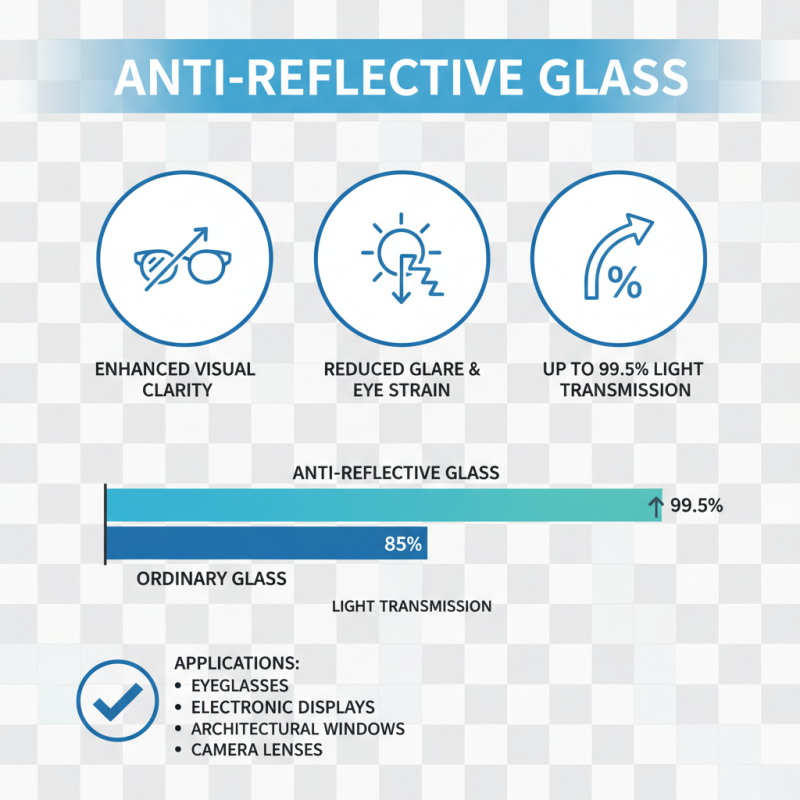
Anti-reflective (AR) glass has gained significant traction for its ability to enhance visual clarity in various applications, ranging from eyeglasses to electronic displays. One of the primary benefits of AR glass is its capacity to reduce glare from reflective surfaces, which can lead to clearer and more comfortable vision. According to a report by the Optical society, using anti-reflective coatings in eyewear can enhance light transmission by up to 99.5%, significantly improving visual acuity in changing light conditions. This result is particularly valuable for individuals who spend considerable time outdoors or in settings with bright artificial lighting, as reduced glare contributes to less eye strain and fatigue.
In addition to personal eye care, anti-reflective glass plays a crucial role in the technology and manufacturing sectors. For instance, in the context of smartphone and tablet screens, the adoption of AR glass has been shown to increase screen visibility under sunlight by nearly 30% compared to standard glass. This enhancement not only benefits consumers looking for a better viewing experience but also aids in reducing the frequency of users squinting or adjusting their positions to see their screens clearly. By improving visual clarity and reducing distractions caused by reflections, anti-reflective glass can enhance productivity across various work environments, emphasizing its growing importance in both personal and professional spheres.
Enhanced Comfort Through Reduced Glare and Eye Strain
Anti-reflective glass offers significant advantages for daily life, particularly in enhancing comfort by reducing glare and eye strain. Glare, caused by harsh lighting conditions and reflective surfaces, can lead to discomfort and fatigue for both the eyes and the mind. With anti-reflective coatings, the transmission of light through the glass is increased while reflections are significantly decreased, creating a clearer and more pleasing visual experience. This improvement is especially beneficial in environments with bright overhead lights or when using digital screens, where glare can be particularly disruptive.
Additionally, reducing eye strain is essential in our increasingly screen-dominated world. Prolonged exposure to bright screens can cause symptoms like dryness, blurred vision, and headaches. Anti-reflective glass helps mitigate these issues by softening the interaction between light and our eyes, allowing for extended periods of viewing without experiencing discomfort. As a result, individuals can work more efficiently, study longer, and enjoy recreational activities such as reading or gaming without the burden of visual strain. This holistic approach to eye comfort not only improves enjoyment of daily tasks but also promotes better eye health overall.
Protection Against UV Rays with Anti Reflective Coatings
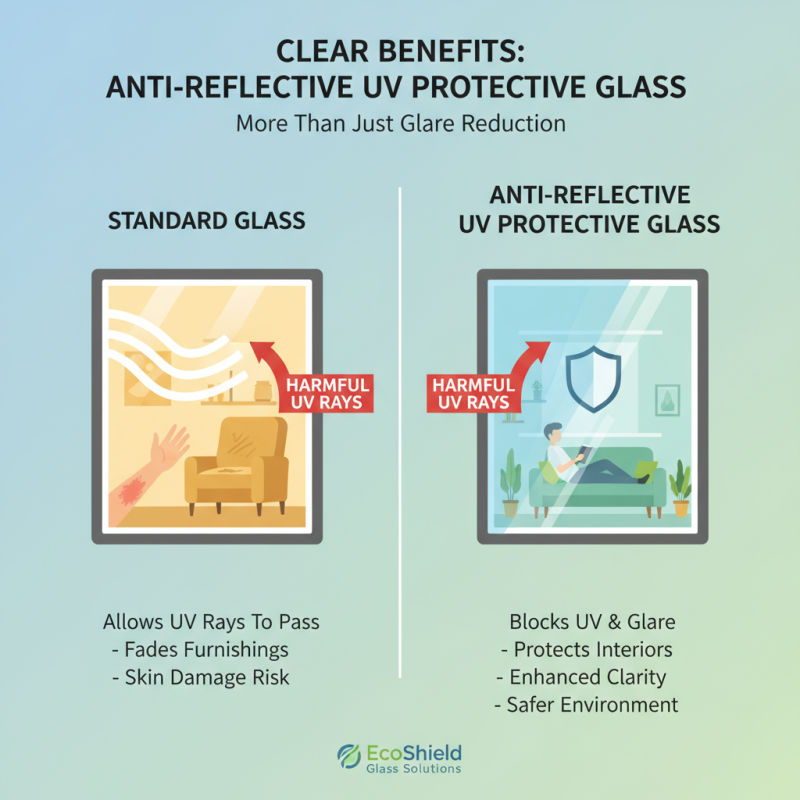
Anti-reflective glass is not only designed to reduce glare and enhance visual clarity but also provides crucial protection against harmful UV rays. Standard glass can allow a significant amount of ultraviolet light to pass through, posing risks to both skin health and indoor furnishings. With anti-reflective coatings, the transmission of UV radiation can be minimized, helping to create a safer interior environment. This protective feature is particularly beneficial for locations with ample natural light, such as homes with large windows or office spaces.
Furthermore, the incorporation of anti-reflective coatings in glass products can lead to a significant reduction in fading of furniture, artwork, and other interior elements. By blocking a portion of harmful UV radiation, these coatings help maintain the vibrancy and integrity of colors and materials over time. As a result, not only does anti-reflective glass enhance aesthetics by providing clearer views, but it also contributes to long-term preservation, making it a smart investment for any space where aesthetics and health are a priority.
Improved Aesthetic Appeal in Multiple Applications
Anti-reflective glass has gained prominence in various sectors due to its significant aesthetic enhancements. By minimizing glare, this type of glass optimizes the visual appeal of numerous applications, from residential windows to commercial storefronts. When applied in homes, anti-reflective glass allows for clearer views of the outside world while ensuring that natural light permeates the space without the harsh reflections that can detract from a room's ambiance. This clarity not only enhances the overall appearance but also creates a more inviting atmosphere.
In commercial settings, the use of anti-reflective glass can elevate the presentation of products and displays. Stores that utilize this glass provide customers with an immersive experience, as the absence of distracting reflections allows for a more focused visual engagement with the merchandise. Additionally, architectural installations, such as office buildings or cultural centers, benefit from the sleek and modern look that anti-reflective glass provides. The seamless integration of technology and design results in structures that are visually stunning and inviting, reinforcing the importance of investing in this advanced glass option for improved aesthetic appeal.
Top 10 Benefits of Anti Reflective Glass You Need to Know - Improved Aesthetic Appeal in Multiple Applications
| Benefit |
Description |
Applications |
Impact |
| Reduced Glare |
Minimizes reflection and distractions from light sources. |
Eyewear, Monitors |
Enhances vision comfort |
| Enhanced Clarity |
Improves sharpness and clarity of viewed objects. |
Camera Lenses, Projectors |
Better image quality |
| Increased Durability |
Scratch-resistant coatings protect the surface. |
Windows, Glass Displays |
Longer lifespan |
| Aesthetic Appeal |
Provides a sleek and modern look. |
Architectural Glass, Interior Design |
Enhanced visual appeal |
| Improved Light Transmission |
Maximizes the amount of usable light. |
Lamps, Optical Devices |
Brighter environments |
| Health Benefits |
Reduces eye strain and fatigue. |
Eyewear |
Better eye health |
| Compatibility |
Works well with different frames and materials. |
Sunglasses, Prescription Glasses |
Versatile usage |
| Cost Effectiveness |
Long-term savings due to durability. |
All Glass Products |
Reduced replacement costs |
| Customizable Options |
Available in various tints and shades. |
Eyewear, Screen Protectors |
Tailored for specific needs |
| Eco-Friendly Choices |
Offers sustainable materials and choices. |
Sustainable Construction |
Environmentally friendly impact |
Increased Durability and Resistance to Scratches and Damage
Anti-reflective glass offers a multitude of advantages, particularly in terms of increased durability and resistance to scratches and damage. One of the standout features of this type of glass is its ability to withstand everyday wear and tear. The surface treatment employed in anti-reflective coatings creates a hardened layer that significantly reduces the likelihood of scratches occurring. Whether used in eyewear, smartphone screens, or even architectural applications, this enhanced durability means that the glass maintains its clarity and aesthetic appeal over time, making it a practical choice for various uses.
In addition to scratch resistance, anti-reflective glass is designed to endure impact better than traditional glass. This increased toughness allows it to resist chipping and breaking when subjected to sudden shocks or pressure. As a result, it is ideal for high-traffic environments or situations where the glass may be exposed to potential damage. Users can enjoy peace of mind knowing that their anti-reflective glass products will last longer and require less frequent replacements, delivering both cost-effectiveness and reliability over the long term.
Top 10 Benefits of Anti Reflective Glass


 Phone
Phone Send Email
 whatsapp
 Facebook