Top 10 Innovations in First Surface Mirror Glass for 2025 You Can't Miss
As we move closer to 2025, the landscape of technological innovations continues to evolve, particularly in the realm of optical materials. Among these advancements,
First Surface Mirror Glass stands out as a pivotal element, enhancing both aesthetic appeal and functionality across various applications. This unique glass type, characterized by its reflective coating being applied directly to the surface, eliminates the distortion caused by a glass layer, paving the way for clearer, more precise reflections.
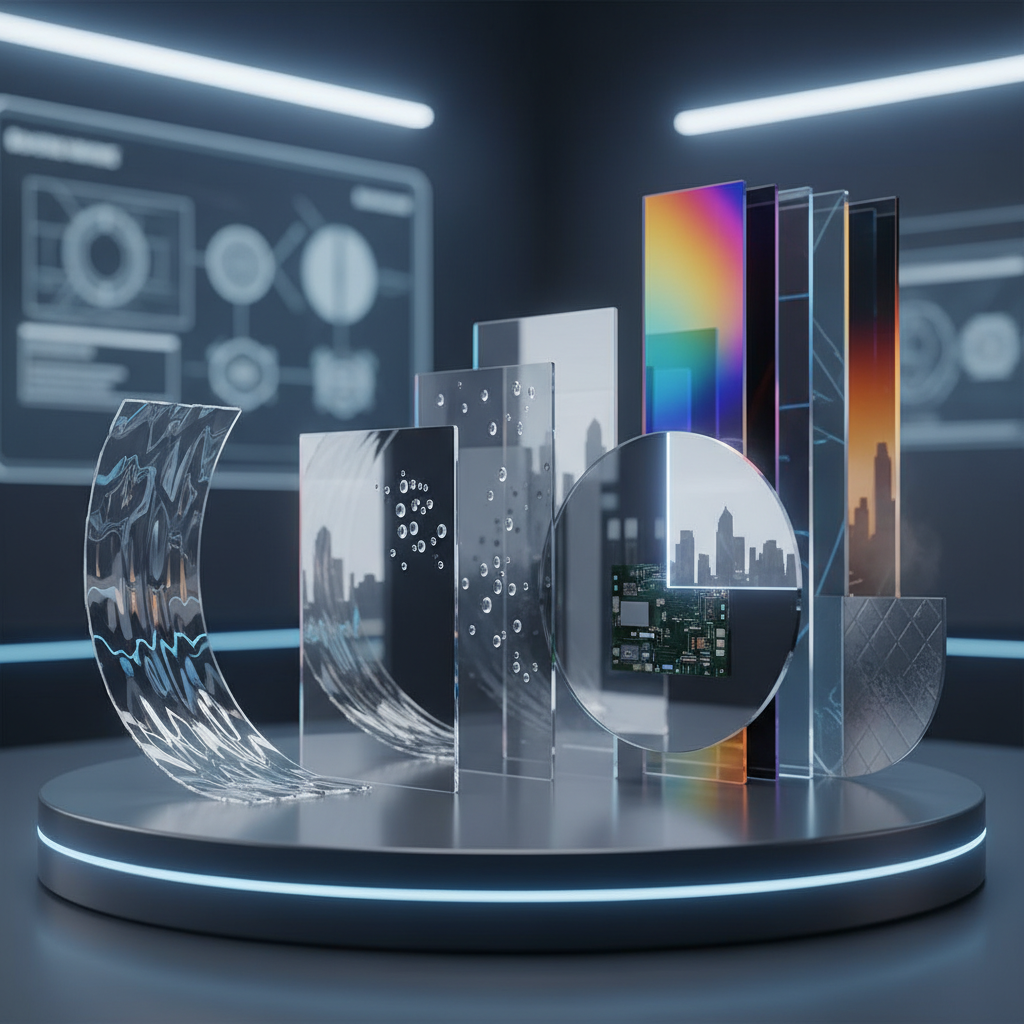
In this article, we will explore the top 10 innovations in First Surface Mirror Glass that are set to redefine the industry. From cutting-edge manufacturing techniques to novel applications in architecture and automotive design, these innovations are not only enhancing performance but also pushing the boundaries of creativity in design. Whether you're an industry professional or an enthusiast, understanding these developments will be crucial for leveraging the full potential of First Surface Mirror Glass in upcoming projects.
Get ready to discover the remarkable features and capabilities that make these innovations can't-miss advancements for the near future.
Key Trends Shaping First Surface Mirror Glass Innovations for 2025

As the demand for advanced first surface mirror glass grows, several key trends are shaping innovations in this field for 2025. One significant trend is the integration of eco-friendly materials. According to a recent market report by Research and Markets, the sustainable mirror glass segment is expected to grow by 10% annually, reflecting the industry's shift towards environmentally friendly practices. Manufacturers are increasingly adopting recyclable substrates and low-emission coatings, aligning with global sustainability goals.
Another important trend is the enhancement of optical performance. Upcoming innovations focus on creating higher reflectivity and reduced distortion in first surface mirrors. A study by TechSci Research estimates that the high-performance glass market will reach a value of $3 billion by 2025, driven by applications in high-end optics and architectural projects. These advancements not only improve functionality but also cater to aesthetic demands in various sectors.
Tips: When choosing first surface mirror glass, consider the application to determine the level of reflectivity needed. Additionally, look for suppliers that prioritize sustainability, as this can enhance your project's eco-friendliness. Lastly, stay informed about emerging technologies that can provide better performance and longevity in your applications.
Advancements in Coating Technologies for Enhanced Reflectivity and Durability
In 2025, advancements in coating technologies for first surface mirror glass are set to revolutionize the industry, enhancing both reflectivity and durability. Recent studies indicate that the global mirror market is expected to exceed $10 billion, driven by innovations in coating formulations. For instance, the introduction of advanced dielectric coatings, which utilize multiple layers of materials to achieve higher reflectivity, is predicted to improve reflectivity levels by up to 99.9% (Optics & Photonics Journal, 2023). These coatings not only increase performance but also reduce energy consumption, making them particularly attractive in energy-efficient applications.
Furthermore, the durability of mirror coatings is being significantly enhanced through the integration of nanotechnology. By incorporating nano-sized particles into the coating matrix, manufacturers can improve scratch resistance and environmental resilience. According to a recent market report by Technavio, mirrors with these advanced coatings demonstrate a lifespan increase of 25% compared to traditional alternatives. This leap in durability mitigates the need for frequent replacements, adding long-term value to consumers and businesses alike. As the demand for high-performance optics continues to rise, these innovations will play a crucial role in shaping the future of first surface mirror glass.
Integration of Smart Features in First Surface Mirrors for Interactive Applications
The integration of smart features in first surface mirrors is set to revolutionize the way we interact with reflective surfaces by 2025. As technology advances, these mirrors will seamlessly incorporate touch-sensitive interfaces, enabling users to control various applications with a simple hand gesture or touch. Imagine adjusting your home lighting or checking your calendar with just a swipe of your finger on the mirror's surface. This innovative functionality promises to enhance convenience and efficiency in daily routines.
Moreover, advancements in augmented reality (AR) will allow first surface mirrors to become interactive portals. Users can expect to see real-time overlays of information such as weather forecasts, traffic updates, or even fitness tracking data while getting ready in the morning. These mirrors will foster a more connected lifestyle by displaying notifications from smart home devices and integrating with personal assistants. With these transformative features, first surface mirrors will no longer be mere reflective surfaces but essential tools for a modern, tech-savvy lifestyle.
Sustainability in Manufacturing Processes: Eco-friendly Innovations in Mirror Glass
As we look forward to the innovations in
first surface mirror glass
by 2025, a significant focus lies on
sustainability in manufacturing processes.
The glass industry contributes approximately
4-5% of global CO2 emissions,
highlighting the need for eco-friendly innovations. Recent reports indicate that companies
adopting sustainable practices and materials can reduce production emissions by up to
30% by utilizing
recycled glass and alternative energy sources.
This shift not only mitigates environmental impact but also meets the growing demand from
consumers for greener products.
One exciting development is the integration of
biobased materials
and low-impact production techniques.
For instance, companies are exploring the use of
plant-based resins
in mirror coatings, which can reduce the reliance on fossil fuels.
Moreover, advanced coating technologies that enhance
energy efficiency during manufacturing processes are gaining traction;
these can cut energy use by around 20%.
Such innovations not only contribute to reducing the carbon footprint but also
improve the lifecycle impact of mirror glass products, making them more appealing
in the sustainability-driven market of the future.
Exploring New Aesthetic Designs in First Surface Mirrors for Modern Architecture
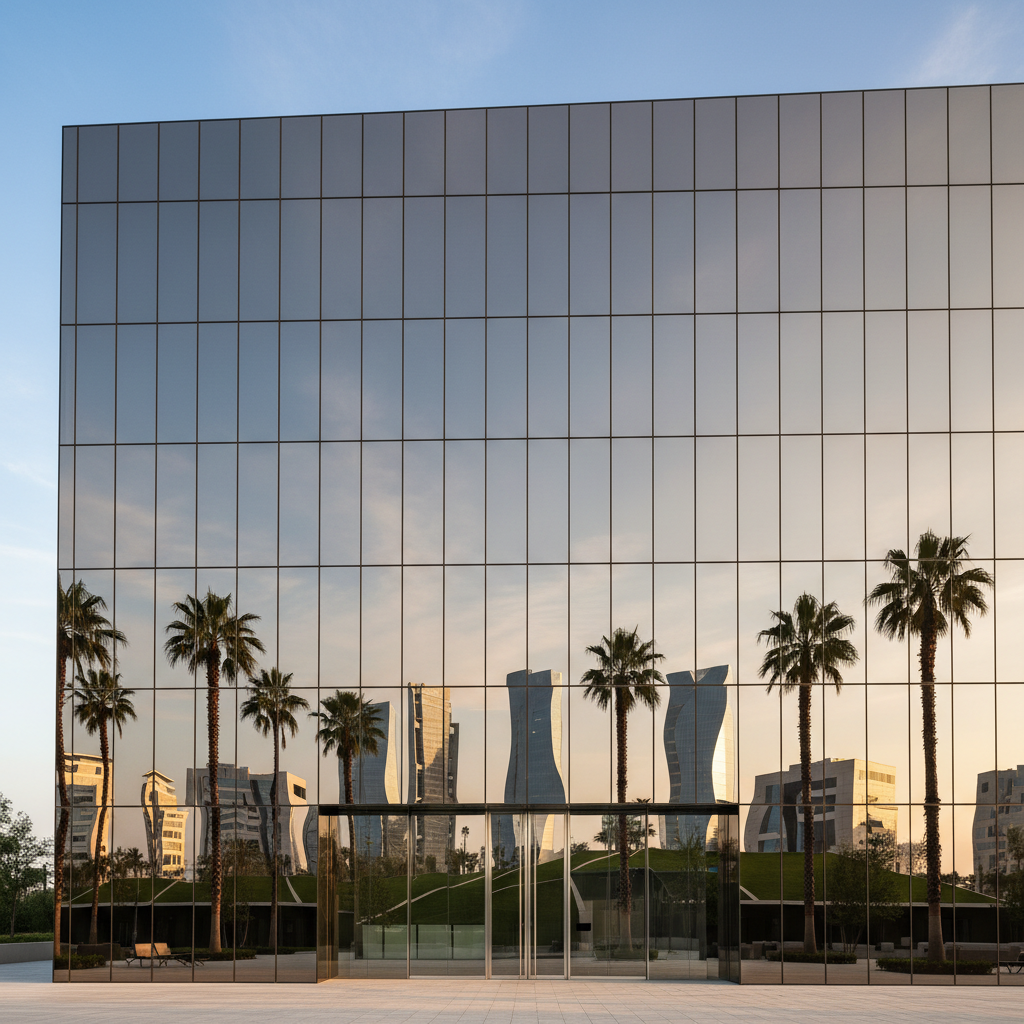
As modern architecture continues to evolve, the integration of innovative aesthetic designs in first surface mirror glass is becoming increasingly prominent. These mirrors, known for their superior reflective qualities, offer architects a unique tool to enhance spatial dynamics and create visually stunning environments. The trend toward minimalist aesthetics is being beautifully complemented by the sleek, seamless surfaces of these mirrors, allowing for a greater sense of depth and openness in both residential and commercial spaces.
In 2025, we can expect to see a range of new treatments and finishes on first surface mirrors that not only amplify their reflective properties but also introduce textures and colors that blend harmoniously with various architectural styles. From ethereal frosted designs to bold, colorful reflective surfaces, these innovations will encourage architects and designers to push the boundaries of traditional mirror applications. Such developments will not only redefine how spaces are perceived but will also enable greater creativity in design, transforming ordinary walls into extraordinary focal points that captivate and inspire.


 Phone
Phone Send Email
 whatsapp
 Facebook