Why is Touch Screen Cover Glass Critical for Your Devices?
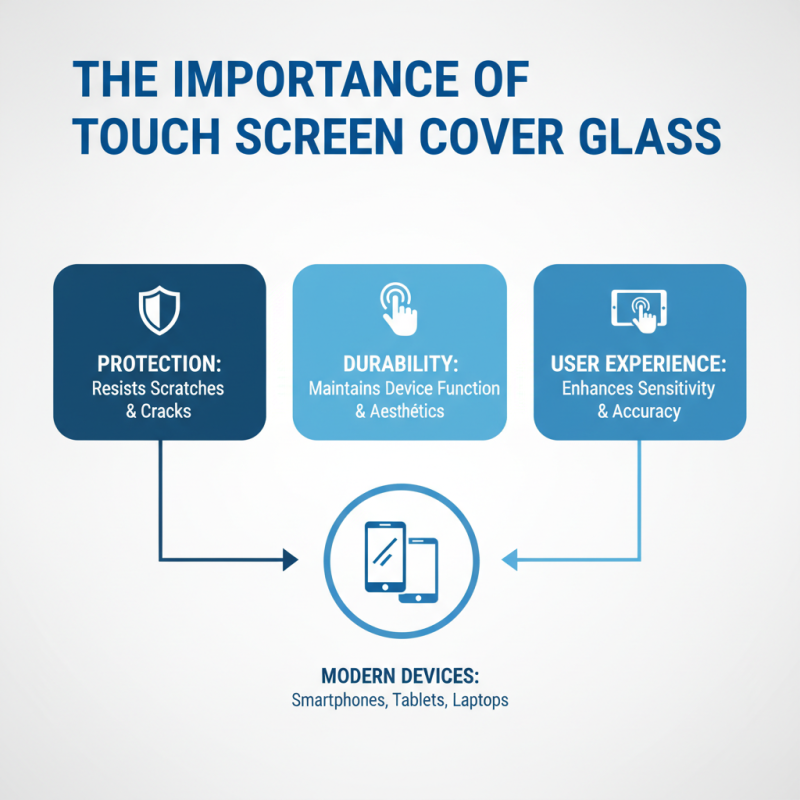
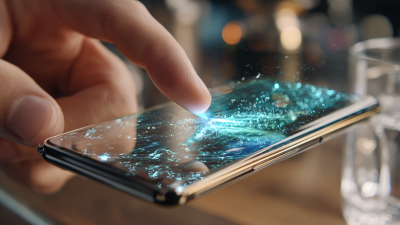
In today's tech-driven world, the significance of Touch Screen Cover Glass cannot be overstated. Renowned industry expert Dr. Emily Carter emphasizes, "A high-quality touch screen cover glass is essential for device longevity and user experience." This simple layer protects sensitive screens from scratches and cracks. It plays a crucial role in device functionality.
When consumers purchase devices, they often overlook glass quality. Many assume all touch screen cover glass is the same, but that's misleading. Different materials offer varying degrees of strength and responsiveness. A poor-quality cover can lead to issues, diminishing the device's overall performance.
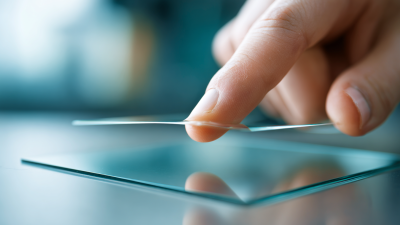
Furthermore, as devices become thinner and lighter, the need for durable cover glass is more critical than ever. Inferior glass not only compromises aesthetics but also raises concerns over safety. Users deserve devices that withstand daily wear and tear. The right touch screen cover glass can enhance both device reliability and user satisfaction, making it a vital component in any modern gadget.
The Importance of Touch Screen Cover Glass in Modern Devices
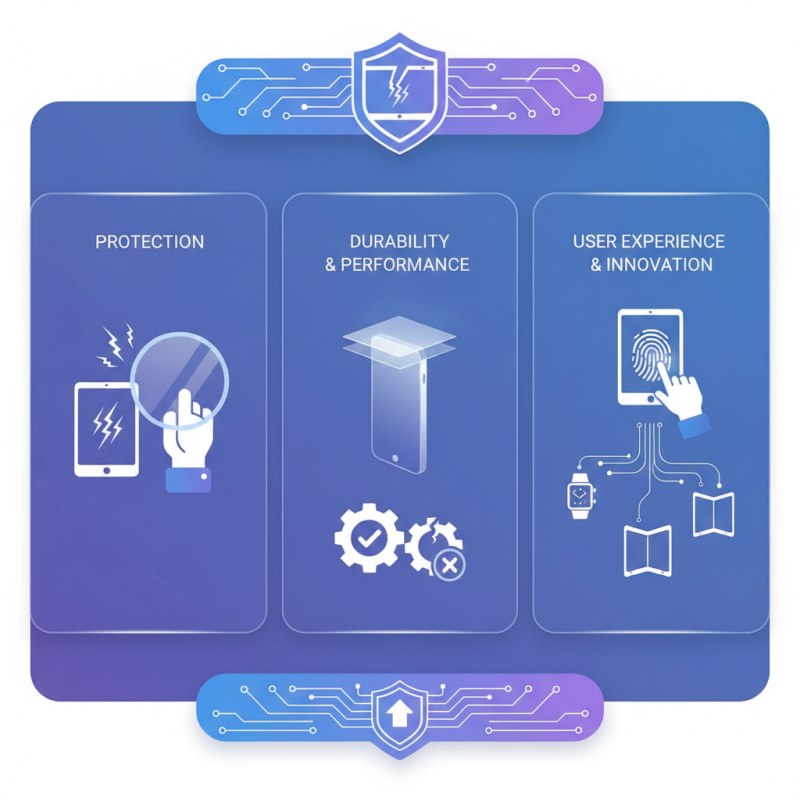
Touch screen cover glass plays a vital role in modern devices. It serves as a protective barrier against scratches, cracks, and other physical damage. With the increasing reliance on smartphones, tablets, and laptops, this component is essential for maintaining device functionality and aesthetics. Additionally, quality touch screen glass enhances sensitivity and accuracy, improving user experience.
When choosing cover glass, consider durability. Look for materials that offer high resistance to impact and scratches. Tempered glass is a popular choice. It provides robustness and clarity. Users should also think about the thickness of the glass. Thicker glass may be more durable, but it can add weight to the device.
Regular cleaning of touch screen surfaces is crucial. Use a soft, microfiber cloth to avoid scratching. Avoid harsh chemicals that could damage the glass. Ensuring a clean surface enhances touch sensitivity. Investing in quality touch screen glass can prolong the life of your device. Choose wisely to balance protection and usability.
Impact of Touch Screen Glass on Device Durability and Longevity
The durability of devices is significantly influenced by the quality of touch screen cover glass. High-quality glass protects against scratches and impacts. This is important because users frequently drop their devices or accidentally knock them against hard surfaces. A cracked screen can lead to internal damage, impacting overall functionality. Users often choose devices based solely on look, neglecting the essential role of durable glass.
The longevity of devices is another critical aspect. Poorly made touch screen glass can wear out quickly, leading to a shorter lifespan. For instance, thin glass may shatter under pressure. Additionally, it may lose sensitivity over time. Users often overlook these factors. Many say they want durability, yet they often opt for appearances over substance. Reflecting on these choices can lead to better long-term satisfaction with devices. The right glass makes a difference in day-to-day use, preventing frustrating issues down the line.
Key Materials Used in Touch Screen Cover Glass Manufacturing
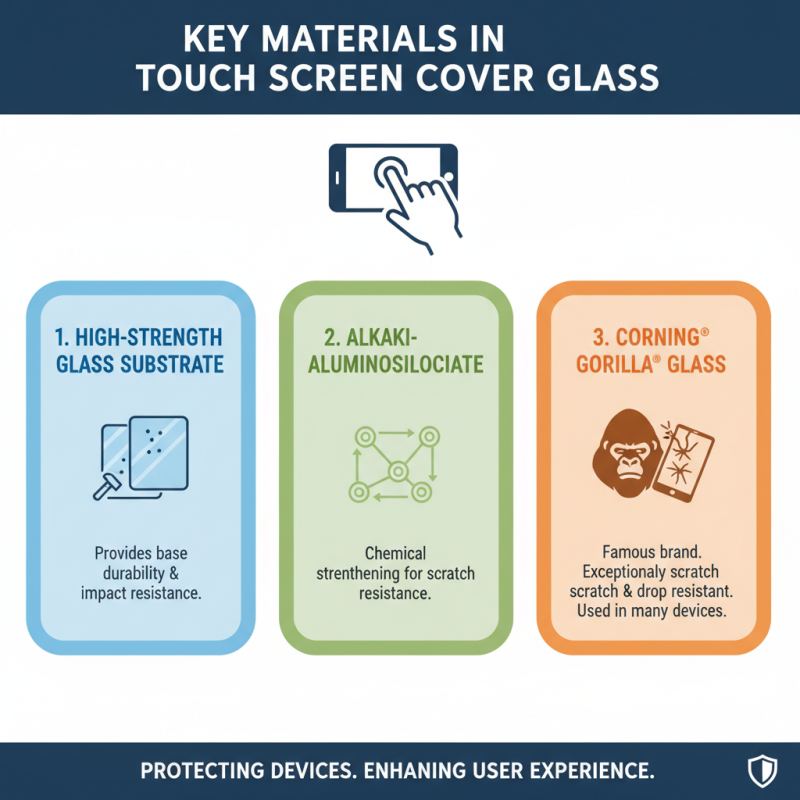
Touch screen cover glass plays a vital role in protecting devices while ensuring a smooth user experience. The manufacturing of this glass involves several key materials, each contributing to its durability and functionality. Corning Gorilla Glass, for instance, is famous for its scratch-resistant properties. This type of glass is designed to withstand the tests of daily use, from drops to scratches.
Another significant material is sapphire glass. Known for its outstanding hardness, sapphire glass offers even greater protection against scratches. It is commonly used in premium devices. However, sapphire’s higher cost and brittleness can be limitations. There's ongoing discussion about balancing durability with cost-effectiveness in touch screen cover glass manufacturing.
Tempered glass is also prevalent in the industry. It undergoes a heating and cooling process, enhancing its strength. This type of glass breaks into small, blunt pieces, reducing the risk of injury. Manufacturers often grapple with achieving the ideal blend of thickness and weight. Finding the perfect balance can be challenging but is crucial for user satisfaction. These materials highlight the complexity and trade-offs in creating effective touch screen cover glass.
Market Trends: Growth of Touch Screen Devices and Glass Demand
The rise of touch screen devices has significantly increased the demand for high-quality cover glass. In recent years, devices like smartphones, tablets, and laptops have become essential in daily life. As technology advances, consumers expect screens to be durable, responsive, and able to withstand rough handling.
Market trends indicate a steady growth in the touch screen sector. This growth links closely to the popularity of smart devices. Users prioritize smooth navigation and vibrant displays. Consequently, the need for reliable cover glass has become critical. The materials used must provide not only clarity but also protection from scratches and impacts.
However, not all glass is created equal. Some manufacturers might cut corners, leading to inferior products. This can be a serious concern for consumers who rely on these devices. When purchasing touch screens, buyers should consider the quality of the glass. Investing in better materials often enhances the overall experience. Understanding the relationship between glass quality and device performance is essential for making informed choices.
Growth of Touch Screen Devices and Glass Demand
Technological Innovations in Touch Screen Glass Protection Solutions
Touch screen cover glass has become essential for modern devices. As technology advances, the materials and designs used in touch screen protection are continually evolving. Many devices now feature reinforced glass that withstands daily wear and tear. Innovations like gorilla glass and sapphire crystal provide optimal durability while maintaining clarity. These advancements offer both aesthetic appeal and functional strength.
When selecting touch screen glass, consider the scratch resistance and breakage potential. A thicker glass may seem more robust, but it can also make devices bulkier. Evaluate the balance between thinness and protection to find the best fit for your lifestyle. Regularly inspect your device for chips or cracks; even minor damage can lead to larger issues eventually.
Tips for prolonging the life of your touch screen include using a quality screen protector. Basic care can go a long way. Always clean your screen with a microfiber cloth to avoid scratches. Avoid placing heavy items on devices, as pressure can weaken the glass over time. Lastly, be mindful of extreme temperatures; excessive heat or cold can impact glass integrity. Keeping these tips in mind will enhance the longevity of your device's screen.
Why is Touch Screen Cover Glass Critical for Your Devices? - Technological Innovations in Touch Screen Glass Protection Solutions
| Dimension |
Description |
Importance |
Innovation Examples |
| Scratch Resistance |
Ability to withstand scratches from sharp objects. |
Prevents display damage, enhancing longevity. |
Nano-coating technologies, hardened glass treatments. |
| Impact Resistance |
Ability to absorb shocks and impacts. |
Reduces the risk of cracks and breaks. |
Tempered glass and composite materials. |
| Optical Clarity |
Transparency and light transmission properties. |
Enhances user experience through clear visuals. |
High-definition glass and anti-reflective coatings. |
| Anti-Fingerprint Coating |
Reduces smudges and fingerprints on the surface. |
Keeps the screen clean and enhances touch responsiveness. |
Oleophobic and hydrophobic treatments. |
| UV Protection |
Blocks harmful ultraviolet rays from the sun. |
Protects internal components and reduces glare. |
UV-blocking glass formulations. |


 Phone
Phone Send Email
 whatsapp
 Facebook