2026 Best Heat-Treated Glass Buyers Guide and Tips?
In today's market, finding the right Heat-Treated Glass requires careful consideration. This type of glass undergoes special processes that enhance its strength and durability. As consumers prioritize safety and aesthetics, understanding options becomes essential.
When selecting Heat-Treated Glass, evaluate your needs. Consider factors such as thickness, size, and finish. Each element plays a crucial role in the glass's functionality. Not all products are created equal, and some may not meet industry standards.
While many options exist, shortcomings can arise. Not all suppliers provide transparency regarding their manufacturing practices. Always verify their credentials. Explore customer reviews to gauge reliability. Your investment in Heat-Treated Glass should fulfill both your safety requirements and design vision.
Understanding Heat-Treated Glass: Definition and Manufacturing Process
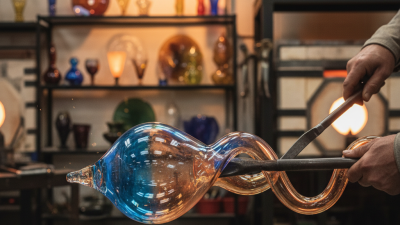
Heat-treated glass is a type of safety glass designed to withstand thermal stress. It undergoes a rigorous manufacturing process that involves heating the glass to over 600°C. The glass is then rapidly cooled, a method known as quenching. This process strengthens the glass and allows it to resist breakage under high temperatures. According to the Glass Association, heat-treated glass can be up to five times stronger than standard glass.
The demand for heat-treated glass has increased significantly. In 2022, the global heat-treated glass market was valued at approximately $4.5 billion. Projections suggest it will reach $7 billion by 2026, a compound annual growth rate of over 10%. This surge is indicative of industries recognizing the benefits of heat-treated glass. It is widely used in construction, automotive, and appliances due to its increased resistance to thermal shock and safety features.
However, understanding the limitations is crucial. There are specific scenarios where heat-treated glass may not perform as expected. For instance, it can shatter into small, blunt pieces when broken, posing risks in certain applications. Furthermore, inconsistencies in thickness can lead to uneven thermal distribution during heating. These factors highlight the need for careful application based on individual project requirements.
Key Benefits of Heat-Treated Glass in Modern Architecture and Design
Heat-treated glass has become a staple in modern architecture and design. The process of heat treatment enhances glass durability and strength. According to a report by the Glass Association, heat-treated glass can withstand temperatures exceeding 600°F, making it suitable for a wide range of applications. This quality ensures safety in buildings exposed to extreme conditions.
One key benefit is resistance to thermal shock. In multifaceted designs, glass often experiences rapid changes in temperature. Heat-treated glass can endure these fluctuations, reducing the risk of breakage. A study showed that up to 60% of glass failures in buildings occur due to thermal stress. Choosing heat-treated options mitigates this concern significantly.
Another factor to consider is energy efficiency. Heat-treated glass can contribute to better insulation. This can lead to lower energy consumption for heating and cooling. Reports indicate that buildings utilizing such glass can save up to 30% on energy bills. However, not all designs require this type of glass. Reflecting on which areas benefit the most is crucial for cost-effective applications.
2026 Best Heat-Treated Glass Buyers Guide and Tips
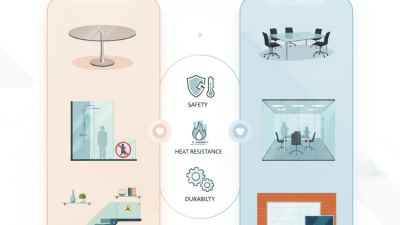
| Feature |
Description |
Key Benefits |
Applications |
| Strength |
Heat-treated glass is much stronger than standard glass, making it resistant to impact. |
Enhanced durability and safety. |
Glass facades, doors, windows. |
| Thermal Resistance |
Can withstand high temperature fluctuations without breaking. |
Ideal for high temperature environments. |
Skylights, greenhouses. |
| Safety |
If broken, it shatters into small, blunt pieces rather than sharp shards. |
Increased safety for occupants. |
Public buildings, homes. |
| Design Flexibility |
Available in various sizes and thicknesses, suitable for multiple applications. |
Versatile design possibilities. |
Furniture, custom installations. |
| Energy Efficiency |
Can be treated to improve insulation properties. |
Lower energy costs and improved comfort. |
Windows, sliding doors. |
Critical Standards and Regulations for Heat-Treated Glass Products
Heat-treated glass is engineered to enhance strength and thermal resistance. However, not all products meet the same standards. Industry regulations are crucial in ensuring safety and quality. In many regions, heat-treated glass must comply with specific ASTM (American Society for Testing and Materials) standards. These regulations address mechanical properties and testing methods.
Moreover, the ISO (International Organization for Standardization) has set global guidelines. These focus on manufacturing processes and material selection. Adhering to these standards not only guarantees durability but also minimizes risks, like thermal shock. Manufacturers should conduct thorough testing. This ensures their products align with these critical standards.
Choosing heat-treated glass requires diligence. Inspect certification and compliance documents carefully. Understand the relevant policies affecting your region. Striking a balance between quality and cost is vital but challenging. Not all suppliers may provide transparent information. Be wary of overly optimistic claims. Asking for test results can reveal product reliability. Building a knowledge base can lead to better purchasing decisions.
Factors to Consider When Choosing Heat-Treated Glass for Your Project
When selecting heat-treated glass for your specific project, there are vital factors to consider. The strength and durability of heat-treated glass are key metrics. According to industry reports, it can withstand thermal stress up to five times more than standard glass. This makes it ideal for both structural applications and environments susceptible to temperature fluctuations.
Another critical factor is the thickness of the glass. Thicker glass generally offers increased strength, but it may not always be necessary for every application. For example, commercial buildings often require thicker panels for safety compliance. Designers and architects must balance aesthetics and structural integrity. Aesthetic considerations should not compromise safety standards.
Cost is also a significant concern. While heat-treated glass provides added durability, it can be more expensive than regular glass. Projects with budget constraints must carefully evaluate the cost-benefit ratio. Keep in mind that investing in high-quality heat-treated glass can prevent future replacement costs. Ultimately, clear decision-making and thoughtful evaluation are essential for achieving the best results in any project involving heat-treated glass.
2026 Best Heat-Treated Glass Overview
This chart illustrates the comparison of different factors to consider when choosing heat-treated glass for your project. The data reflects the average ratings of various attributes such as thermal resistance, impact strength, aesthetics, and cost-effectiveness.
Market Trends and Future Prospects for the Heat-Treated Glass Industry
The heat-treated glass industry is witnessing significant changes. As demand for safety glass rises, market dynamics evolve. Reports indicate that the global market size was around $30 billion in 2021 and is projected to reach nearly $45 billion by 2026. This growth reflects a shift towards increased safety standards and energy efficiency in construction and automotive sectors.
In residential and commercial applications, heat-treated glass offers durability and thermal stability. Innovative technologies are enhancing production efficiency. However, challenges remain. Quality control during glass treatment can be inconsistent. Manufacturers must address these issues to maintain reliability and consumer trust.
Sustainability is becoming a vital trend. Eco-friendly production methods are gaining traction. The push for greener solutions influences market strategies and consumer preferences. Industry players must adapt to these trends while ensuring product safety and performance. Investment in R&D will be crucial for adapting to evolving regulations and consumer expectations.


 Phone
Phone Send Email
 whatsapp
 Facebook