inquiry
Leave Your Message

Top 10 Benefits of Anti Glare Glass for Global Buyers?

In today's fast-paced world, the demand for high-quality visual solutions is on the rise. Anti Glare Glass has emerged as a preferred choice among manufacturers and consumers alike. According to a recent market analysis by MarketsandMarkets, the anti-reflective glass market is projected to reach $7.4 billion by 2025, driven by its increasing application across various sectors, including electronics and automotive.

This glass type minimizes reflections and glare, enhancing visibility and comfort. It not only reduces eye strain but also improves the overall aesthetic of devices. Studies show that over 60% of users experience less fatigue when using screens with Anti Glare Glass. However, it is crucial to choose the right glass based on specific needs, as not all products offer the same quality.

While the benefits are clear, there are challenges. For instance, some consumers may overlook the maintenance required for optimal performance. Additionally, the higher costs associated with premium anti-glare options might deter budget-conscious buyers. Understanding these nuances can lead to better purchasing decisions, making awareness of Anti Glare Glass essential for global buyers.

Top 10 Benefits of Anti Glare Glass for Global Buyers?

Understanding Anti Glare Glass: A Brief Overview of Its Purpose

Anti-glare glass serves a crucial purpose in enhancing visual clarity while reducing eye strain. Its primary function is to minimize reflections from screens and bright surfaces, which can be distracting. According to a study by the Optical Society of America, over 60% of people experience discomfort or fatigue from glare. This discomfort can impact productivity, especially in workplace settings.

A common tip when selecting anti-glare glass is to consider its application. Different settings, like offices or homes, may require specific treatments. For example, a matte finish often works well in bright environments, while a clearer option may suit dimmer spaces. Understanding how light interacts with surfaces can improve choice.

Despite its benefits, anti-glare glass has limitations. Some users may find that it reduces color vibrancy. This might be a concern for graphic designers or artists. Regular evaluations and comparisons of products can guide better purchasing decisions. Balancing glare reduction while maintaining color accuracy is essential.

Key Advantages of Anti Glare Glass for Daily Use in Various Settings

Anti-glare glass offers several notable advantages for daily use in a variety of settings. In offices, it dramatically reduces eye strain caused by harsh light. Employees feel more comfortable during long hours of work. This glass type enhances visibility on screens, allowing for better focus. The result? Increased productivity and less fatigue. Many professionals report improved performance, particularly in jobs requiring extensive screen time.

In homes, anti-glare glass improves the quality of living spaces. Natural light brightens rooms without the annoying glare. It enhances the aesthetics of windows while maintaining clarity. This is especially important in sunny areas. Families can enjoy movies and gaming without the constant battle against reflections. However, some users find that cleaning this glass requires more effort. Streaks may show more than on traditional glass. Despite this, the overall benefits make it a worthwhile investment for everyday environments.

Top 10 Benefits of Anti Glare Glass for Global Buyers

Benefit Description Applicable Settings User Experience
Reduced Glare Minimizes reflections and bright spots, enhancing visibility. Offices, Classrooms, Outdoor Areas Improved focus and decreased eye strain.
Enhanced Clarity Provides clearer images without distortions. Monitors, Glasses, Displays Sharper visuals, better details.
Improved Comfort Reduces fatigue during prolonged screen time. Home, Office, Schools Less discomfort and fewer headaches.
Versatile Use Suitable for various applications, indoors and outdoors. Commercial Spaces, Residences, Vehicles Adapts well to different environments.
Durability Stronger and less prone to scratching than regular glass. All Applications Longer lifespan with consistent performance.
UV Protection Blocks harmful UV rays, protecting users. Outdoors, Windows Safer exposure to sunlight.
Aesthetic Appeal Enhances the look of displays and environments. Design Spaces, Retail Adds a modern touch to interiors.
Better Visibility in Bright Conditions Maintains clarity even in direct sunlight. Outdoors, Brightly Lit Rooms Enhanced viewing experience in challenging lighting.
Reduction in Blue Light Exposure Helps in lessening blue light emitted from screens. Digital Devices, Monitors Potentially better sleep patterns.
Cost-Effective Solution Value for money in terms of longevity and performance. Home, Office, Retail Saves costs on replacements and repairs.

Impact of Anti Glare Glass on Eye Health and Visual Comfort

Anti-glare glass plays a significant role in improving eye health and enhancing visual comfort. This type of glass reduces reflections and glare from artificial light sources. Many people spend hours in front of screens. Glare can cause eye strain and discomfort over time. Anti-glare technology helps to mitigate these issues.

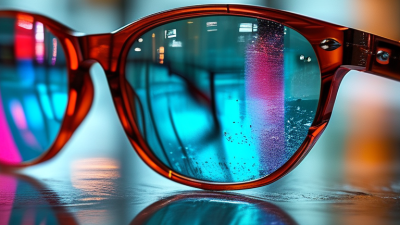
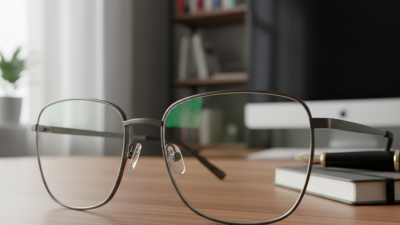
Wearing glasses with anti-glare features can be beneficial for daily activities. For instance, reading or working on a computer becomes easier and less taxing on the eyes. Colors appear more vivid and contrasts sharpen. However, the effectiveness of anti-glare glass varies. Some users report noticing a difference, while others may not feel a significant improvement.

People should consider their unique needs. Not everyone will experience the same benefits. It is important to reflect on personal usage habits. Some environments may require a higher level of glare reduction than others. Testing various types of anti-glare solutions can guide consumers to the right choice for their lifestyle. Ultimately, the goal is to achieve visual comfort and protect eye health in our technology-filled world.

Applications of Anti Glare Glass in Technology and Home Environments

Anti glare glass is gaining traction in various technology and home applications. This glass reduces reflections and enhances visibility. In tech, it's often used in computer monitors, televisions, and smartphones. The reduced glare allows for extended use without eye strain. Users can enjoy sharper images and better colors, which is crucial for graphic designers and gamers.

In home environments, anti glare glass finds its way into windows and table surfaces. These applications limit the harsh sunlight that can cause discomfort. Homeowners appreciate the improved aesthetics, as the glass appears clearer and cleaner. It also minimizes the need for frequent cleaning due to dust and fingerprints.

Though the benefits are clear, some concerns exist. The initial cost of anti glare glass can be higher than traditional options. Additionally, it may require special handling during installation. Users must weigh these factors against accessibility and comfort. Ultimately, the choice depends on individual needs and preferences.

Comparative Analysis: Anti Glare Glass vs. Standard Glass Features and Benefits

Anti-glare glass offers distinct advantages over standard glass. One major benefit is reduced eye strain. According to industry research, up to 60% of users report less discomfort when using anti-glare products in bright environments. This feature makes it particularly valuable for workplaces with heavy screen use.

Comparatively, standard glass can reflect light, causing distracting glares. In contrast, anti-glare glass minimizes reflections and enhances visibility. For example, studies show that anti-glare coatings can reduce reflected light by 90%. This is crucial for settings like hospitals or educational institutions, where clear vision is essential.

**Tip:** When selecting glass, consider lighting conditions in your environment. Higher glare levels might warrant investing in anti-glare solutions.

Additionally, anti-glare glass tends to have greater durability. Its coatings resist scratches and smudges better than standard glass. This longevity means fewer replacements are needed, resulting in lower long-term costs. However, it is important to choose quality materials, as not all anti-glare products are created equal.

**Tip:** Examine product specifications carefully. Look for terms like “anti-reflective” and “scratch-resistant” to ensure maximum benefits.

In conclusion, the choice between anti-glare and standard glass hinges on practical benefits and user needs. A thorough assessment can yield significant advantages in everyday scenarios.

Top 10 Benefits of Anti Glare Glass