Best Tempered Glass Supplier for Global Buyers Seeking Quality?
In the global market, the demand for high-quality Tempered Glass continues to rise. According to a recent report by MarketsandMarkets, the tempered glass market is projected to reach USD 100 billion by 2026, growing at a CAGR of 7.2%. This growth highlights the increasing importance of sourcing from reliable suppliers. As noted by industry expert Dr. Emily Chen, “Quality control in tempered glass production is crucial for safety and durability.”
For global buyers seeking excellence, selecting the right supplier becomes paramount. Various manufacturers offer different grades of tempered glass, impacting product performance. Some suppliers may cut costs, which can compromise quality. For instance, a lack of precise cooling processes can lead to weak structural integrity, raising safety concerns.
Navigating the myriad options available requires careful consideration. Trade shows and supplier certifications can aid in vetting potential partners. Ultimately, the pursuit of superior tempered glass is not just about procurement; it necessitates a commitment to quality and safety in every aspect of the supply chain.

Overview of Tempered Glass and Its Applications
Tempered glass is a type of safety glass that undergoes a thermal treatment process, making it significantly stronger than regular glass. This process increases its resistance to thermal stress and impact. According to a report from the Glass Association, tempered glass can be up to five times stronger than standard glass. This property makes it ideal for various applications, such as building facades, shower doors, and automotive windows.
In construction, tempered glass is often used in areas where safety is critical. Due to its strength, it is less likely to shatter and cause injuries. The demand for tempered glass in the architectural sector has risen, with the global market projected to reach $70 billion by 2025. However, the production process has its challenges. Quality control in manufacturing can be inconsistent, leading to potential issues with clarity and strength.
The automotive industry is another significant user of tempered glass. Windshields and side windows are often made from this durable material. According to a 2022 market analysis, the automotive tempered glass segment is growing rapidly, driven by heightened safety standards. Nevertheless, not all manufacturers maintain the same level of quality. Buyers should be cautious and seek suppliers who adhere strictly to industry standards.
Top Global Suppliers of Tempered Glass: A Comparative Analysis
In recent years, the tempered glass market has seen significant growth. According to a report by Grand View Research, the global tempered glass market was valued at approximately $23 billion in 2022. This value is projected to reach over $38 billion by 2030, signaling an increasing demand for quality suppliers.
When comparing global suppliers of tempered glass, several factors come into play. The production process is critical. Suppliers who use advanced technology achieve better quality and durability. Studies indicate that tempered glass can withstand thermal stress, making it suitable for various applications, from architecture to automotive. However, inconsistent manufacturing practices can lead to product failures, creating safety concerns.
Regulations play a vital role in defining quality standards. Suppliers must navigate these guidelines effectively to ensure compliance. The complexity of such regulations can make it challenging for some suppliers to maintain consistent quality. Transparency in production processes becomes essential for buyers focusing on reliability. A supplier's willingness to share information about their practices can indicate their commitment to quality.
Factors Influencing the Choice of Tempered Glass Suppliers
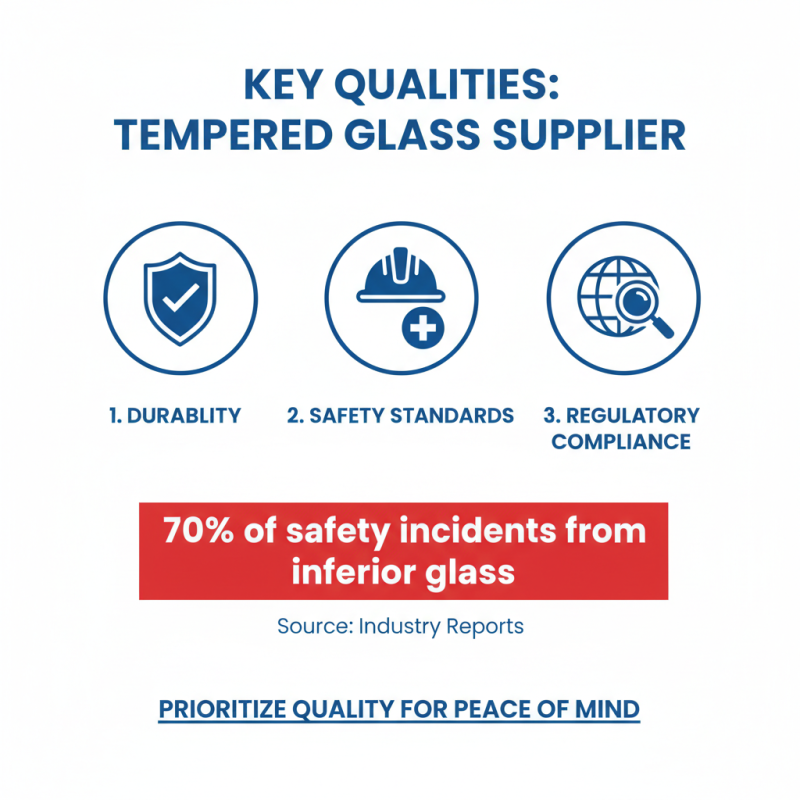
When selecting a tempered glass supplier, several key factors come into play. First, the quality of the product is essential. Look for suppliers that adhere to international safety standards. This ensures that the tempered glass will not only meet aesthetic needs but will also perform under pressure. The manufacturing process should be transparent, reflecting a commitment to quality control.
Another important factor is the supplier's experience in the industry. A supplier with years of experience is likely to have a better grasp of the market's demands. However, newer suppliers can also offer innovative solutions. It's worth exploring their unique offerings. Reliability also plays a significant role. References and customer reviews can shed light on this aspect. A few negative reviews should not be overlooked; they could indicate critical flaws in service or product delivery.
Lastly, consider the supplier's customer service. Effective communication can make a difference in your purchasing experience. A responsive supplier shows they care about client needs. However, not every interaction may meet your expectations, and it’s essential to address any discrepancies proactively. Choosing the right supplier requires careful evaluation of these factors to ensure a satisfactory partnership.
Best Tempered Glass Supplier for Global Buyers Seeking Quality? - Factors Influencing the Choice of Tempered Glass Suppliers
| Dimension |
Material Quality |
Production Capacity (units/month) |
Certification |
Delivery Time (days) |
Price Range ($/sqm) |
| 4mm |
High |
50,000 |
ISO 9001 |
10 |
20 - 25 |
| 6mm |
Medium |
30,000 |
CE |
15 |
15 - 20 |
| 8mm |
High |
40,000 |
ISO 14001 |
12 |
25 - 30 |
| 10mm |
High |
25,000 |
ANSI |
20 |
30 - 35 |
Sustainability Practices in the Tempered Glass Industry
Sustainability is becoming crucial in the tempered glass industry. The production of glass is energy-intensive and often results in significant carbon emissions. According to a recent industry report, up to 30% of global glass emissions come from manufacturing processes. Many suppliers are now focusing on adopting sustainable practices to reduce this impact.
Recycling is a key aspect of these initiatives. The use of cullet, or recycled glass, can reduce energy consumption by up to 50%. This not only lowers emissions but also conserves raw materials. Workshops are growing in popularity that teach companies how to incorporate recycled materials efficiently. Implementing such practices can enhance a supplier's reputation among eco-conscious buyers.
Tip: Always ask suppliers about their recycling rates and sustainability measures.
Emphasizing responsible sourcing is vital too. Many producers are now turning to renewable energy sources. A survey found that around 40% of suppliers plan to shift to solar or wind power by 2025. However, progress can be slow. The transition often requires significant investment.
Tip: Look for suppliers who transparently share their sustainability goals and achievements.


 Phone
Phone Send Email
 whatsapp
 Facebook