How to Choose Bipv Solar Facade Glass for Your Building?
The increasing demand for sustainable architecture has made Bipv Solar Facade Glass a popular choice among builders and architects. According to the International Energy Agency, the global solar energy market is projected to grow significantly, with a focus on integrating solar technologies into buildings. Bipv Solar Facade Glass not only generates energy but also enhances the aesthetics of a building, providing a double benefit.
However, selecting the right Bipv Solar Facade Glass can be challenging. Factors such as energy efficiency, cost, and visual quality must be carefully considered. A report by the Solar Energy Industries Association indicates that the integration of solar technology into building facades can improve energy performance by up to 25%. Yet, many projects overlook critical elements like local climate conditions and building orientation when choosing materials.
It is essential to reflect on these considerations to make informed decisions. While Bipv Solar Facade Glass holds potential, improper selection can lead to inefficiencies or higher costs. Each project requires a tailored approach, ensuring that the unique needs of the building and its environment are met. Balancing aesthetics and functionality is key to maximizing the benefits of Bipv Solar Facade Glass.
Understanding BIPV Solar Facade Glass and Its Benefits
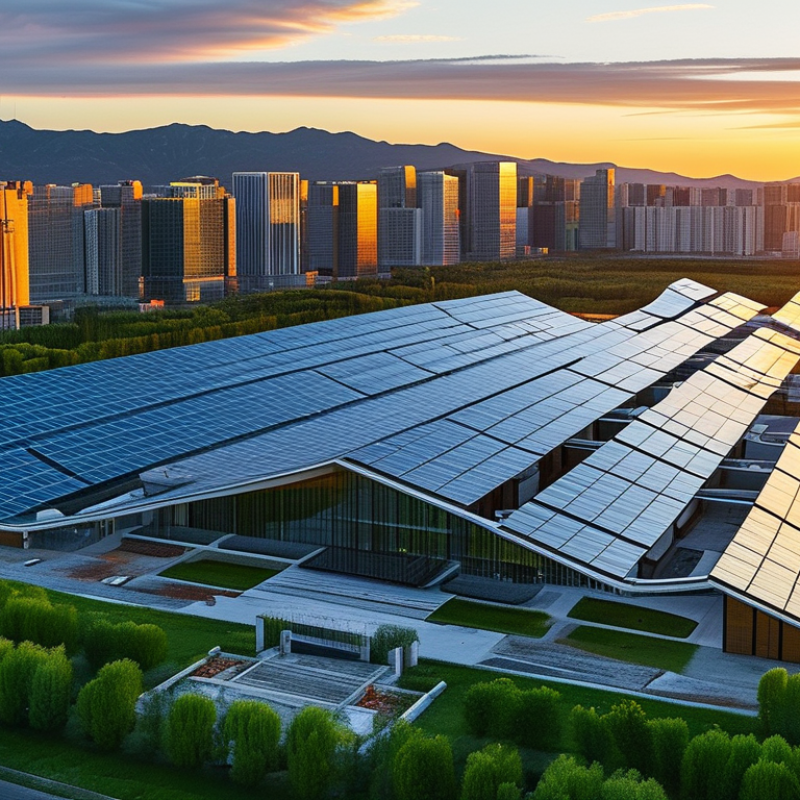
BIPV solar facade glass represents a blend of architectural beauty and energy efficiency. This innovative technology integrates photovoltaic cells within building facades. It allows structures to generate electricity while fulfilling aesthetic objectives. The glass can be customized in various colors and transparency levels. This versatility aids in maintaining the building’s design vision.
One significant benefit of BIPV glass is its ability to reduce energy costs. With the right design, buildings can produce a substantial portion of their energy needs. This aspect not only enhances sustainability but also improves property value. However, installation can be complex. Proper expertise is essential to avoid potential inefficiencies in energy capture.
While the advantages are clear, some challenges remain. Long-term performance data is still emerging. Building owners should consider these aspects carefully. Knowledge of local regulations is crucial. Understanding the technology's limitations will lead to more effective decisions. Investing time in research is worthwhile for sustainable outcomes.
How to Choose Bipv Solar Facade Glass for Your Building?
| Dimension |
Details |
| Type of BIPV Glass |
Monocrystalline, Polycrystalline, Thin-film |
| Efficiency Rate |
15% - 22% |
| Color |
Blue, Black, Transparent |
| Thickness |
6mm, 8mm, 10mm |
| U-Value |
1.1 W/m²K - 1.3 W/m²K |
| Solar Gain Factor |
0.3 - 0.7 |
| Warranty |
25 Years for performance |
| Applications |
Commercial buildings, Residential buildings, Facade integration |
| Cost |
$200 - $600 per square meter |
Key Factors to Consider When Choosing BIPV Solar Facade Glass
When selecting BIPV solar facade glass, several key factors play an important role. The glass type matters significantly. Options range from monocrystalline to thin-film. Each type has its own efficiency and aesthetic appeal. Think about how each option matches the building's design. Visual harmony and energy generation should be balanced.
Consider the climate where the building is located. Different environments can affect the performance of BIPV glass. Durability and resistance to weather conditions are crucial. Not all glass performs well in extreme heat or cold. Researching local weather patterns can provide insights into which glass types may struggle in specific conditions.
Lastly, energy goals must be clear. Understanding the intended energy output is vital. Some glass may produce more energy but at a higher cost. Reflect on the budget and energy needs carefully. It’s a complex decision, requiring thoughtful consideration of multiple factors. Choices should reflect a building's overall vision while ensuring performance and style.
Comparing Different Types of BIPV Solar Facade Glass Materials
When selecting BIPV solar facade glass, understanding the different material types is essential. Notably, crystalline silicon and thin-film materials dominate the market. According to the International Energy Agency, crystalline silicon accounts for roughly 90% of solar module production. It offers higher efficiency, often exceeding 20%. However, its production can be resource-intensive, raising sustainability concerns.
On the other hand, thin-film technologies, including cadmium telluride and amorphous silicon, provide unique advantages. They are lighter and more flexible, making them suitable for various architectural applications. However, their efficiency typically ranges from 10% to 12%, which may require more surface area for energy output. This raises questions about optimal site design and placement to maximize their effectiveness.
Decision-makers must weigh the pros and cons of each type. Cost, efficiency, and sustainability are critical factors in this analysis. Reports indicate that while crystalline options are efficient, the environmental footprint of their production can diminish their appeal. BIPV solutions must be tailored to each project’s unique requirements. Ultimately, the choice of materials in BIPV solar facade glass should balance performance with environmental responsibility.
Comparison of Different Types of BIPV Solar Facade Glass Materials
Evaluating Energy Efficiency and Aesthetic Appeal
Evaluating the energy efficiency and aesthetic appeal of BIPV solar facade glass is crucial for modern architecture. According to a report by the International Energy Agency, buildings account for nearly 40% of global energy consumption. Utilizing BIPV glass can reduce this figure significantly. Not only does it generate electricity, but it also helps with insulation. Studies indicate that glass facades can reduce heating and cooling needs by up to 30%.
Aesthetically, BIPV solar glass offers a variety of design options. Architects can create striking visual effects while achieving energy goals. The integration into building design promotes a modern look. However, challenges remain. Installation and maintenance costs can be high. Additionally, transparency and color can affect energy yield and light transmission. Balancing these factors is essential for optimal performance and appeal. Each project requires careful consideration to ensure the right choice of materials.
Ultimately, architects must weigh energy efficiency against aesthetic goals. The decision process should involve a thorough analysis of local climate, regulations, and intended use of the building. Using BIPV solar facade glass can significantly enhance a building's sustainability profile, but it comes with complexities that need addressing.
Installation and Maintenance Considerations for BIPV Solar Glass
When considering BIPV solar facade glass, installation and maintenance play crucial roles. Proper installation requires careful handling to prevent damage. Glass panels must be mounted securely to withstand wind and weather. Incorrect installation can lead to leaks, reducing efficiency. Working with professionals who understand the nuances of BIPV systems is essential. Their expertise ensures that every panel is optimally positioned for sunlight exposure.
Maintenance of BIPV solar glass is another key factor. Regular cleaning is necessary to remove dirt and debris, which can obstruct sunlight. Use simple cleaning solutions and avoid abrasive materials. Inspect the panels periodically for cracks or damage. Addressing minor issues early can prevent larger problems later. Some users might overlook this aspect, thinking solar glass is maintenance-free. After all, a well-maintained facade maximizes energy output and extends the lifespan of the system. Building owners must be proactive in these tasks for better longevity and performance.


 Phone
Phone Send Email
 whatsapp
 Facebook