What is Glass Lens and How Does It Benefit You?
In today's fast-paced world, many people overlook the importance of high-quality optics. Glass lenses are crucial components in various applications, from eyeglasses to cameras. Dr. Emily Carter, an optics industry expert, once said, "The clarity and precision of glass lenses significantly influence our visual experiences." This highlights the remarkable benefits that glass lenses bring to daily life.
Glass lenses provide superior optical quality compared to plastic alternatives. They are less prone to scratches and offer a sharper image. Many users report a noticeable difference in clarity when switching to glass lenses. Additionally, these lenses tend to have a longer lifespan, making them a reliable choice.
However, there are aspects requiring consideration. Glass lenses can be heavier than their counterparts, potentially causing discomfort for some wearers. Balancing the pros and cons is essential. Ensuring you choose the right lens for your needs is vital for performance and comfort.
Definition and Composition of Glass Lenses
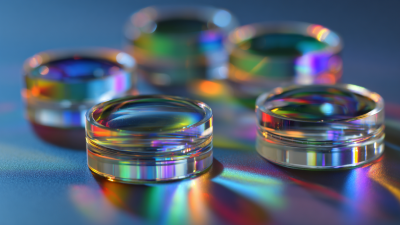
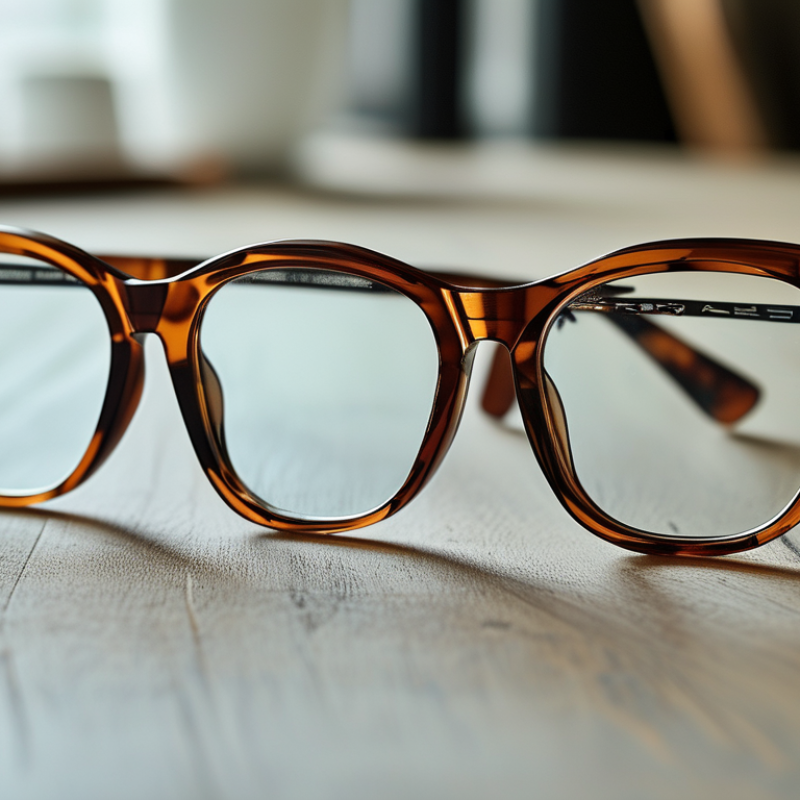
Glass lenses are crafted from high-quality glass, offering clarity and durability. The composition typically includes silica, lead oxide, and various additives. Silica provides the fundamental structure, while lead oxide enhances refractive properties. This unique mix results in lenses that are lightweight yet strong, perfect for eyewear.
When choosing glass lenses, consider their benefits. They resist scratches better than plastic counterparts. Their optical clarity is often superior, providing a more vivid visual experience. Glass lenses also have a longer lifespan, reducing the need for frequent replacements.
Tips: Always handle your lenses with care. Use a microfiber cloth for cleaning to avoid scratches. Store them safely in a case to prevent damage. Regularly check for any signs of wear, as this may affect your vision quality.
Types of Glass Lenses and Their Applications
Glass lenses come in various types, each serving unique purposes. The most common types include single vision, bifocal, and progressive lenses. Single vision lenses correct myopia or hyperopia. They offer a straightforward solution for those needing a single focal point. Bifocal lenses have two distinct sections, catering to both distance and near vision needs. Progressive lenses provide a gradual change in focal strength, allowing for a seamless transition between distances.
When choosing a lens type, consider your lifestyle. For example, are you active or do you spend long hours on screens? This can influence your choice. Tips: Regular eye exams help ensure your prescription is up-to-date. Keeping your lenses clean can prevent scratches and maintain clarity.
In addition, customized options like photochromic lenses adapt to light. This feature enhances comfort but may not be suitable for all environments. Reflect on the benefits and limitations of each type. A thorough understanding can lead to better choices for your vision needs.
Advantages of Using Glass Lenses Over Plastic Alternatives
Glass lenses offer several advantages over their plastic counterparts. One significant benefit is their superior optical clarity. They provide sharper images and better color accuracy. Glass lenses are also more scratch-resistant. This makes them ideal for those who lead active lifestyles. They can withstand harsh environments.
Another advantage is durability. Glass lenses generally last longer than plastic ones. They are less prone to damage from daily wear and tear. However, they can be heavier and may require more time to get used to. Additionally, glass lenses can break more easily. It’s important to handle them with care to avoid accidents.
Tips: When choosing glass lenses, ensure they are treated with anti-reflective coatings. This reduces glare and enhances your visual experience. Also, consider your daily activities. If you’re active, weigh the pros and cons carefully. Glass is reliable but needs cautious usage.
Maintenance Tips for Glass Lenses to Ensure Longevity
When it comes to glass lenses, maintaining their integrity is vital. Proper care ensures they last longer and continue to provide clear vision. Here are some essential tips to keep your glass lenses in top condition.
Always use a microfiber cloth to clean your lenses. This material is gentle and minimizes scratches. Avoid using paper towels or clothing, as these can damage the lens surface. Remember to clean them frequently. Dust and grime can accumulate quickly, leading to reduced clarity over time.
Avoid exposing your lenses to extreme temperatures. High heat can cause frames to warp, while cold can make glass brittle. Store your glasses in a protective case when not in use. This simple step can prevent accidents that lead to scratches or breaks.
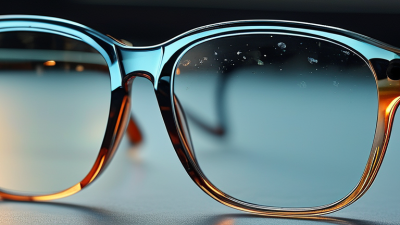
Mistakes happen, even with careful handling. Sometimes, a subtle scratch appears. It’s tempting to ignore it, yet addressing it promptly is wise. Consider professional polishing for deeper scratches. Remember, a little attention goes a long way. Taking these steps will help you maintain your glass lenses effectively.
What is Glass Lens and How Does It Benefit You? - Maintenance Tips for Glass Lenses to Ensure Longevity
| Aspect |
Details |
| Material |
Optical glass, providing excellent clarity and durability. |
| Benefits |
High scratch resistance, superior optical quality, and longevity compared to plastic lenses. |
| Maintenance Tip 1 |
Use a microfiber cloth to clean your lenses to avoid scratches. |
| Maintenance Tip 2 |
Store glasses in a protective case when not in use. |
| Maintenance Tip 3 |
Avoid exposing lenses to harsh chemicals or extreme temperatures. |
| Expected Lifespan |
With proper care, glass lenses can last several years without significant degradation. |
Common Myths and Misconceptions About Glass Lenses
Many people hold misconceptions about glass lenses. One common myth is that they are too heavy and uncomfortable. In reality, advancements in technology have led to much lighter glass options, making them comfortable for daily wear.
Another prevalent belief is that glass lenses are prone to shattering. While glass can break, modern techniques enhance durability. Quality glass lenses can withstand daily impact better than expected.
Tips for selecting glass lenses: Look for anti-reflective coatings. They reduce glare and improve clarity. Also, consider UV protection to shield your eyes from harmful rays. Understanding these details helps demystify glass lenses and highlights their benefits.
Lastly, some may think glass lenses lack versatility. However, they come in various styles and prescriptions. This makes them suitable for a wide array of lifestyles. Keeping these considerations in mind can make a substantial difference in your glasses' effectiveness.
Benefits of Glass Lenses vs. Plastic Lenses


 Phone
Phone Send Email
 whatsapp
 Facebook