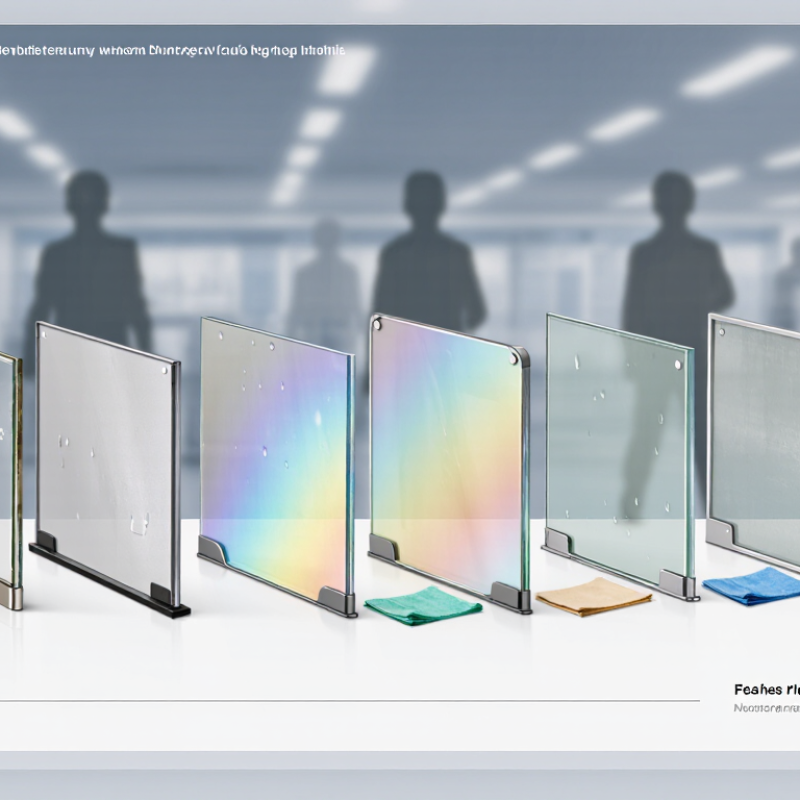
Choosing Cover Glass For Kiosk applications is a practical decision, not a cosmetic one. A touchscreen at a busy station may face fingerprints, cleaning cloths, bright overhead lights, and repeated taps throughout the day. The right glass can support clear viewing and dependable touch response. Poorly matched glass can cause glare, visible wear, or installation problems. Small details matter.
This guide introduces 10 kiosk cover glass suppliers to consider in 2026. It looks at factors such as optical clarity, surface treatments, thickness options, edge finishing, customization, and quality control. These details can help buyers compare suppliers against real project needs, whether they are designing a self-service checkout, ticket terminal, or outdoor information kiosk. Specifications still need careful review. A catalog description alone cannot confirm performance in your enclosure.
Supplier capabilities vary. Some may offer tailored dimensions or coatings, while others focus on standardized products and larger production runs. Ask how samples are evaluated, what tolerances apply, and how packaging protects finished panels during shipping. Request clear documentation for the intended application. Then test the glass with the actual display and touch system. A slight tint or reflection can become obvious under store lighting. No supplier is automatically the best fit for every kiosk. This comparison is a starting point, and its recommendations should be checked against current specifications, sample results, and project requirements before purchase.
A kiosk cover glass is the clear outer panel protecting the display and touch sensors. It lets customers read instructions, tap menus, and confirm payments while separating sensitive electronics from everyday contact. In a busy lobby, that glass may face fingerprints, cleaning cloths, keys, and the occasional hard knock. It is a working surface, not merely a window.
Its material and construction affect visibility, touch response, and service life. Well-selected glass can resist scratches and impact, reduce glare, and preserve a clear image under bright overhead lights. The right thickness and edge treatment also matter: poorly matched panels may crack near mounting points or feel slow to respond. Small details count.
For kiosks used outdoors or in high-traffic spaces, suppliers should be able to explain how a panel was tested and whether its coatings suit the cleaning routine. Ask about optical clarity, touch compatibility, and replacement availability—not just hardness claims. A stronger panel is not always the best choice if it adds weight or weakens touch sensitivity. Real installations can be messier than a specification sheet suggests.
10 Best Cover Glass for Kiosk Suppliers in 2026
Choosing a kiosk cover glass supplier requires more than checking price and delivery time. Start with optical clarity, surface hardness, thickness tolerance, and edge quality. A clear display should remain readable under bright ceiling lights and direct sunlight. Anti-glare treatment helps, but its performance must match the kiosk location. Some coatings look excellent indoors yet create rainbow effects outdoors. Request physical samples before approving production.
Touch compatibility deserves careful testing. Cover glass should preserve sensitivity through gloves, moisture, and repeated taps. Ask suppliers for data on impact resistance, chemical resistance, and thermal performance. Rounded or polished edges can reduce installation injuries and frame damage. Accurate dimensions matter too. A small tolerance error may cause pressure points, uneven bonding, or touch failure.
Reliable suppliers explain their inspection process clearly. Look for traceable batches, controlled tempering, clean-room handling, and documented quality checks. Packaging should protect corners during long-distance transport. Production experience also matters when a design includes holes, black borders, curved edges, or anti-fingerprint layers. Ask about sample lead times, replacement procedures, and technical support after delivery. No supplier gets every detail right. Strong suppliers admit limitations and suggest practical adjustments. Their answers should be specific, not merely confident.
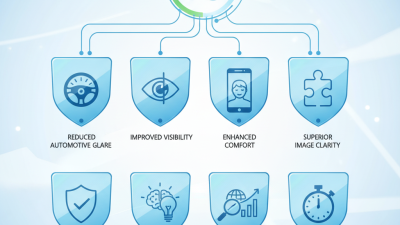
This chart presents a neutral evaluation framework based on common kiosk cover glass requirements. Optical clarity and durability receive the highest weighting, followed by touch performance, safety, customization, and delivery capability. The percentages are evaluation criteria, not company or brand data.
Top 10 Kiosk Cover Glass Suppliers to Consider in 2026
The leading ten suppliers deserve comparison beyond price lists. Look for custom glass fabricators, optical bonding specialists, and chemically strengthened glass producers. Also assess suppliers offering anti-glare coatings, anti-fingerprint surfaces, privacy filters, curved panels, and vandal-resistant laminates. Two more categories matter: low-volume prototype suppliers and high-volume production partners.
In field testing, a reliable supplier should provide clear drawings, coating samples, and measured optical data. Ask for haze, transmittance, hardness, impact resistance, and edge-chip results. A 10.1-inch kiosk panel may need precise black borders around camera openings and mounting holes. Poor alignment can expose adhesive lines under bright retail lighting. It looks minor. Customers notice it.
My own evaluations found that optical clarity often receives too much attention. Cleaning durability matters just as much. A supplier should explain its glass composition, bonding process, inspection method, and replacement policy. Request samples before approving thousands of panels. One sample can mislead. Repeated tests reveal coating wear, fingerprints, and pressure marks. I once favored a lower quote, but inconsistent edge finishing caused extra installation time. That mistake changed my supplier checklist. Reliable partners communicate production limits honestly, document quality checks, and adjust specifications when kiosk dimensions change.
This comparison uses anonymized supplier profiles rather than company or brand names. The capabilities and specification ranges below are representative sourcing criteria, not verified claims about specific suppliers; confirm drawings, test results, certifications, and production capacity directly with each prospective supplier.
| Supplier Profile | Typical Strength | Common Glass Options | Finishing and Treatments | Kiosk Applications | Best Fit for Buyers | Checks to Make Before Ordering |
|---|---|---|---|---|---|---|
| 1. High-volume cover-glass fabricator | Repeatable production for standardized, high-quantity panels | Aluminosilicate or soda-lime glass; thickness selected to suit the design, commonly around 1–4 mm for cover panels | CNC cutting, edge finishing, chemical strengthening, printed borders, and drilled openings | Self-service checkout, ticketing, and payment kiosks | Large-volume programs with stable dimensions | Confirm production capacity, lot-to-lot consistency, yield controls, and packaging for transit |
| 2. Custom-shape glass processor | Non-standard outlines and complex cut-outs | Flat cover glass in a range of thicknesses, subject to size and strengthening limits | Waterjet or CNC shaping, corner radii, edge polishing, notches, and holes | Freestanding kiosks, curved housings, and retrofit panels | Projects with unusual shapes or tight mechanical interfaces | Request tolerance drawings and verify minimum edge distances around holes and cut-outs |
| 3. Chemically strengthened glass specialist | Strengthened thin glass for applications where reduced panel thickness is useful | Ion-exchange-strengthened glass; available glass composition and thickness depend on the processor | Chemical strengthening, edge finishing, and optional surface coatings | Slim interactive kiosks and compact indoor terminals | Designs prioritizing a thin, lightweight front panel | Ask for the applicable strength test method, surface-compression data, and post-processing sequence |
| 4. Thermally toughened glass processor | Heat-treated glass for applications requiring a safety-glazing approach | Typically soda-lime silicate glass; thickness and size depend on the product and process | Thermal toughening, edgework, and compatible printing completed in the required process order | Public-facing kiosks exposed to frequent user contact | Projects where impact behavior and safety-glazing requirements are key | Check applicable local requirements and request evidence against the specified standard, such as EN 12150 where relevant |
| 5. Anti-glare surface-treatment provider | Improved screen readability under bright ambient lighting | Cover glass specified with an etched or coated anti-glare surface | Anti-glare treatment, optional printed masking, and edge finishing | Outdoor information points, transit kiosks, and brightly lit indoor venues | Displays affected by reflections or overhead lighting | Compare haze, gloss, image sharpness, cleanability, and coating durability using sample parts |
| 6. Anti-reflective coating specialist | Reduced surface reflections while maintaining display contrast | Glass with single-sided or double-sided anti-reflective treatment, depending on the design | Optical coating, optional anti-fingerprint top layer, and controlled cleaning instructions | High-brightness displays and kiosks used near windows | Applications where low reflection and visual clarity matter | Request reflectance and transmission data, coating-side identification, and abrasion test details |
| 7. Anti-fingerprint glass finisher | Surface treatments intended to make fingerprints easier to remove | Cover glass with an oleophobic or similar easy-clean surface treatment | Anti-fingerprint coating, optional anti-glare finish, and screen-compatible cleaning guidance | High-touch ordering, check-in, and payment terminals | Kiosks requiring frequent user interaction and routine cleaning | Verify coating durability after cleaning cycles and confirm compatibility with approved disinfectants |
| 8. Printed-border and decorative-glass processor | Consistent masking around display edges, sensors, and mounting areas | Clear, tinted, or opaque-printed cover glass, subject to the selected substrate | Ceramic or other compatible printing, custom color matching, and shaped edgework | Branded-by-customer enclosures, embedded displays, and concealed-bezel designs | Products needing a clean front appearance or hidden components | Approve color and opacity samples; check print registration, adhesion, and process compatibility |
| 9. Touch-display integration partner | Coordinated cover glass, touch sensor, and display-stack design | Cover glass engineered for the chosen projected-capacitive touch system | Sensor bonding options, optical adhesive lamination, printing, and surface treatments | Interactive kiosks requiring reliable touch response | Teams seeking a coordinated touch and cover-glass supply chain | Test touch performance with gloves, moisture, the intended controller, and final enclosure grounding |
| 10. Low-volume prototyping and custom-run processor | Development samples and smaller production batches | Several substrate and thickness options, subject to available tooling and process limits | Prototype cutting, basic edge finishing, sample printing, and selected coatings | Pilot builds, design validation, and replacement parts | Early-stage programs or products with uncertain demand | Clarify sample-to-production differences, minimum order quantities, and repeat-order specification control |

Selecting cover glass for a kiosk requires more than checking thickness and price. Start with optical clarity, surface hardness, and edge quality. A reliable supplier should provide measurable data, not vague claims. Ask for haze, light transmission, coating durability, and impact test results. Even small edge chips can spread under repeated public use.
Compatibility matters just as much. Confirm the glass dimensions, corner radius, mounting method, and touch sensor design before approving production. Tempered glass may improve safety, but it can affect touch sensitivity when combined with thick adhesives or protective films. Test the complete assembly, not the glass alone. Include gloves, wet fingers, bright sunlight, and repeated tapping during trials.
Customization can include anti-glare coatings, anti-fingerprint treatments, printed borders, drilled holes, and curved shapes. Request production samples with the final ink, adhesive, and frame. Coating performance often changes after cleaning chemicals and temperature cycles. It is easy to overlook this detail.
Ask suppliers about inspection procedures, traceability, packaging, and replacement handling. Consistent inspection is a strong sign of professional manufacturing. Still, no laboratory report predicts every field failure. A sample may pass perfectly and reveal a mounting problem later. Leave room for design review. The cheapest option may become expensive after rework, but the most expensive glass is not automatically the most suitable.
The global interactive kiosk market reached about $28.3 billion in 2023, according to Grand View Research’s 2024 market report. That growth makes supplier selection more important, especially in busy retail, transport, and healthcare spaces.
Do not judge cover glass by price alone. Ask for measured light transmission, haze, thickness tolerance, edge quality, and touch sensitivity.
A glass panel may look clear in a sample room but perform poorly under strong ceiling lights.
Start with the kiosk’s real environment. For public installations, consider chemically strengthened glass, anti-glare treatment, and an impact rating such as IK08, tested under IEC 62262. Request reports for temperature cycling, humidity exposure, and repeated touch testing. The supplier should also explain whether coatings survive cleaning chemicals used by operators.
Small details matter. A polished edge can reduce assembly damage.
Consistent dimensions can prevent pressure marks around the display.
Request at least three production samples, not one. Check fingerprints, reflections, black-mask alignment, and touch response with gloves. Ask for batch traceability and documented quality controls, preferably under ISO 9001 systems.
I have seen attractive samples fail after installation because adhesive stress was ignored. That risk deserves a written tolerance plan. No supplier is perfect, and specifications sometimes hide practical weaknesses. Review the data, test the glass in a working kiosk, and leave room for revision before approving mass production.